This Week in Science: Mini-Universe Time, Thicker Arctic Ice, and Ancient Free Black Grave
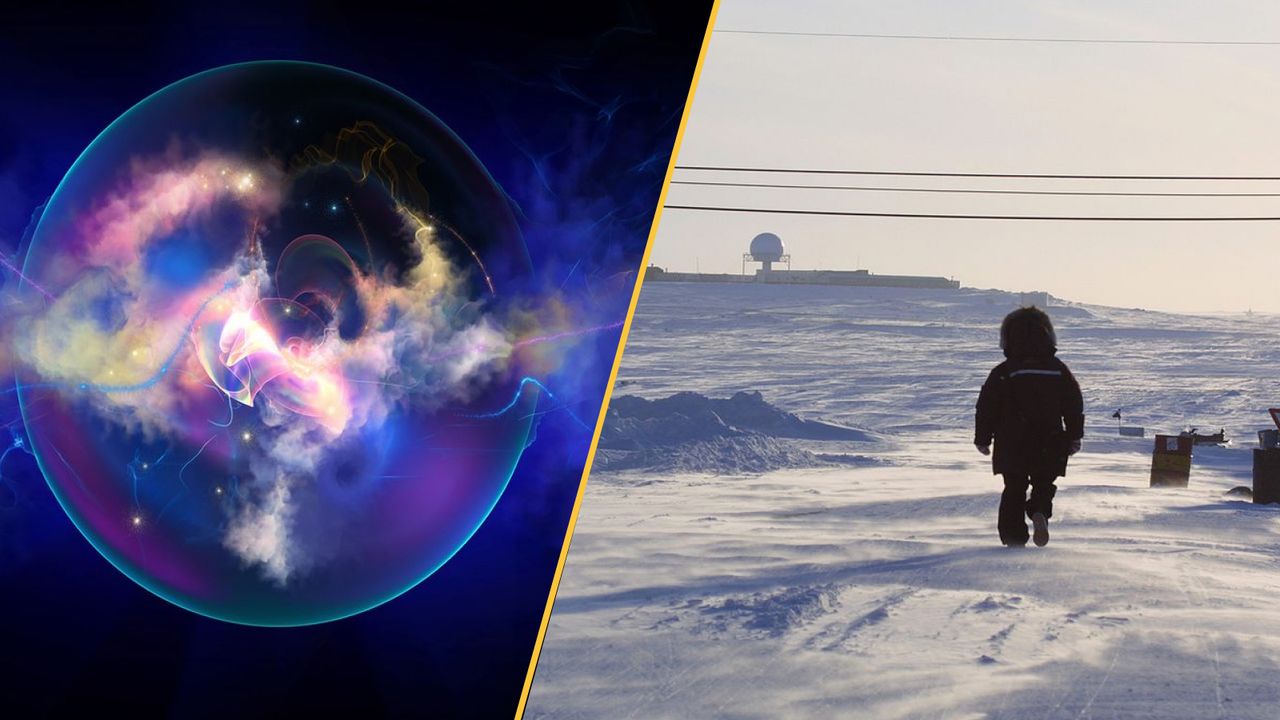
This week's science news highlights several fascinating developments across different fields. Researchers have observed the emergence of time within a simulated mini-universe, offering new insights into the fundamental nature of temporal progression. In environmental science, efforts to combat climate change have shown progress, with scientists successfully thickening Arctic ice, a crucial step in preserving polar ecosystems and mitigating sea-level rise.
Additionally, a significant archaeological discovery has been made in the United States: the unearthing of one of the oldest known graves belonging to a free Black person. This finding provides invaluable historical context and sheds light on the lives of early African Americans who were not enslaved. These diverse scientific and historical updates offer engaging content for weekend reflection.
This collection of scientific updates spans fundamental physics, environmental remediation, and historical archaeology. The observation of time's emergence in a simulated universe probes the very fabric of reality, potentially informing future cosmological models. The Arctic ice thickening initiative underscores the growing urgency and innovation in addressing climate change, highlighting the interplay between scientific intervention and ecological resilience. The discovery of an early free Black individual's grave is a critical contribution to understanding American history, offering tangible evidence of diverse societal structures and individual agency prior to widespread emancipation. These disparate advancements collectively demonstrate humanity's ongoing quest to comprehend the cosmos, safeguard the planet, and reconstruct its own past.
AI-generated to prompt reflection — not editorial opinion, not advice, not a statement of fact. How this works.