Thomas Aquinas's Views on Mitigating Pain and Sadness
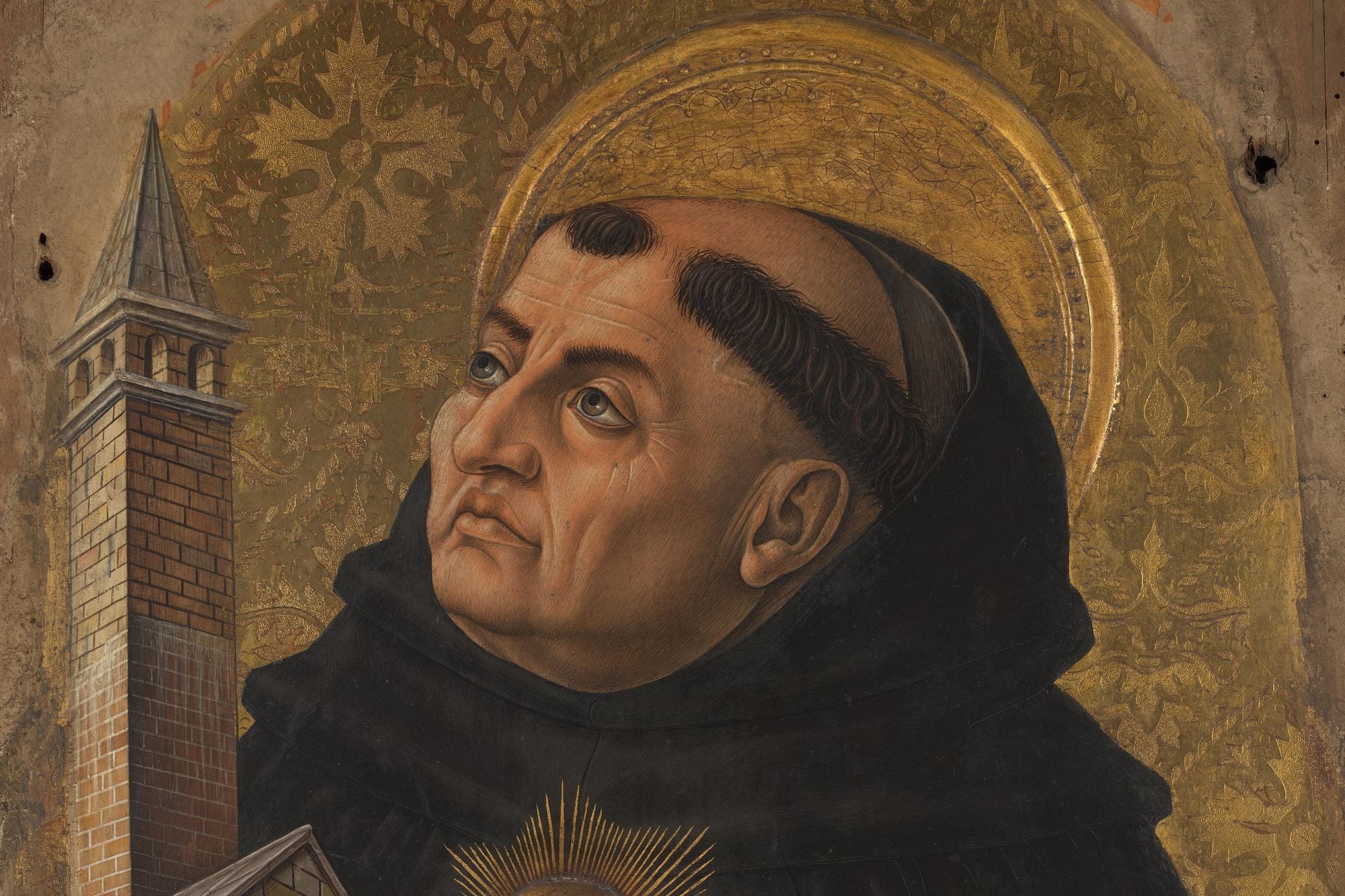
In his seminal work, the Summa Theologiae, the renowned philosopher Thomas Aquinas delved into fundamental aspects of human existence. He also provided rational arguments for the existence of God, employing a style that was both straightforward and easy to understand. Aquinas's philosophical and theological contributions continue to be studied for their insights into life's complexities. His approach in the Summa Theologiae aimed to make profound concepts accessible to a wider audience. The text is considered a cornerstone of scholastic philosophy and theology. It addresses a vast range of topics, including ethics, metaphysics, and the nature of God. Aquinas's method involved rigorous logical reasoning and systematic organization. His work remains influential in various fields of thought today. The philosopher's efforts to explain complex ideas in simple terms highlight his commitment to intellectual clarity. His legacy endures through the enduring relevance of his philosophical inquiries.
Thomas Aquinas's approach to complex philosophical and theological issues, as exemplified in the Summa Theologiae, highlights a historical method of rational inquiry aimed at demystifying profound concepts. His use of accessible language for intricate subjects demonstrates a pedagogical strategy focused on broad understanding. This method contrasts with modern academic discourse, which can sometimes become specialized and less approachable. Examining Aquinas's work through a contemporary lens reveals enduring questions about the relationship between faith, reason, and human well-being, particularly concerning emotional states like pain and sadness. His structured reasoning offers a framework for analyzing human experience that remains relevant for understanding the historical development of Western thought and its ongoing influence on ethical and philosophical debates.
AI-generated to prompt reflection — not editorial opinion, not advice, not a statement of fact. How this works.