Thomas Jefferson's Dual Legacy: Independence Declaration Amidst Slavery
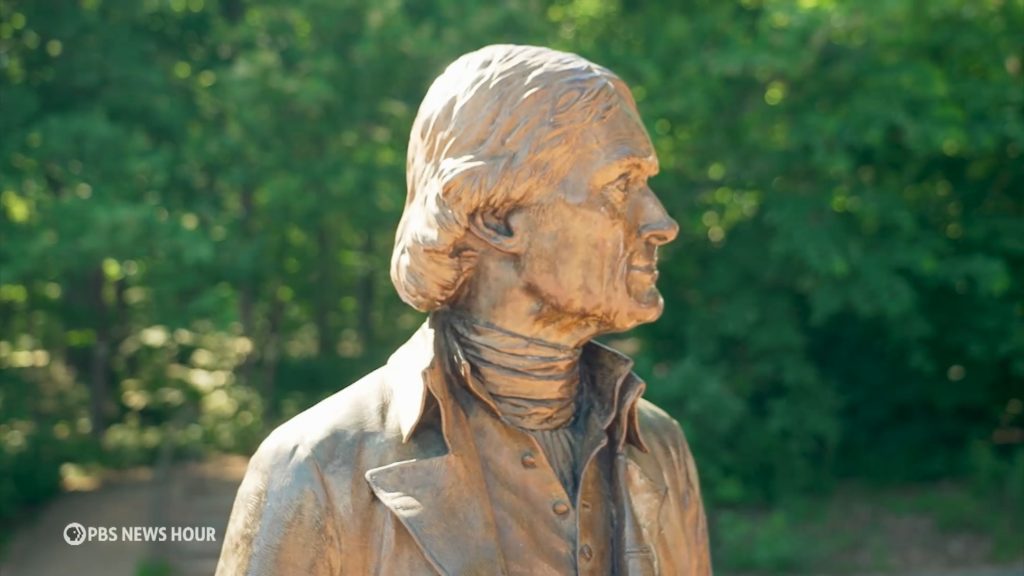
As the United States approaches its 250th anniversary, a look back at Thomas Jefferson, the principal author of the Declaration of Independence, highlights his complex legacy. This foundational document proclaimed the equality of all men, yet it was written during a time when hundreds of thousands of people were held in bondage. Judy Woodruff visited Monticello, Jefferson's estate in Virginia, to explore the contradictions inherent in his life and work, which mirrored the nation's own struggles with its ideals. This exploration is part of Woodruff's series, 'Crossroads: America at 250,' which examines pivotal moments and figures in American history as the country nears its semiquincentennial.
The enduring relevance of Thomas Jefferson's legacy, particularly his authorship of the Declaration of Independence, underscores a persistent tension in American identity: the ideal of universal equality versus the historical reality of systemic oppression. As the nation prepares for its 250th anniversary, examining figures like Jefferson prompts reflection on how founding principles are interpreted and implemented over time. This historical lens reveals the challenges of reconciling aspirational rhetoric with lived experience, a dynamic that continues to shape contemporary debates on justice and equity. Understanding these historical contradictions is crucial for navigating the complexities of national identity and progress in the coming decades.
AI-generated to prompt reflection — not editorial opinion, not advice, not a statement of fact. How this works.