Thought Extinct, Rare Frog Species Rediscovered in Argentine National Park
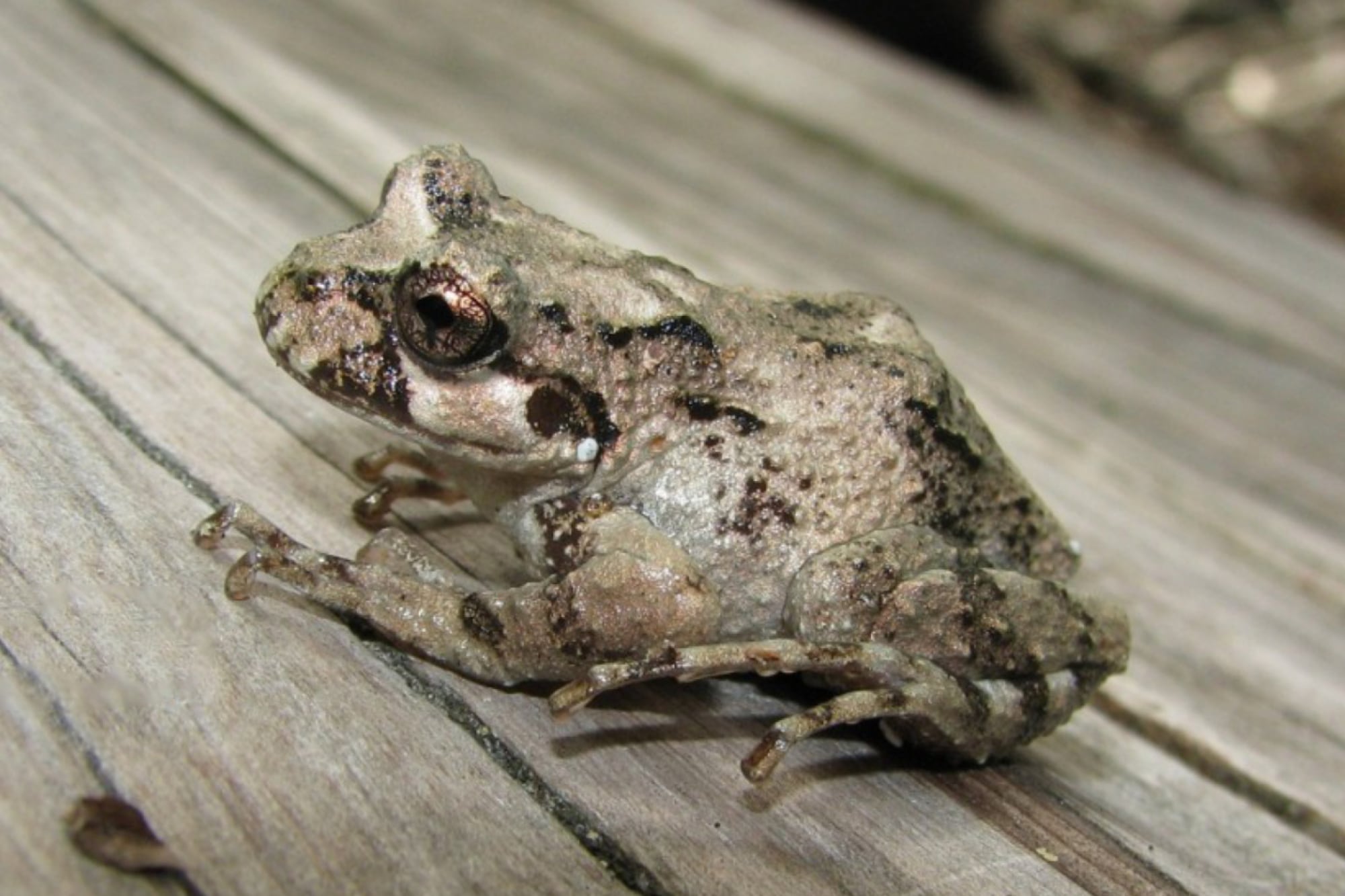
Herpetologists at Los Alerces National Park in Argentina have announced the first signs of life from a microendemic frog species previously believed to be extinct. The frog is native to Isla Grande on Lake Menéndez. This rediscovery offers a glimmer of hope for conservation efforts in the region, particularly in the face of environmental challenges like recent wildfires. The park's scientific team is working to gather more information about the species' current population status and habitat. The specific details regarding the detection methods and the exact number of individuals observed have not yet been fully disclosed. However, the initial findings are considered significant by the scientific community. Further research is planned to understand the ecological role of this unique amphibian and to ensure its long-term survival. The situation highlights the importance of protected areas like national parks in safeguarding biodiversity, even for species that have gone undetected for extended periods.
The rediscovery of this microendemic frog species in Los Alerces National Park underscores the resilience of biodiversity and the critical role of protected areas in conservation. While the presence of wildfires poses a significant threat to ecosystems, this event demonstrates that even species presumed lost can persist. Future conservation strategies may need to integrate more adaptive management techniques to account for climate change impacts and an increased frequency of environmental disturbances. The scientific community's focus will likely shift towards understanding the species' specific habitat requirements and population dynamics to implement targeted protection measures, ensuring that this rediscovery translates into sustained survival rather than a temporary reprieve.
AI-generated to prompt reflection — not editorial opinion, not advice, not a statement of fact. How this works.