Thousands evacuated from French campsites as wildfires spread
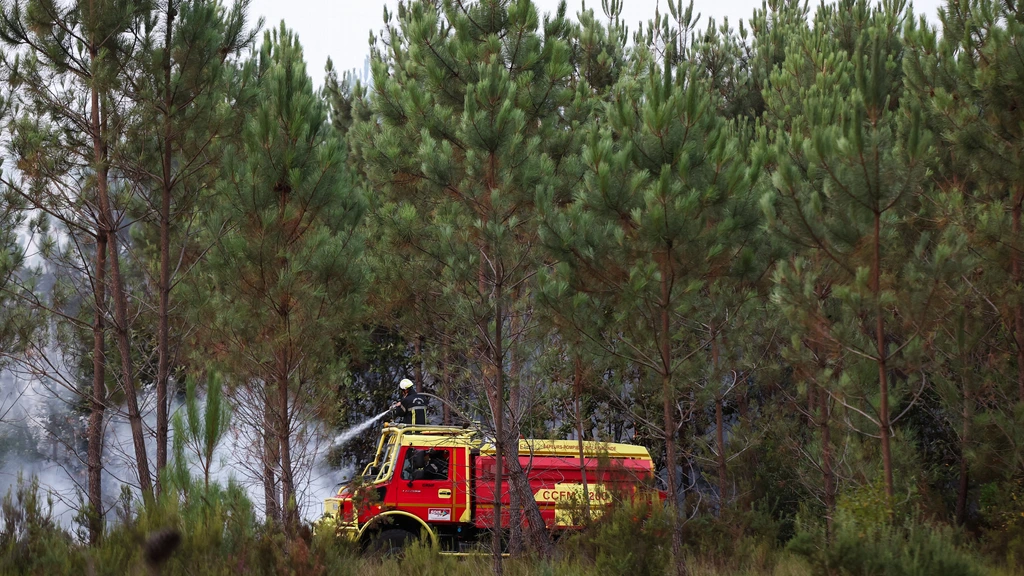
A wildfire in southwestern France has forced the evacuation of approximately 12,000 people, primarily tourists, from campsites and a naturist area near Bordeaux. The blaze, which began yesterday in Saumos, within the Gironde department near the Bassin d'Arcachon, has already consumed about 2,000 hectares. Authorities have reported no casualties, but residents from the affected region have also been displaced. Roads have been closed, and travel to areas like Saumos, Le Porge, and Lège-Cap-Ferret is strongly discouraged, with the Lège-Cap-Ferret peninsula becoming inaccessible since early this morning. Hundreds of firefighters and multiple vehicles are engaged in combating the flames. Separately, a fire in the Var department is under control but not yet extinguished, with the strong mistral wind posing a risk of reignition. Several southern French departments are under high alert for wildfires, with 'red code' warnings issued for Bouches-du-Rhône, Vaucluse, Gard, and Aude due to a "very large" risk. This year, France has already seen 44,000 hectares destroyed by wildfires, surpassing the total area burned in the entirety of the previous year.
The recurring and escalating wildfires in France, particularly in regions like Gironde and Var, highlight the increasing vulnerability of both natural landscapes and human settlements to extreme weather events. The scale of destruction, with 44,000 hectares burned this year already exceeding last year's total, underscores the systemic challenges posed by climate change and land management practices. While immediate responses focus on evacuation and firefighting, a forward-looking strategy must address the underlying drivers, including prolonged droughts, heatwaves, and potentially human activities. Future planning should integrate enhanced fire prevention measures, sustainable land use policies, and robust infrastructure designed to withstand such environmental pressures, ensuring greater resilience for tourist destinations and local communities alike in the face of a changing climate.
AI-generated to prompt reflection — not editorial opinion, not advice, not a statement of fact. How this works.