Thousands of Elderly Scammed by Fake 'Monk' Selling Bogus Cures
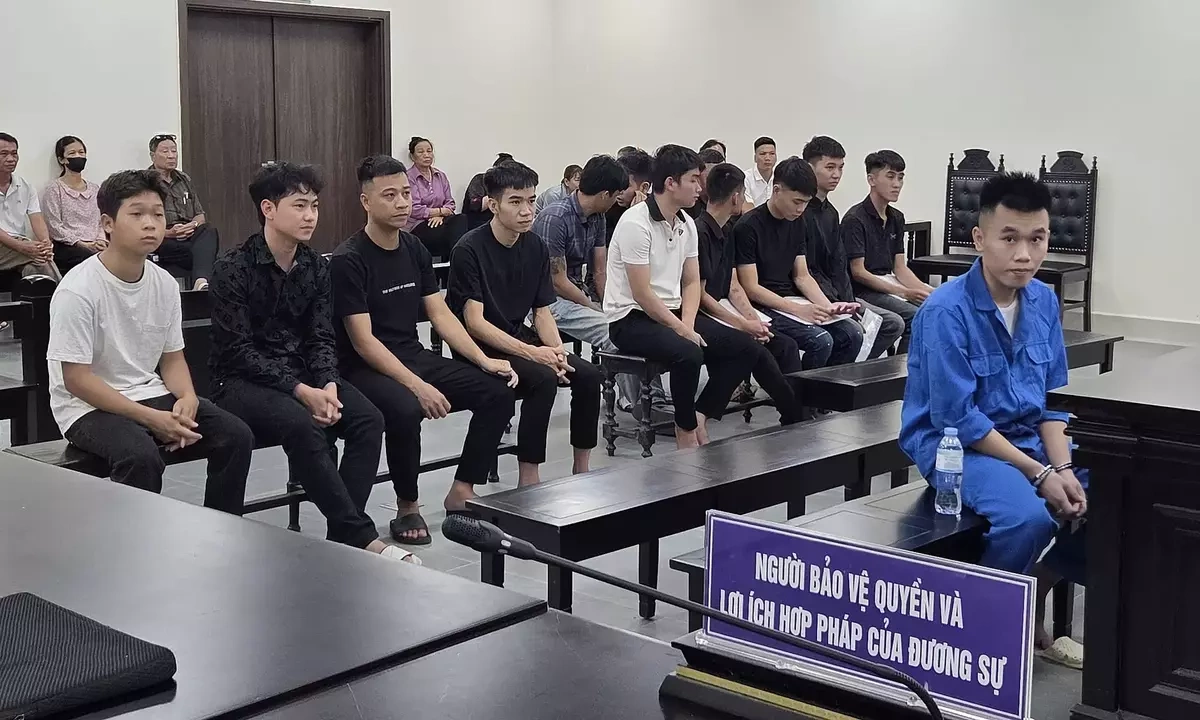
Trần Huy Hoàng and his associates have defrauded thousands of elderly individuals by selling counterfeit traditional medicines. The group allegedly purchased herbal remedies costing approximately 17,000 Vietnamese dong per package. They then repackaged these products, falsely labeling them as originating from a reputable monk. These rebranded remedies were subsequently sold to unsuspecting elderly customers for a significantly inflated price of 300,000 dong per package. This scheme preyed on the trust and vulnerability of senior citizens, exploiting their desire for health and well-being through deceptive marketing practices. The operation highlights a concerning trend of exploiting vulnerable populations for financial gain through fraudulent health products.
This incident reveals a sophisticated scam exploiting the trust placed in religious figures and preying on the health concerns of the elderly. The scheme's profitability stems from a massive markup on low-cost goods, facilitated by deceptive branding and targeting a vulnerable demographic. Such operations highlight systemic vulnerabilities in consumer protection, particularly for seniors who may be less digitally connected or more susceptible to appeals based on authority and tradition. Future regulatory efforts could focus on stricter oversight of health product marketing, enhanced consumer education campaigns targeting elder fraud, and improved enforcement mechanisms to deter such exploitative business models. The long-term societal challenge involves fostering digital literacy and critical thinking among all age groups to navigate an increasingly complex information landscape.
AI-generated to prompt reflection — not editorial opinion, not advice, not a statement of fact. How this works.