Thousands of Endangered Southern Bent-Wing Bats Vanish from Australian Maternity Site
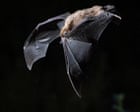
Scientists are deeply concerned by a significant and unexplained population drop of the critically endangered southern bent-wing bat. This summer, researchers recorded approximately 5,000 fewer bats than expected at a crucial maternity site located in Naracoorte's "bat cave." This represents a decline of up to 16% in the recorded population at this key location. The southern bent-wing bat, a small russet-colored microbat, typically inhabits caves and undertakes extensive foraging for insects across regions of south-west Victoria and south-east South Australia. The sudden and mysterious disappearance of such a large number of individuals from this vital breeding ground has left experts without a clear explanation. Further investigation is needed to understand the causes behind this alarming demographic shift and to implement conservation strategies.
The sudden, unexplained decline of up to 16% in the southern bent-wing bat population at a key maternity site highlights the fragility of endangered species' recovery efforts. This event underscores the critical need for robust ecological monitoring systems capable of detecting subtle environmental shifts or emerging threats. Without understanding the causal factors—whether they relate to habitat degradation, climate change impacts on insect prey, disease, or other stressors—conservation interventions risk being misdirected. Future ecological management must prioritize proactive research and adaptive strategies to safeguard vulnerable populations against unforeseen environmental pressures, especially in the context of accelerating climate change and habitat fragmentation.
AI-generated to prompt reflection — not editorial opinion, not advice, not a statement of fact. How this works.