Thousands of Lightning Strikes Ignite New Wildfires Across Western Canada
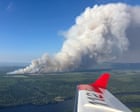
Western Canada is grappling with a severe wildfire season, exacerbated by nearly 34,000 lightning strikes over the past week. These strikes have ignited numerous new fires, particularly in British Columbia, where 90 active blazes were reported as of Friday morning. The province had also issued 25 evacuation orders due to the escalating danger. Authorities warn that continuing warm and dry conditions are likely to fuel further growth of these wildfires. Prime Minister Mark Carney has described this period as one of the most intense wildfire seasons on record for Canada. The situation in Ontario also remains critical, with forests continuing to burn in that province as well. The combination of extreme weather and dry vegetation creates a volatile environment, posing significant risks to communities and ecosystems.
The recent surge in wildfires across western Canada, directly linked to a high volume of lightning strikes, highlights the increasing vulnerability of forest ecosystems to extreme weather events. This pattern underscores the critical need for robust fire management strategies that account for climate change-induced shifts in weather patterns, leading to drier conditions and more frequent extreme events. The scale of the current season, described as one of the most intense on record, suggests a systemic challenge that requires long-term investment in prevention, early detection, and response capabilities. Future planning must consider the interplay between natural ignition sources, such as lightning, and environmental conditions that promote rapid fire spread, necessitating a multi-faceted approach involving land management, community preparedness, and potentially technological advancements in fire suppression and monitoring.
AI-generated to prompt reflection — not editorial opinion, not advice, not a statement of fact. How this works.