Thousands of Migrants Arrive in Spanish Enclave Ceuta, Prompting Military Deployment
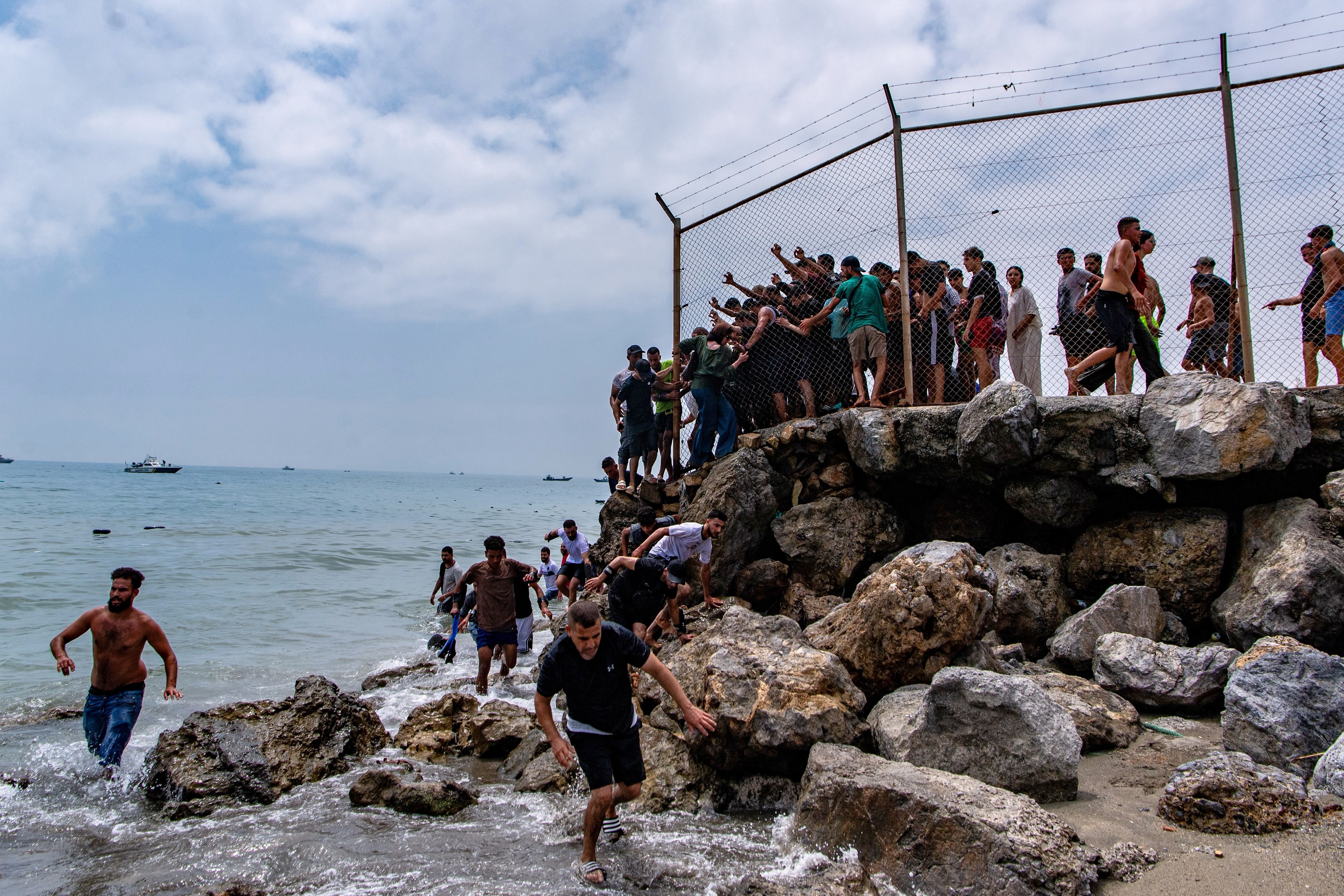
A significant migration crisis unfolded in the Spanish city of Ceuta, an autonomous territory located in North Africa, this week, with thousands of individuals crossing the border from Morocco. The majority of the arrivals, primarily young Moroccans but also including families and children, entered Ceuta by sea, swimming or navigating coastal barriers, while others crossed by land. Spanish authorities reported that over 49,000 migrants entered Ceuta within a 24-hour period, overwhelming existing reception centers. Tragically, at least 24 people died during the perilous journey, with their bodies recovered by Spanish security forces. The Spanish government responded by deploying military units to reinforce border security and support overwhelmed police forces. Prime Minister Pedro Sánchez visited Ceuta to address the situation and pledged increased cooperation with Morocco to control the border and expedite migrant returns where legally permissible. The European Union expressed support for Spain and is considering enhanced cooperation through Frontex, the EU's border control agency. This influx echoes a similar crisis in May 2021, which coincided with a diplomatic dispute between Spain and Morocco over the reception of the Western Sahara independence movement leader. The exact triggers for this latest migration wave are under investigation, though Spanish officials suspect organized crime networks may be involved, potentially exploiting changes in immediate return policies for intercepted migrants. There is no indication of Moroccan government involvement. Migrants arriving in Ceuta will be processed, with applications for international protection evaluated and others subject to return to Morocco based on bilateral agreements and legal decisions.
The influx of thousands of migrants into Ceuta highlights the persistent challenges of irregular migration at the EU's external borders, particularly concerning the complex geopolitical relationship between Spain and Morocco. The event underscores the strain on border management systems and the humanitarian consequences of dangerous sea crossings. From a systemic perspective, the situation reflects the enduring push factors driving migration from North Africa and the inherent difficulties in balancing border control with humanitarian obligations. Future policy considerations may involve reassessing cooperation frameworks with origin and transit countries, exploring more effective and humane reception and processing mechanisms, and addressing the root causes of migration. The incident also raises questions about the efficacy of current EU border security strategies and the need for a more comprehensive approach to migration governance that accounts for both security imperatives and human rights.
AI-generated to prompt reflection — not editorial opinion, not advice, not a statement of fact. How this works.