Thousands of Migrants Cross into Spain's Ceuta, Sparking Major Border Crisis
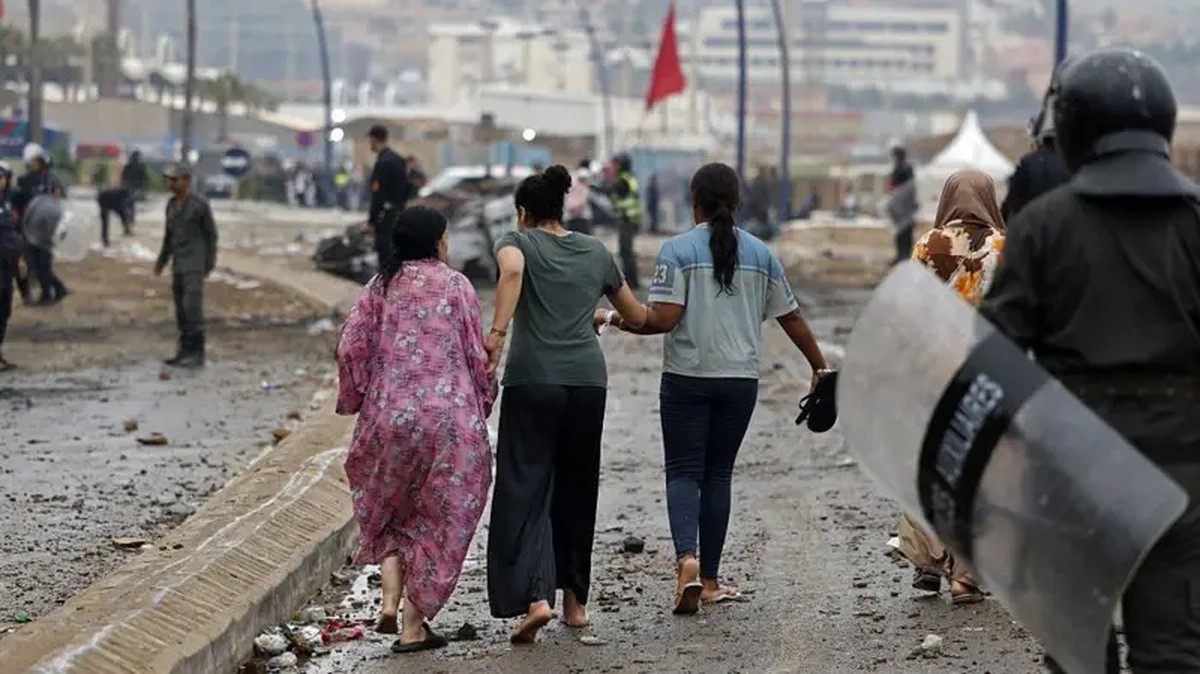
A severe migration crisis unfolded as thousands of individuals, primarily young men, crossed the border from Morocco into Spain's North African enclave of Ceuta. In a 24-hour period, approximately 60,000 people reportedly swam or climbed fences to reach Spanish territory, marking one of the worst such events in the European Union in recent years. While many later returned voluntarily, the situation left Ceuta, a city of just over 80,000, overwhelmed, with closed businesses, strained health services, and a significant military and police presence attempting to manage social tensions. Migrants described a desperate scene, with some warning others not to attempt the perilous journey due to dangerous conditions and deaths, with at least 57 people reported to have drowned. The sudden influx overwhelmed local resources, and images depicted hundreds of people gathered on rocks and amidst Spanish military personnel. Spanish Prime Minister Pedro Sánchez attributed the crisis to "mafias that traffic people." Moroccan authorities reinforced border security, using water cannons to deter those still attempting to cross, leading to confrontations and property damage on the Moroccan side. Some individuals found themselves stranded, unable to return home or cross with their families, highlighting the profound personal desperation involved.
This event highlights the persistent pressure on Europe's external borders, driven by complex socio-economic factors in North Africa and the enduring aspiration for better opportunities in Europe. The crisis underscores the limitations of physical barriers in deterring determined migration flows and the significant humanitarian challenges that arise when large numbers of people arrive unexpectedly. The involvement of human trafficking networks complicates the situation, suggesting that addressing the root causes of migration and fostering regional stability are crucial for long-term solutions. Future policy responses will likely grapple with balancing border security imperatives with humanitarian obligations, and the role of international cooperation in managing such flows will remain paramount.
AI-generated to prompt reflection — not editorial opinion, not advice, not a statement of fact. How this works.