Thousands of migrants entered Ceuta from Morocco, only to quickly depart
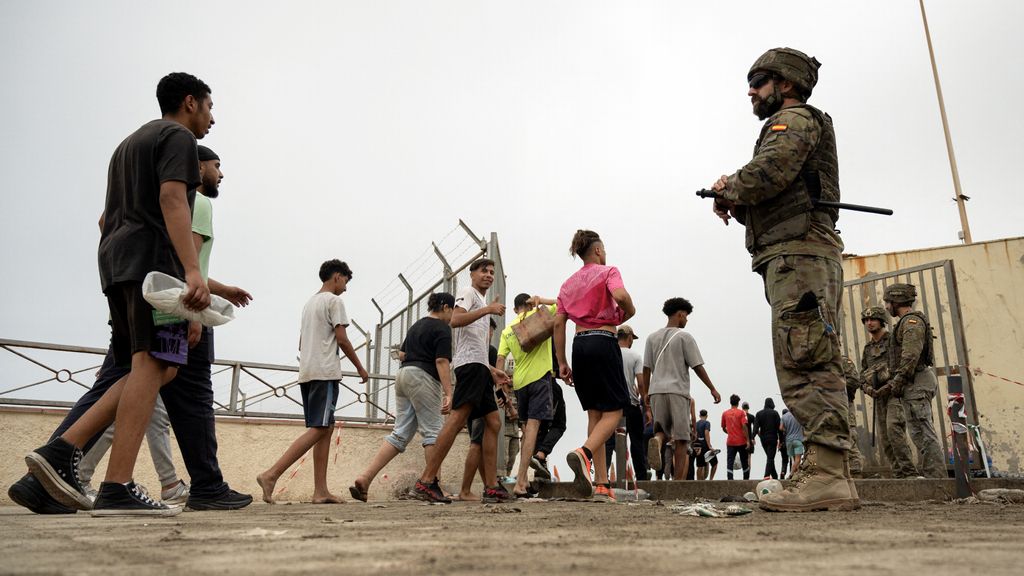
In recent days, Spain reported that approximately 50,000 migrants entered the Spanish exclave of Ceuta from Morocco. However, the majority departed just as rapidly as they arrived. Thousands of individuals, primarily young men, crossed into the Spanish autonomous city by swimming, using boats, or scaling fences, many originating from Fnideq, Morocco.
During this mass influx, 57 migrants reportedly died, some from drowning and others from injuries sustained in stampedes while attempting to climb a pier. Upon arrival, many migrants expressed disappointment, having been promised shelter and visas to travel to mainland Spain, only to find a lack of resources and mistreatment by authorities. Some described escalating prices and shop closures in Ceuta, which they perceived as a pressure tactic by the Spanish government. Many admitted to crossing without a clear plan, influenced by social media reports of a Spanish court ruling that prevented the summary return of migrants attempting to reach Ceuta by sea or swimming.
Spain deployed nearly 350 police officers and military personnel to manage the situation. By early evening, the Spanish Ministry of the Interior stated that 48,300 migrants had voluntarily returned to Morocco, with some swimming back and others using facilitated exit points. European nations have reacted strongly, with the Netherlands urging Spain to take immediate measures to close its borders. Italy announced the suspension of the Schengen free travel agreement with Spain and increased border controls. Germany extended its border checks, and France significantly increased its border police presence. EU ambassadors are scheduled to hold an emergency meeting to address the crisis.
The rapid influx and subsequent departure of thousands of migrants to Ceuta highlight the complex interplay of push factors in their countries of origin and the perceived, often illusory, opportunities in destination countries. The event underscores the challenges of border management for enclaves like Ceuta, situated between Africa and Europe. The swift reaction from various European nations, including the suspension of Schengen travel by Italy and increased border controls by Germany and France, indicates a heightened concern over irregular migration and its potential impact on internal EU security and free movement. This situation prompts reflection on the effectiveness of current migration policies, the role of information dissemination on social media in influencing migration decisions, and the need for coordinated, long-term strategies to address the root causes of migration and ensure humane treatment of asylum seekers and migrants.
AI-generated to prompt reflection — not editorial opinion, not advice, not a statement of fact. How this works.