Thousands of 'nuisance trees' to be planted despite millions spent fighting them
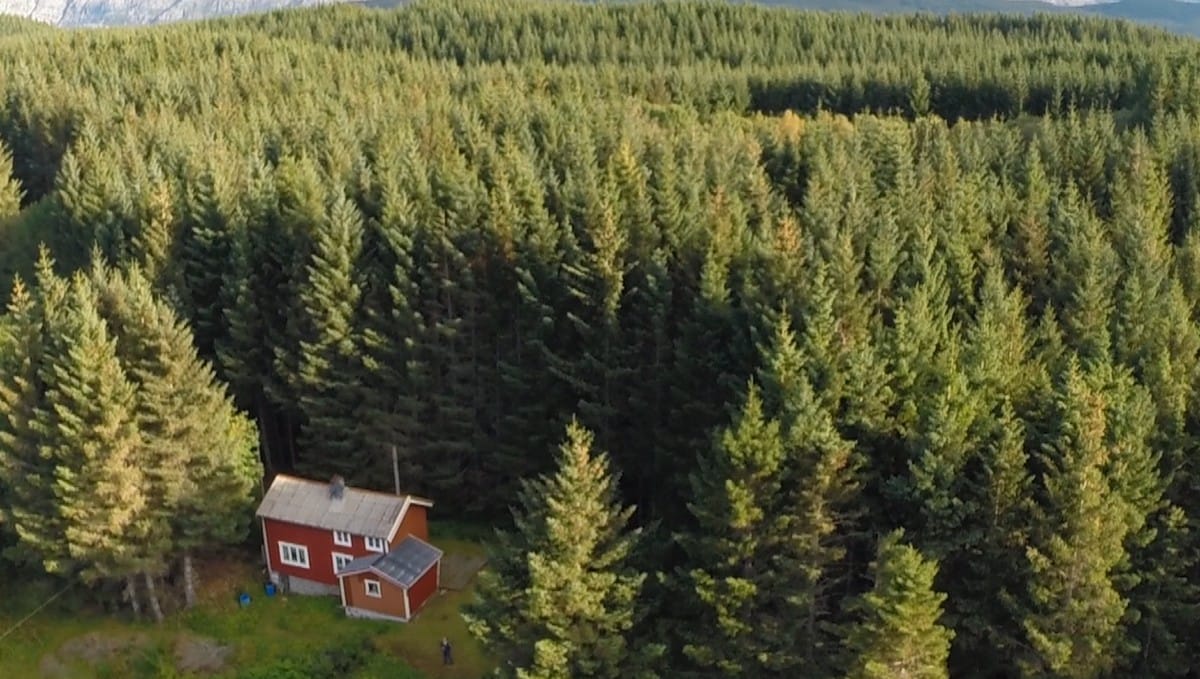
While millions of kroner are being spent to combat Sitka spruce in some parts of Norway, authorities are permitting the planting of thousands of new trees of the same species elsewhere. This decision has been met with shock, as the invasive Sitka spruce is considered a "nuisance tree" in many regions due to its rapid growth and ability to outcompete native flora. The conflicting approaches highlight a significant disconnect in environmental management strategies across the country. Efforts to eradicate Sitka spruce often involve substantial financial investment and labor, aimed at restoring natural habitats and preserving biodiversity. The approval of new plantings raises questions about the long-term ecological goals and the efficient allocation of public funds. Critics argue that this policy sends a contradictory message regarding conservation efforts and could undermine progress made in controlling the spread of invasive species. The situation underscores the challenges of implementing consistent environmental policies nationwide, particularly when dealing with species that have both economic uses and ecological drawbacks.
The divergent policies regarding Sitka spruce planting and eradication present a case study in the complexities of environmental management and resource allocation. While millions are invested in combating the species in some areas, its propagation is permitted in others, suggesting potential conflicts between regional economic interests, ecological restoration goals, and national biodiversity targets. This apparent contradiction warrants an examination of the decision-making frameworks and the criteria used to permit or prohibit such plantings. Understanding the specific economic drivers, land-use policies, and ecological assessments informing these opposing strategies will be crucial for developing more cohesive and effective long-term environmental stewardship. The situation prompts consideration of whether a more unified national strategy, informed by comprehensive ecological impact assessments and economic analyses, could optimize resource utilization and achieve more consistent conservation outcomes.
AI-generated to prompt reflection — not editorial opinion, not advice, not a statement of fact. How this works.