Thousands Still Without Power Four Days After Rio de Janeiro Storm
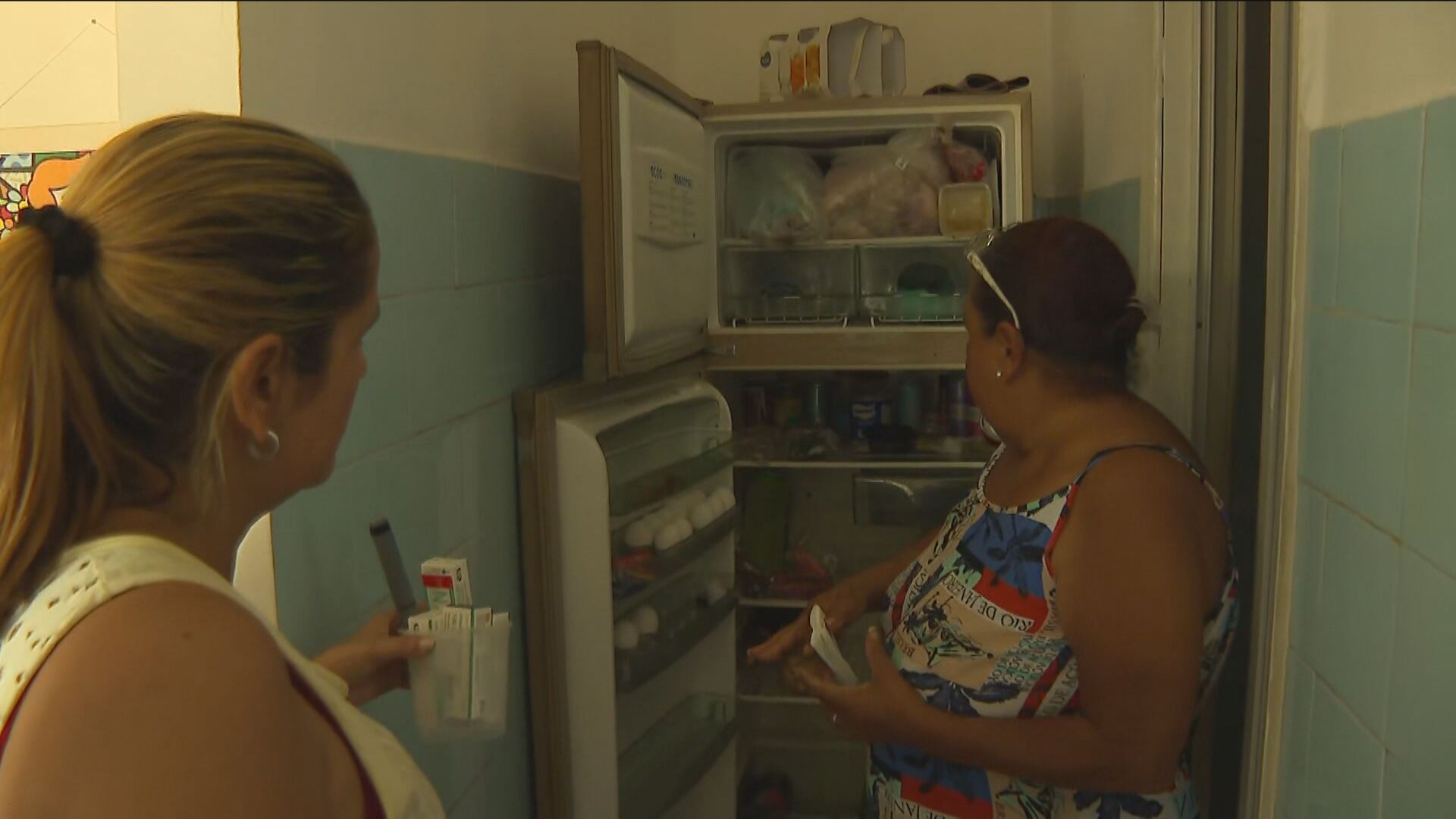
Approximately 4,000 customers of the energy company Light in the Metropolitan Region of Rio de Janeiro remained without electricity on Saturday, October 1st, four days after a severe storm caused widespread power outages. The West Zone of the capital is the most affected area, with residents in Bangu protesting the prolonged service interruption by blocking streets. In some parts of the neighborhood, power lines have been down since Wednesday, September 30th, when the storm hit. Residents are facing significant difficulties, including the inability to use essential electric medical equipment. For instance, one retiree caring for her 74-year-old sister, who relies on an electric hospital bed, described the hardship in performing basic care tasks. The power outages have also led to substantial financial losses for residents. A diabetic pensioner reported losing all her refrigerated insulin, while another retiree discarded spoiled medications and food, including insulin, eye drops, chicken, and meat. Local businesses have also suffered, with one snack company owner losing nearly her entire inventory and having to refund customers, highlighting the disbelief among some clients that the area was still without power. Similar situations are reported in Campo Grande, another West Zone neighborhood, where downed power lines remain on the ground more than 72 hours after the storm. In response to the ongoing crisis, the Public Defender's Office of the State of Rio de Janeiro filed a lawsuit against Light, seeking information on their contingency plan and restoration timeline, which they deemed unsatisfactory. The lawsuit also points out the disruption of essential services like water supply and requests court-ordered action and compensation for collective moral damages. Light stated that power has been restored to approximately 1.1 million affected customers, and efforts are underway to restore service to the remaining 4,000. The company claims to have prioritized critical facilities like hospitals and public safety units, and that their contingency plan was executed within the expected timeframe for such an event, with final restoration efforts ongoing.
The prolonged power outage affecting thousands of residents in Rio de Janeiro four days after a storm highlights critical infrastructure resilience challenges. While the energy company Light reports restoring service to a vast majority of affected customers, the persistent outages for a significant minority underscore potential systemic issues in emergency response and repair prioritization. The legal action by the Public Defender's Office points to a governance gap, suggesting that Light's contingency planning and communication may not adequately address the impact on essential services and residents' well-being. Looking ahead, the increasing frequency and intensity of extreme weather events, potentially exacerbated by climate change, necessitate a re-evaluation of utility infrastructure hardening and rapid restoration protocols. Future-proofing such systems will require not only technological upgrades but also more robust regulatory oversight and transparent performance metrics that prioritize public safety and economic stability over mere operational timelines.
AI-generated to prompt reflection — not editorial opinion, not advice, not a statement of fact. How this works.