Thousands Stranded as Forest Fires Disrupt France's Busiest High-Speed Rail Line
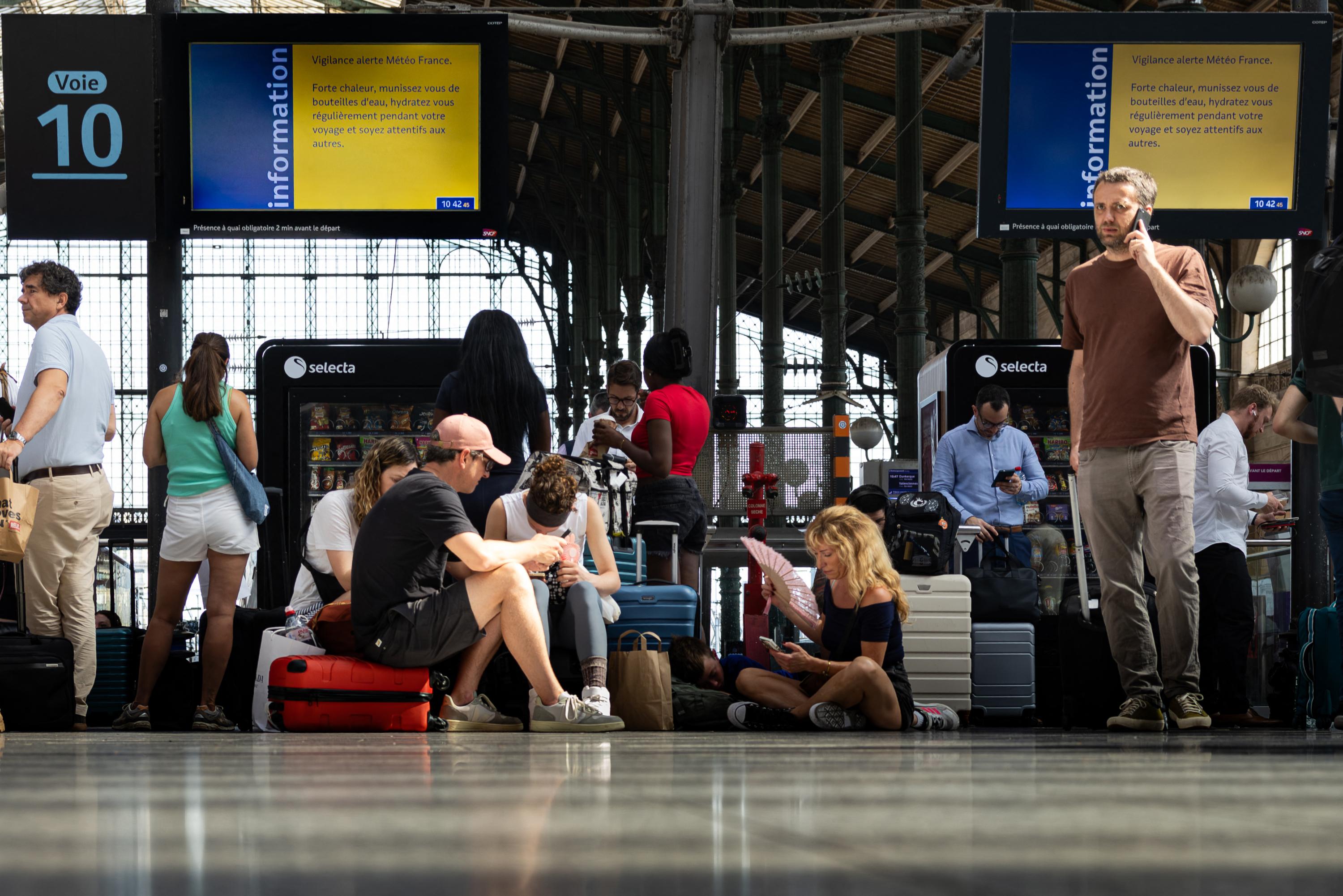
Thousands of travelers experienced a prolonged ordeal as forest fires disrupted service on France's busiest high-speed rail line, the LGV Sud-Est. A fire in the Fontainebleau forest and another incident near Sens were responsible for paralyzing the crucial railway axis. The disruptions occurred at the end of a weekend, causing immense difficulties for many passengers. Services were significantly impacted, leading to extensive delays and cancellations. The situation highlighted the vulnerability of critical infrastructure to environmental events. Passengers reported feeling trapped and uncertain about when normal operations would resume. The prolonged nature of the disruption meant that many travelers faced significant inconvenience and potential missed commitments. The incident underscores the importance of robust contingency planning for such unforeseen events affecting major transportation networks.
The disruption on the LGV Sud-Est, a critical artery for French transportation, illustrates the systemic risks posed by environmental factors to high-density infrastructure. The interdependence of transportation networks and natural environments necessitates a forward-looking approach to risk management. Future planning must integrate climate resilience strategies, considering the increasing frequency and intensity of such events. This incident prompts consideration of alternative routing, enhanced fire prevention measures along rail corridors, and improved real-time communication protocols for passengers during widespread disruptions. The economic and social impact of such stoppages underscores the need for proactive investment in infrastructure robustness to mitigate future cascading failures.
AI-generated to prompt reflection — not editorial opinion, not advice, not a statement of fact. How this works.