Three Acquitted in Case of Northern Irish Journalist Lyra McKee's Death
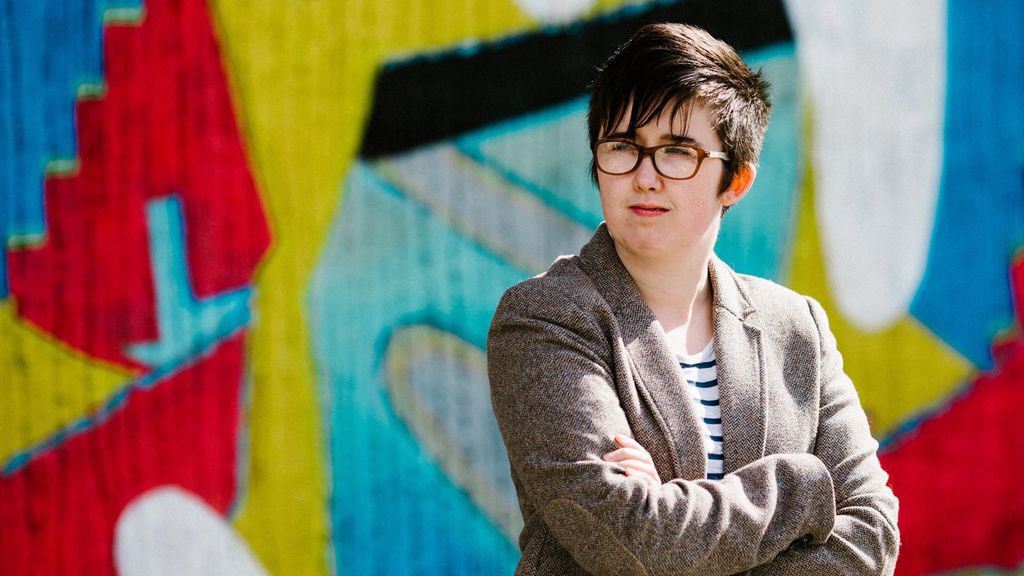
Three men suspected of involvement in the murder of Northern Irish journalist Lyra McKee have been acquitted, leaving no one convicted seven years after her death. McKee, 29, was fatally shot by a masked gunman on April 18, 2019, while filming riots in the Creggan area of Londonderry. She was standing near a police vehicle at the time of the incident. The paramilitary group New IRA claimed responsibility for her killing. McKee was recognized as a promising journalist who articulated the sentiments of a generation that grew up in peace following the 1998 Good Friday Agreement, which ended decades of sectarian violence known as The Troubles. The three men on trial were not accused of firing the fatal shot but of accompanying, encouraging, or assisting the shooter. The defense successfully argued that the evidence was flimsy and speculative, leading the judge to dismiss the charges. This case, which began in May 2024 and concluded recently, was heard without a jury, a common practice in Northern Ireland, and is considered one of the longest-running trials in recent history. The verdict has been described as a "total shock" and a profound disappointment by McKee's sister, Nichola Corner, who stated that the system has failed Lyra, her family, and Northern Ireland. Corner lamented a "culture of silence," noting that over 150 witnesses have not provided testimony. The judge acknowledged the lack of solace the verdict might bring to the family, recognizing McKee's murder as an "act of senseless violence" and noting that the actual shooter has yet to be brought to justice. In total, nine men faced charges related to the incident, including rioting, but none have been convicted.
The acquittal of three men in the Lyra McKee case highlights the challenges in prosecuting individuals involved in politically motivated violence, particularly when direct evidence linking them to the fatal act is scarce. The outcome underscores the critical importance of robust evidence in legal proceedings and the potential for lengthy trials to yield inconclusive results, even in high-profile cases. This situation may reinforce a culture of silence among witnesses, driven by fear or a lack of faith in the justice system's ability to deliver accountability. Moving forward, authorities face the dual challenge of addressing the systemic issues that enable such violence and finding effective legal strategies to ensure justice for victims and their families, while also rebuilding public trust. The prolonged absence of a conviction for the shooter, seven years on, raises questions about the efficacy of investigative and prosecutorial frameworks in Northern Ireland concerning paramilitary activity and the broader societal implications for reconciliation.
AI-generated to prompt reflection — not editorial opinion, not advice, not a statement of fact. How this works.