Three Arrested for Alleged Bingo Fraud at Church Festival in Guatapará, SP
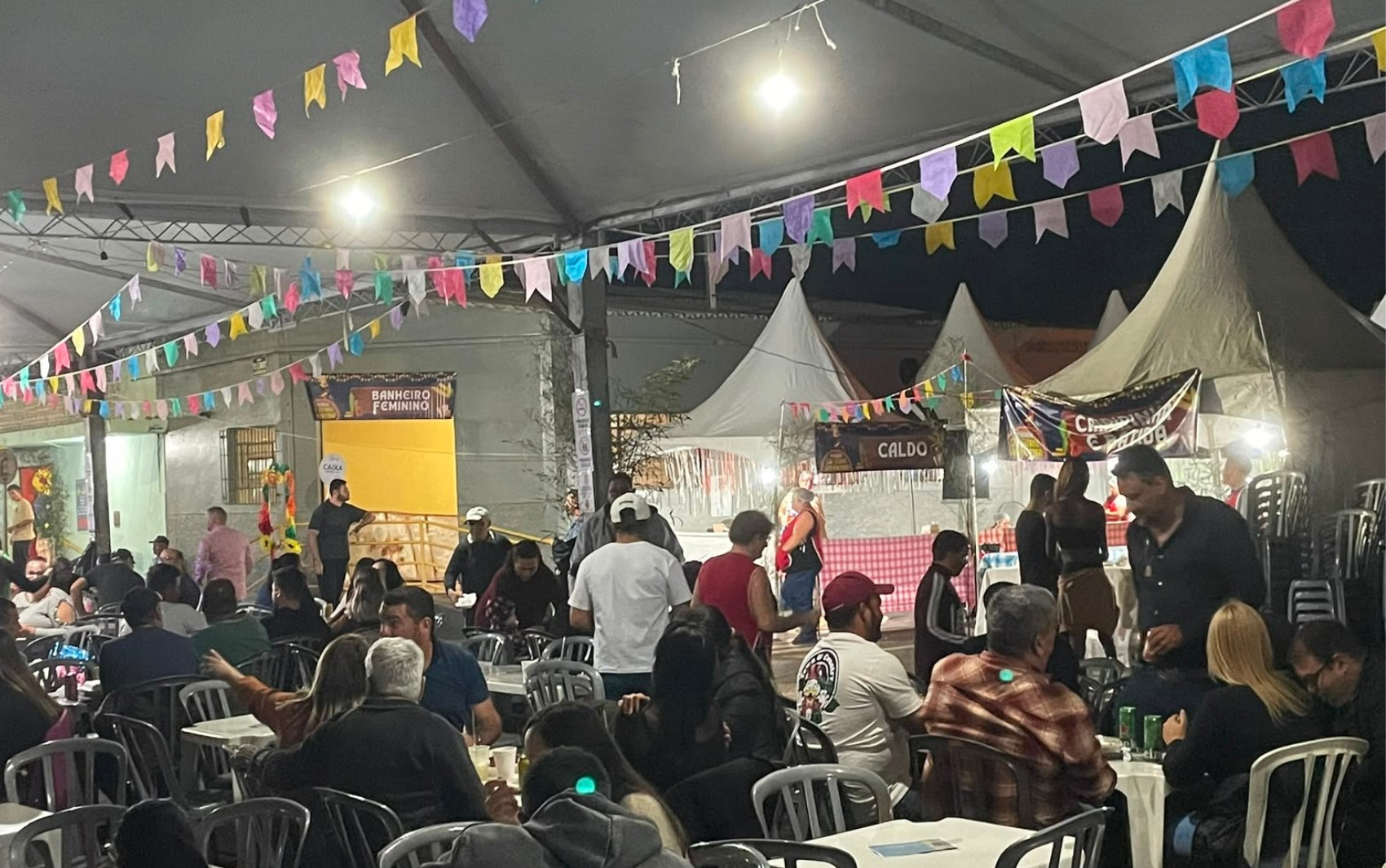
Three individuals were arrested on suspicion of attempting to defraud a church bingo event in Guatapará, São Paulo, for a prize of R$ 3,000. Vinicius Stoque, the coordinator of the Quermesse da Paróquia São Pedro e São Martinho, became suspicious when three people simultaneously claimed to be the winner. His suspicions were further raised by the condition of the presented bingo card, which featured crooked numbers, thin and worn paper, and excessive marking that blurred the numbers. The incident occurred early Sunday morning, May 28th. The arrested individuals, identified as Wellington Cristian de Souza, 32, Emerson Claiton Pereira, 50, and Liliane Aparecida Urbani, 45, were detained but later released under provisional liberty after a custody hearing on May 29th. They face charges of fraud and criminal organization. The court has authorized the seizure of their phones and the investigation into their telecommunication records. The suspects deny the fraud allegations, with Souza claiming he was scared and fled due to being pursued, while Pereira and Urbani stated they were mistaken for another person who fled the scene. Stoque also noted that the alleged winners claimed to be locals but were not recognized in the small town of Guatapará, which has a population of 7,300. The prize money was not awarded at the time, and a new bingo draw was conducted on Sunday, May 29th, with replaced cards, to ensure fairness. The church event is described as a charitable fundraiser, with community involvement and volunteer work.
This incident highlights vulnerabilities in event management and crowd control, particularly in community-based fundraising events. The organizers' vigilance and adherence to established procedures, such as verifying participant identity and scrutinizing game materials, were crucial in preventing the alleged fraud. The legal process, including arrest, provisional release, and authorization for data seizure, reflects standard responses to such allegations. Moving forward, event organizers might consider implementing more robust verification systems for prize claims and enhancing security protocols to deter similar attempts. The case also underscores the importance of community trust in charitable endeavors and the potential impact on donor confidence when such events are marred by allegations of dishonesty. Future considerations could include diversifying prize structures or implementing digital verification methods to streamline the process and reduce opportunities for manipulation.
AI-generated to prompt reflection — not editorial opinion, not advice, not a statement of fact. How this works.