Three Buses Used as Barricades in Rio de Janeiro's Southwest Zone
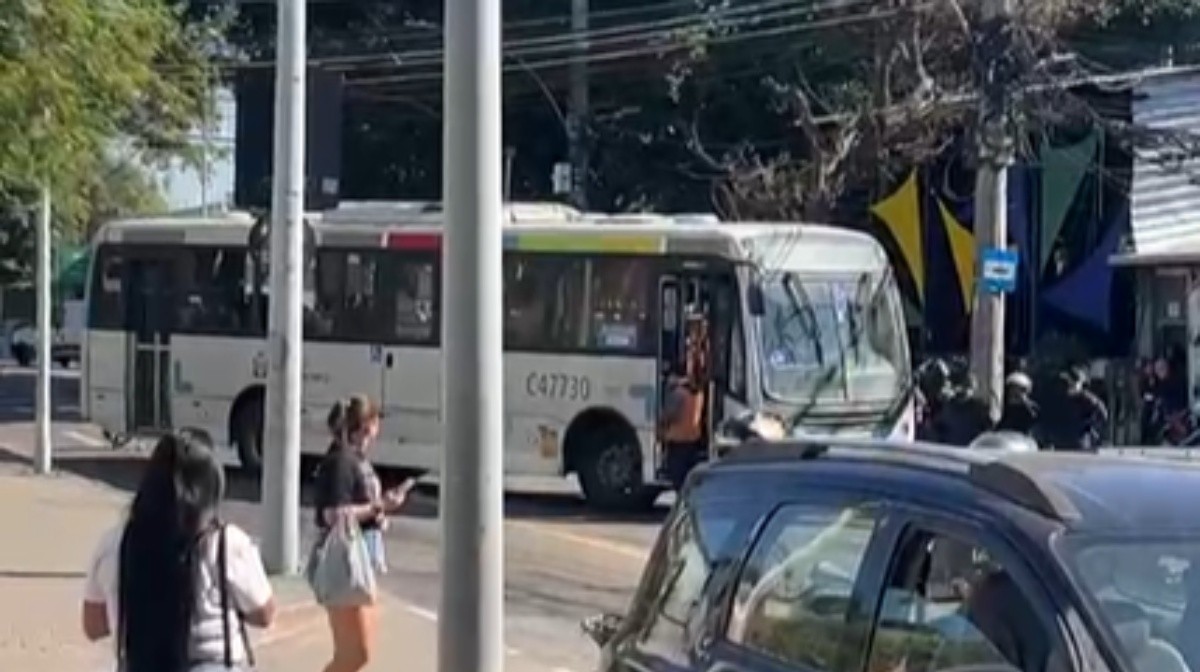
On Thursday morning, May 16th, three buses were utilized as barricades on roads in the Southwest Zone of Rio de Janeiro, as reported by Rio Ônibus. The buses had their keys removed before being positioned across Estrada do Engenho D’Água in Anil and Avenida Tenente-Coronel Muniz de Aragão near Praça da Gardênia Azul. In addition to the vehicles, burning barricades were also placed on the area's roadways. Consequently, ten bus lines were forced to reroute their services. These lines include 368 (Riocentro x Candelária), 829 (Gardênia Azul x Freguesia), 861 (Rio das Pedras x Curicica), 862 (Rio das Pedras x Barra da Tijuca), 863 (Rio das Pedras x Barra da Tijuca), SV863 (Rio das Pedras x Barra da Tijuca), 880 (Rio das Pedras x Terminal Alvorada), 932 (Gardênia Azul x Tanque), 987 (Gardênia Azul x Pechincha), and 2110 (Gardênia Azul x Castelo). Rio Ônibus identified the buses used in the barricades as belonging to lines 353 (Gardênia Azul x Terminal Gentileza), 862 (Rio das Pedras x Barra da Tijuca), and 880 (Rio das Pedras x Terminal Alvorada). As of the latest update, information regarding the clearing of the roads or the resumption of normal bus service was unavailable.
The use of public transportation as barricades, accompanied by burning obstructions, represents a disruptive tactic aimed at impeding traffic and potentially signaling public discontent or organized action. Such events highlight vulnerabilities in urban infrastructure and public safety management, particularly concerning the rapid deployment of resources to clear blockades and restore essential services. The disruption to ten bus lines directly impacts thousands of commuters, underscoring the interconnectedness of urban mobility systems and the cascading effects of localized incidents. Future urban planning and emergency response protocols may need to consider scenarios involving the deliberate repurposing of public assets for obstruction, necessitating strategies for rapid containment and service restoration to mitigate widespread inconvenience and potential escalation.
AI-generated to prompt reflection — not editorial opinion, not advice, not a statement of fact. How this works.