Three Dead, Two Injured in Head-On Collision on BR-463 Highway in Ponta Porã, Brazil
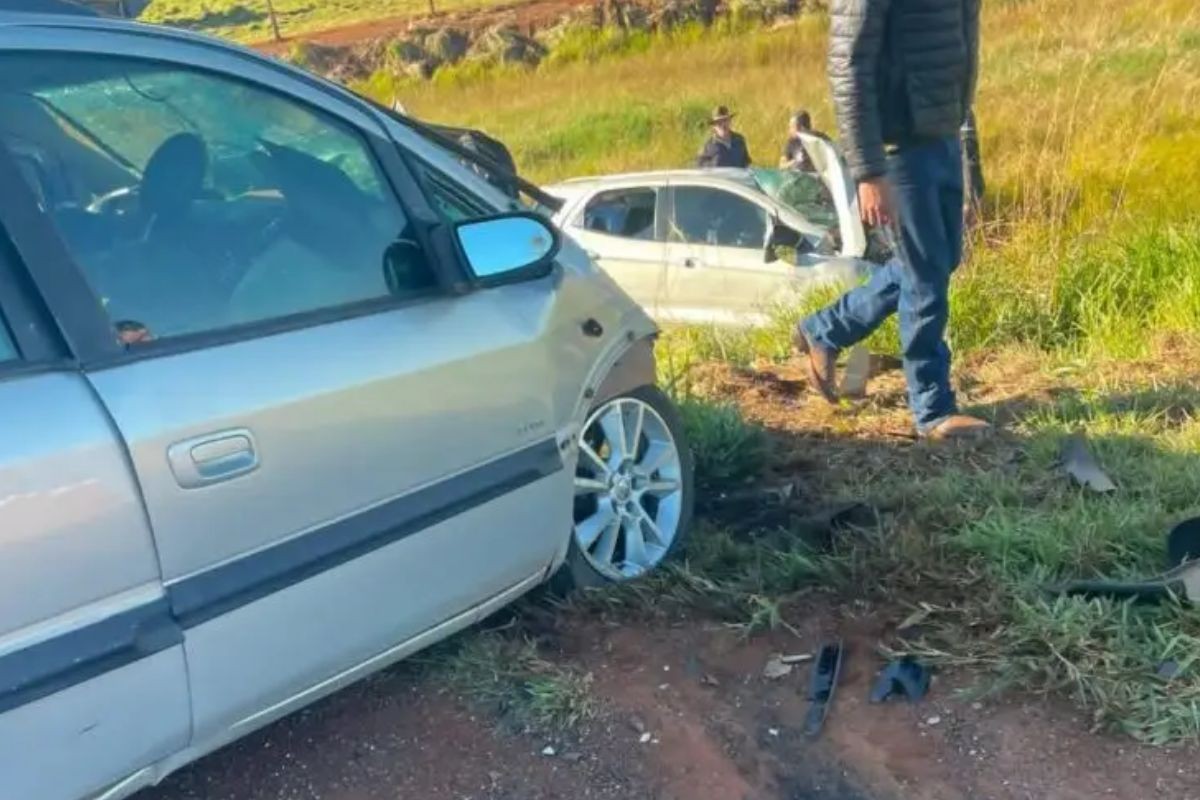
A head-on collision between two vehicles on the BR-463 highway in Ponta Porã, Mato Grosso do Sul, Brazil, resulted in three fatalities and two injuries on Saturday morning, June 4th. The accident occurred around 8 AM at kilometer 80 of the highway. The identities of the three deceased individuals have not yet been released by the Federal Highway Police (PRF). Among the injured were an infant and one of the drivers, both of whom received medical attention and were transported to the Ponta Porã Regional Hospital. Their current health status remains undisclosed. The impact of the collision caused some victims to become trapped in the wreckage. One car remained on the highway, while the other veered off into a wooded area adjacent to the BR-463. Authorities, including the PRF, Fire Department, Civil Police, and the Institute of Legal Medicine (IML), were present at the scene to conduct investigations and recover the bodies. Traffic on the affected stretch of the highway has since been reopened, though congestion persists, and drivers are advised to exercise caution. The PRF is investigating the causes of the crash.
This tragic incident highlights the persistent challenges in road safety, particularly on highways like the BR-463. The investigation into the causes of the head-on collision will be crucial in identifying contributing factors, whether they relate to driver error, vehicle condition, road infrastructure, or external elements. Understanding these dynamics can inform future interventions aimed at reducing the frequency and severity of such accidents. The prompt response from emergency services and law enforcement is commendable, but the event underscores the need for continuous evaluation of traffic management strategies and public awareness campaigns to mitigate risks on Brazil's extensive road network. Looking ahead, advancements in vehicle safety technology and intelligent transportation systems could offer long-term solutions, but immediate focus must remain on enforcing traffic laws and improving road conditions.
AI-generated to prompt reflection — not editorial opinion, not advice, not a statement of fact. How this works.