Three indicted in Roraima for siphoning school transport fuel, causing R$51,000 loss
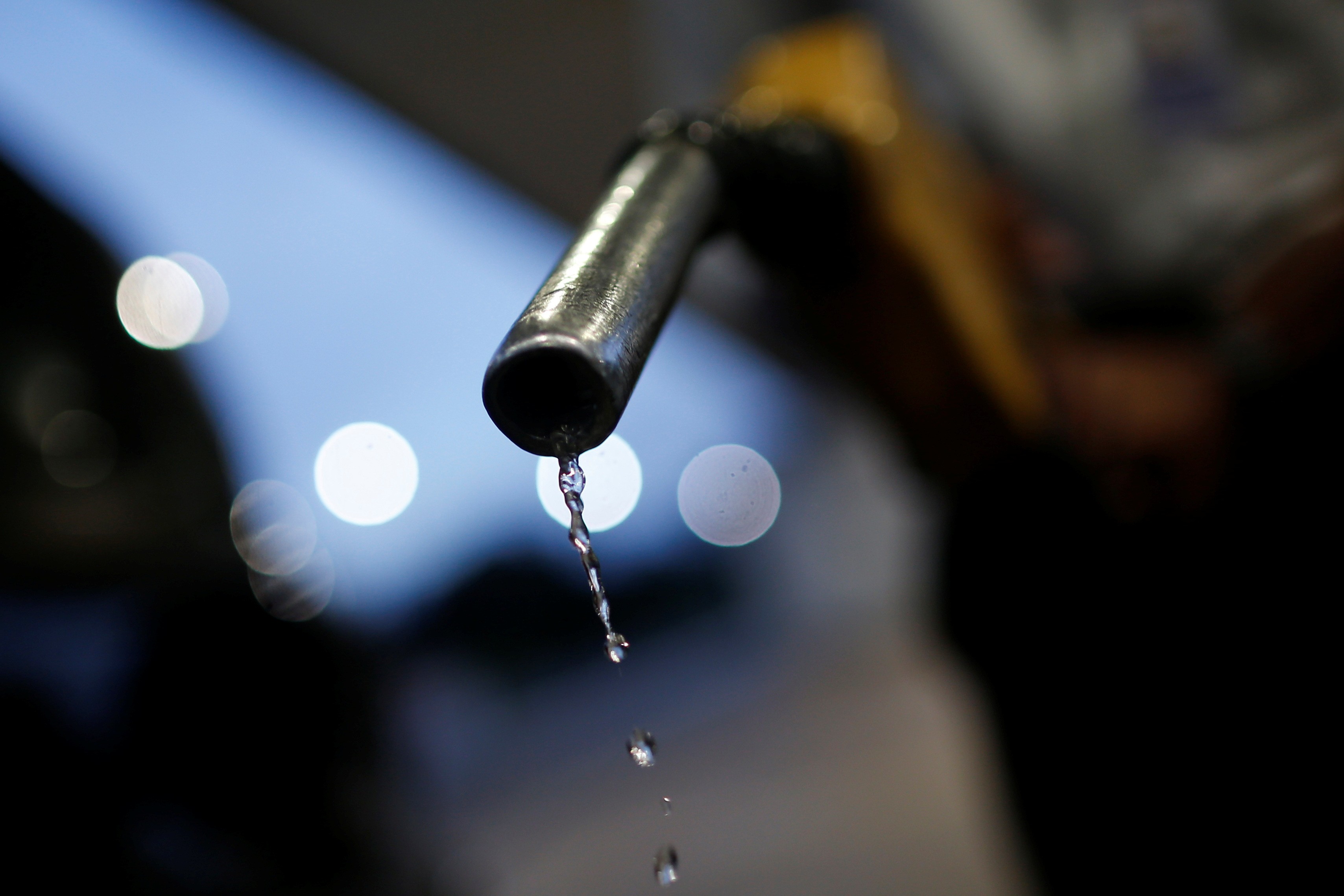
Civil Police in Roraima have indicted a 33-year-old school transport driver, a 25-year-old gas station attendant, and a 48-year-old gas station administrator for allegedly diverting fuel intended for school buses. The scheme is estimated to have caused a public loss of R$51,119.12 to the education sector. The investigation revealed that the diverted fuel was used to fill the driver's personal vehicle and storage containers at a gas station in Caracaraí, southern Roraima. The case began in November 2024 after an audit by the State Secretariat of Education and Sports (Seed) detected irregularities in vehicle refueling records. Police found evidence of inconsistent fuel amounts, rapid sequential refueling, and other anomalies, confirming the existence of the diversion scheme. The driver, who has confessed to the irregularities, used his school fleet fuel card to authorize fuel transfers that were then siphoned off. The attendant allegedly performed the irregular refueling, while the station administrator is accused of authorizing the fraudulent activity. All three have been indicted for embezzlement, a crime involving the misappropriation of public resources by public officials or their accomplices. This incident follows a previous investigation into a separate fuel diversion case within the education department.
This case highlights systemic vulnerabilities in public resource management, specifically concerning fuel procurement and distribution for essential services like school transportation. The alleged scheme points to potential failures in oversight mechanisms, including auditing processes and fuel card usage protocols. The indicted individuals' roles suggest a coordinated effort involving both operational staff and administrative personnel, underscoring the importance of robust internal controls and accountability across all hierarchical levels. Moving forward, enhancing real-time monitoring of fuel consumption, implementing stricter verification procedures for refueling transactions, and fostering a culture of ethical conduct through regular training could mitigate such risks. The involvement of a gas station administrator also suggests the need for due diligence and clear contractual obligations with third-party service providers to prevent complicity in fraudulent activities.
AI-generated to prompt reflection — not editorial opinion, not advice, not a statement of fact. How this works.