Three Key Trends Shaping the Middle East's Post-Iran War Landscape
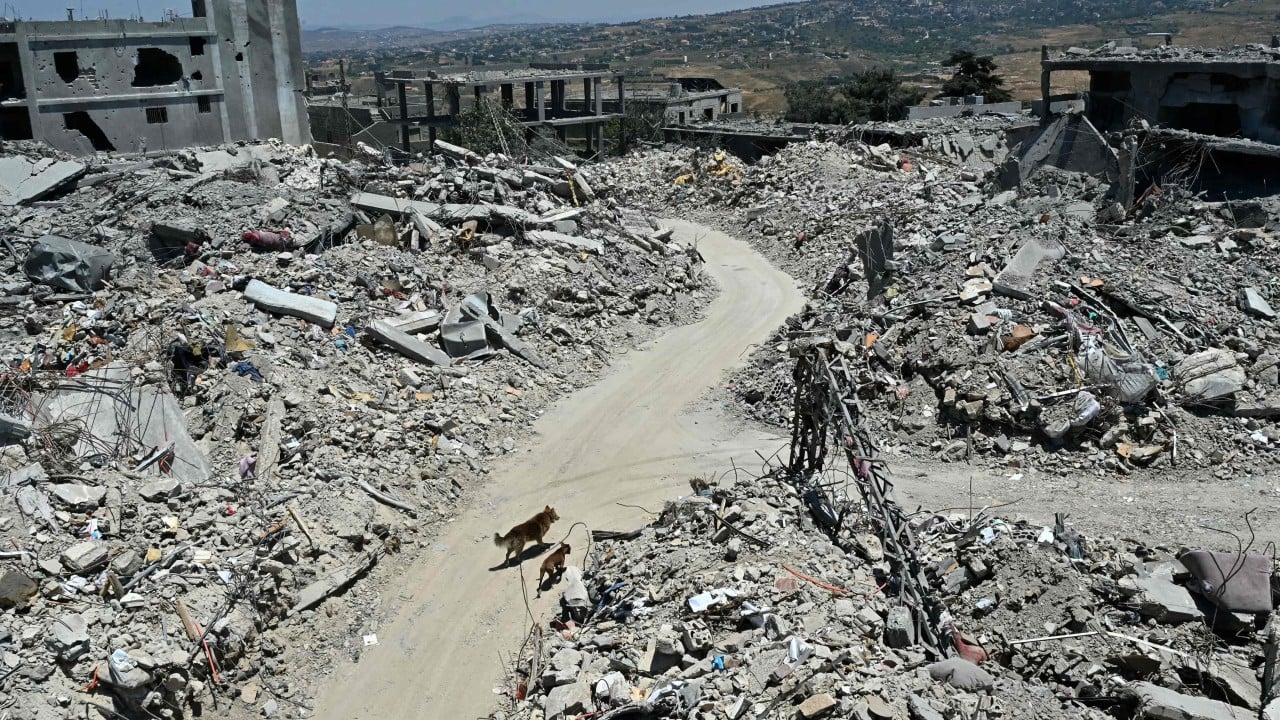
While the immediate conflict zone around Iran may be experiencing reduced activity and diplomatic efforts have recommenced, the primary competition in the Middle East has transitioned to establishing the region's future order. The central concerns are no longer solely focused on containing Iran, ensuring the security of the Strait of Hormuz, or preventing further escalation. Instead, the overarching issue is determining who will establish the new regional framework following recent geopolitical shifts. Three distinct pathways are emerging to define this new architecture. The first pathway is spearheaded by the United States, aiming to broaden the scope of the Abraham Accords and facilitate the integration of Israel into regional security and economic structures. This approach seeks to solidify existing normalization agreements and potentially expand them to other Arab nations.
The evolving Middle East landscape suggests a strategic recalibration by major powers, moving beyond immediate conflict management to the establishment of long-term regional governance. The US-led initiative, centered on expanding the Abraham Accords, reflects a strategy to leverage existing normalization agreements for broader regional stability and economic integration. This approach prioritizes institutionalizing relationships, potentially creating new economic and security blocs. However, the success of such frameworks will depend on their ability to address underlying regional grievances and power dynamics, ensuring equitable participation and benefits for all stakeholders. The next decade may reveal whether these new architectures foster genuine cooperation or create new fault lines, particularly in the context of shifting global power balances and emerging technological influences.
AI-generated to prompt reflection — not editorial opinion, not advice, not a statement of fact. How this works.