Three Lionesses Die from Heatstroke at Tokyo Zoo
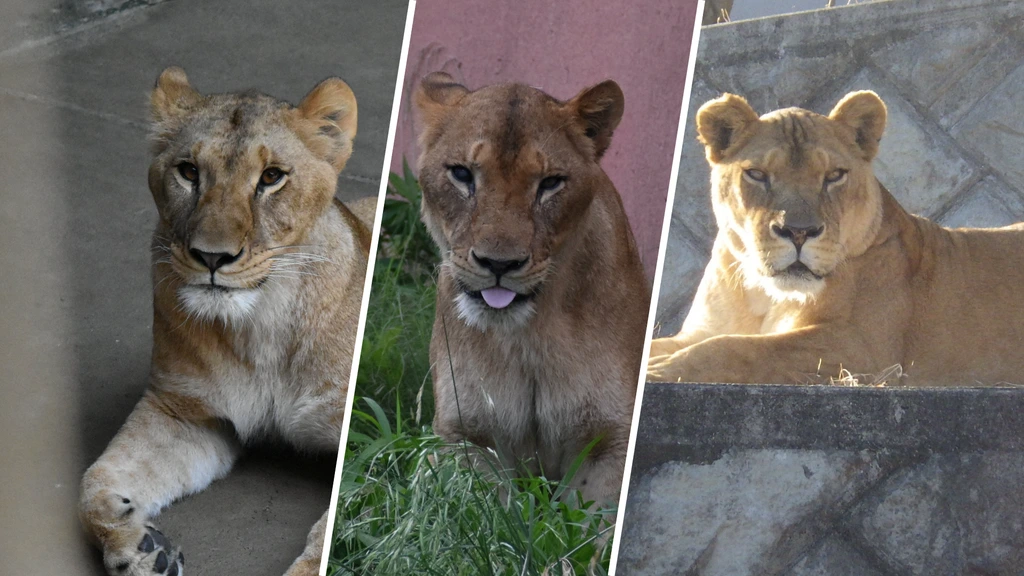
Three lionesses at the Tama Zoo in Tokyo, Japan, have reportedly died from heatstroke due to an intense heatwave gripping the country. The animals suffered severe dehydration as temperatures soared, with some areas reaching 40 degrees Celsius. According to the zoo, ten of the sixteen lions experienced reduced appetite and activity levels during the heatwave. While four lions recovered after initial treatment, the condition of the remaining animals deteriorated significantly. They stopped eating, became unconscious, and were unable to stand. The first to die was Mugi, a 3-year-old lioness, last Tuesday. Ichigo, aged 11, died three days later, followed by 15-year-old Luena the next day. Three other lions remain ill and are receiving treatment in a separate enclosure equipped with coolers and fans; they are currently unable to stand unaided. Although the official cause of death is pending, preliminary investigations suggest dehydration and organ failure caused by the heat. The zoo is implementing measures to prevent further animal deaths due to the extreme temperatures. While lions are native to Africa and accustomed to heat, the high humidity in Japan hinders their ability to regulate body temperature.
This incident highlights the vulnerability of even heat-adapted species to extreme weather events exacerbated by climate change, particularly in environments with high humidity that impedes thermoregulation. Zoos face increasing challenges in maintaining optimal conditions for animals as global temperatures rise, necessitating proactive adaptation strategies. The case prompts consideration of whether existing zoo infrastructure and management protocols are sufficiently robust to mitigate risks posed by prolonged heatwaves, and whether species selection for collections should account for future climatic conditions. It underscores the importance of continuous evaluation of environmental controls and emergency preparedness plans within zoological institutions to safeguard animal welfare in a changing climate.
AI-generated to prompt reflection — not editorial opinion, not advice, not a statement of fact. How this works.
