Three Members of Verbo da Vida Church Die in BR-412 Highway Accident in Paraíba
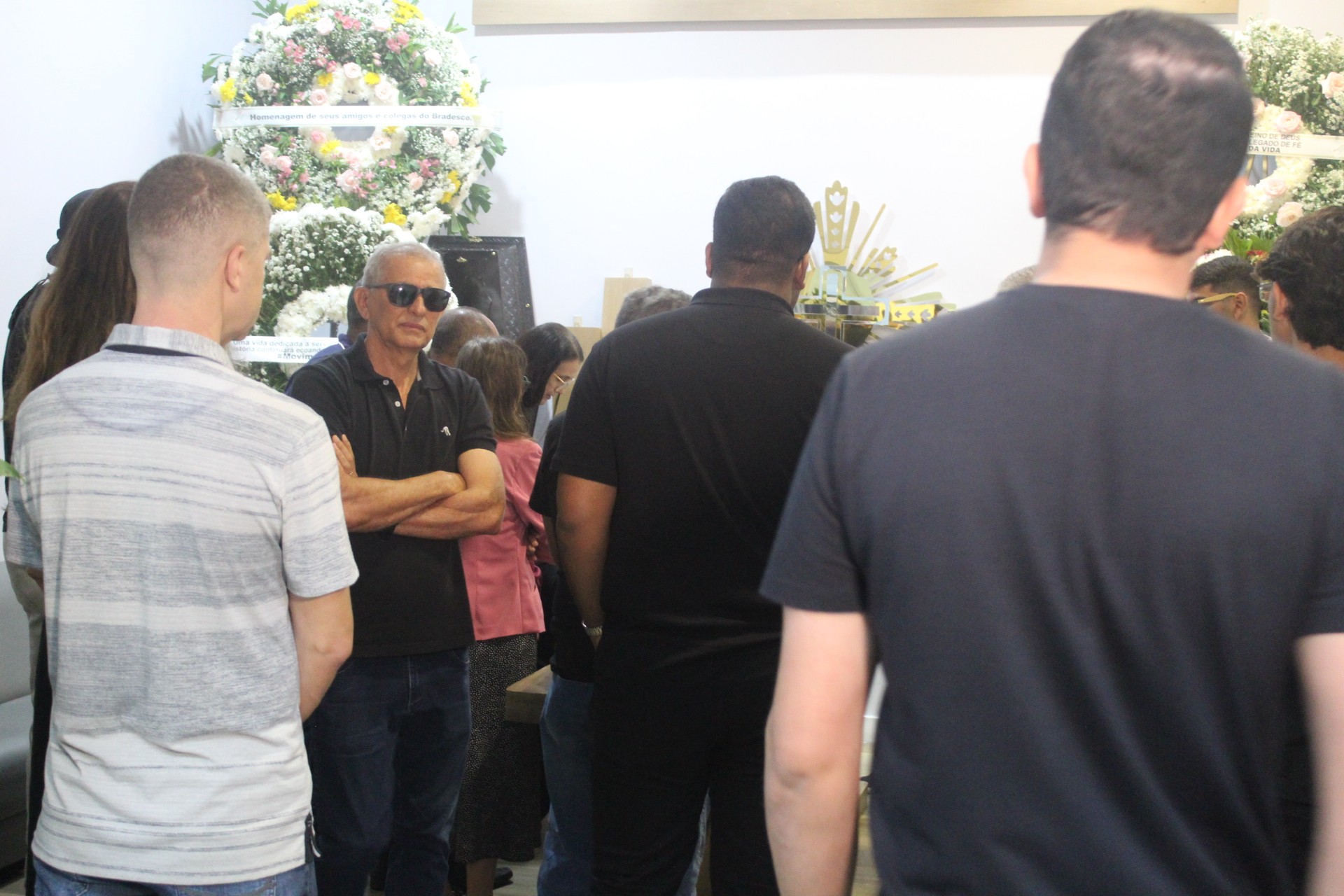
Three members of the Verbo da Vida Church in Petrolina, Pernambuco, died in a traffic accident on BR-412 in São João do Cariri, Paraíba, on Wednesday, June 15th. The victims, identified as pastor Gean Mangueira dos Santos, Ruth Alessandra Gomes dos Santos, and Alba Lúcia Gomes Simões, were traveling in a caravan to a religious conference in Campina Grande, Paraíba. The accident occurred around 2:30 PM at kilometer 31 and involved a ore-hauling truck and passenger cars. Six other individuals were injured and taken to the Hospital de Trauma de Campina Grande, with four having since been discharged. Pastor Gean Mangueira had been serving in Queimada Nova, Piauí, for two years. Ruth Gomes, who would have turned 24 next month, was nearing graduation from her dentistry program and was deeply involved in church activities. Alba Simões, a lawyer, served as vice-president of the NGO Movimento, dedicating herself to social assistance projects. The church community expressed deep sorrow and shock over the tragedy. The funerals are scheduled for Friday, June 17th: Ruth Alessandra will be buried in Lagoa Grande, Pernambuco; Alba Simões in Juazeiro, Bahia; and Pastor Gean Mangueira in Petrolina, Pernambuco.
This tragic accident underscores the inherent risks associated with long-distance travel, particularly for organized groups undertaking religious pilgrimages. The event highlights the interconnectedness of communities across different states, as evidenced by the victims' affiliations and the locations of their services and final resting places. From a systemic perspective, such incidents prompt a review of road safety measures on highways like the BR-412, especially concerning the potential for collisions between heavy freight vehicles and smaller passenger cars. The focus on the victims' dedication to their faith and community work, while providing comfort to the bereaved, also implicitly points to the societal value placed on such contributions. Looking ahead, the increasing reliance on group travel for religious and cultural events, coupled with the ongoing challenges of infrastructure and traffic management, suggests that proactive safety protocols and emergency response preparedness will remain critical.
AI-generated to prompt reflection — not editorial opinion, not advice, not a statement of fact. How this works.