Three Military Police Officers Acquitted in 2016 Disappearance Case in Brazil
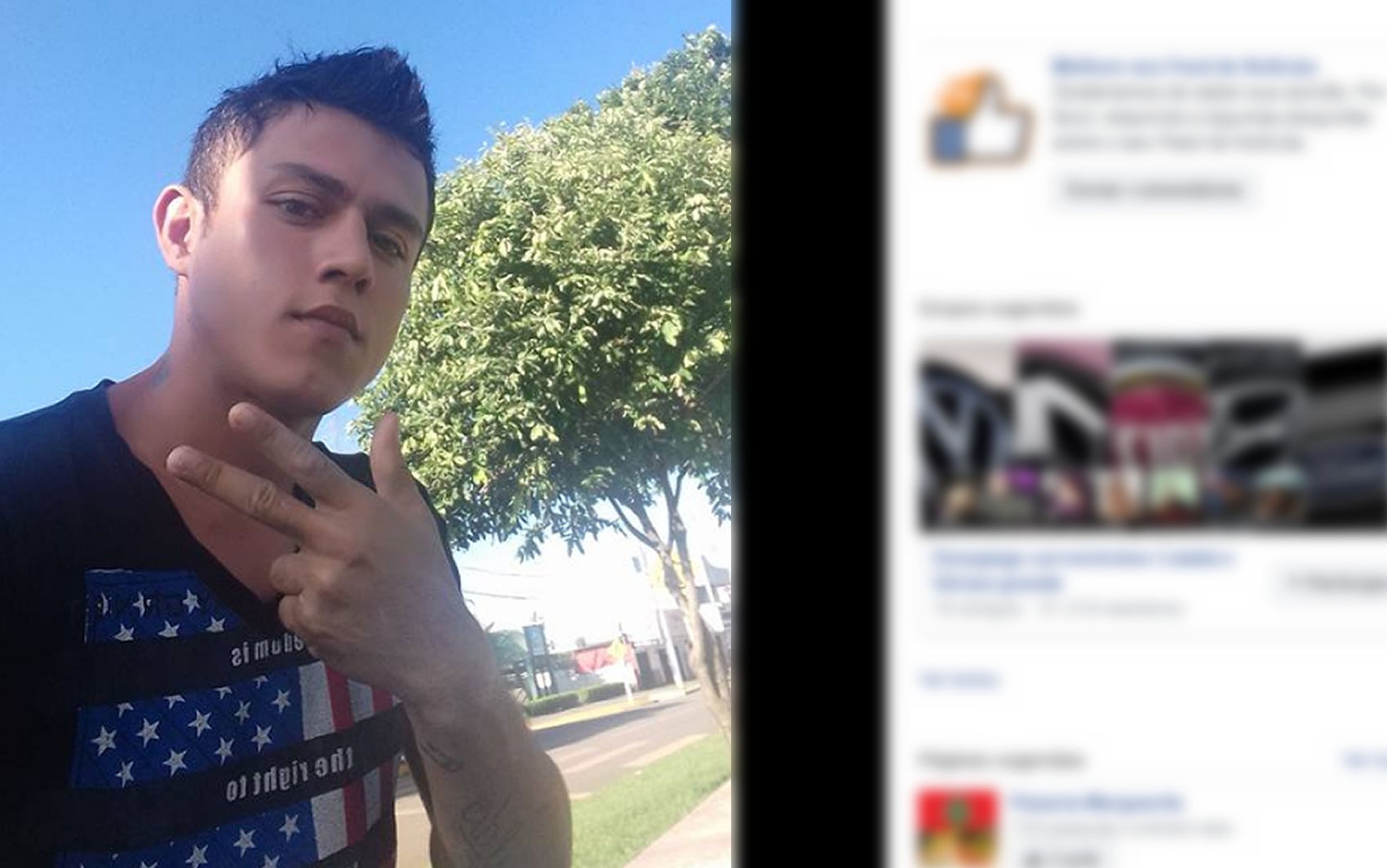
Three military police officers, Odjarma Jesus de Almeida, Jucival Claro da Silva, and Luan Antoniel da Cruz Gomes, have been acquitted by a jury in Rosário Oeste, Mato Grosso, Brazil, nearly ten years after the disappearance of Ronaldo Vargas da Cunha. The jury found insufficient evidence to convict the officers, who were accused of involvement in the disappearance and presumed death of the 25-year-old Vargas da Cunha. Vargas da Cunha vanished in December 2016 following a police stop in the Nossa Senhora Aparecida neighborhood while en route to his grandmother's house. His body has never been recovered. During the two-day trial, 23 witnesses were heard, and the three officers testified. Both the Public Ministry and the defense stated they would not appeal the verdict, making the decision final. The officers remained in the corporation while the case was pending, with Odjarma Jesus de Almeida moving to paid reserve status in February 2023 after 30 years of service. The family had been seeking answers since Vargas da Cunha's disappearance, with his grandmother, Ana Maria da Silva, recalling that Ronaldo had mentioned being threatened by a police officer. The family conducted their own searches but did not locate the young man.
This case highlights the challenges in achieving justice when a body is never found, particularly when the accused are law enforcement officials. The jury's decision, based on insufficient evidence, underscores the high burden of proof required in criminal proceedings. The prolonged period between the alleged crime and the verdict, coupled with the officers' continued service, raises questions about accountability mechanisms within the police force. Moving forward, focusing on strengthening investigative protocols and ensuring independent oversight could help build public trust and address potential systemic issues that may impede the pursuit of truth in such sensitive cases.
AI-generated to prompt reflection — not editorial opinion, not advice, not a statement of fact. How this works.