Three Natal Coastline Spots Unsuitable for Swimming This Weekend
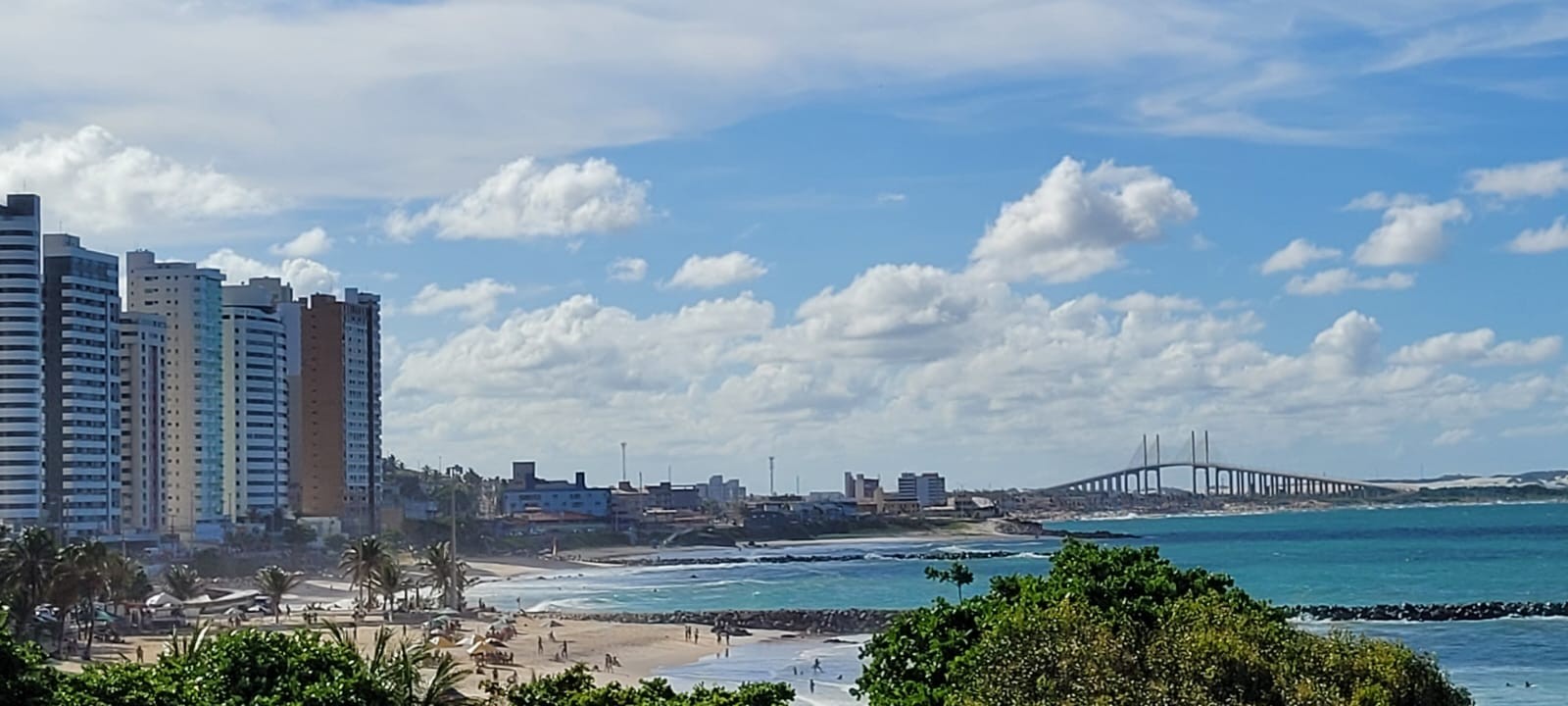
Three locations along the coastline of Greater Natal have been declared unsuitable for swimming this weekend, according to a water quality report released on Friday, December 3rd, by the RN Institute for Sustainable Development and Environment (Idema-RN). This assessment is valid until Thursday, December 9th, when a new analysis will be published. The report identifies two problematic sites in Parnamirim: Rio Pirangi (Ponte Nova) and Pirangi do Norte (Apurn). In Natal, the Areia Preta beach, specifically near the Mãe Luíza Staircase, is also deemed unfit for bathing. Idema-RN monitors 33 locations, including beaches, lagoons, and rivers, throughout the year, a reduction from the 18 fewer sites monitored during the summer period. These monitored areas span Natal, Parnamirim, Nísia Floresta, and Extremoz. The water quality analysis is based on the concentration of thermotolerant coliforms, commonly known as fecal coliforms, adhering to the parameters set by the National Environmental Council (Conama) for classifying water bodies as suitable or unsuitable for swimming. This monitoring initiative is part of the Blue Water Program, a collaborative effort between Idema, the Federal Institute of Education, Science and Technology of Rio Grande do Norte (IFRN), and the RN Foundation for Support of Education and Technological Development (Funcern).
This report highlights the ongoing challenge of maintaining water quality for public recreational use in coastal areas. The identification of specific sites as unsuitable for swimming, based on fecal coliform levels, underscores the impact of potential pollution sources on environmental health. The monitoring program, a collaboration between governmental and educational institutions, demonstrates a commitment to public safety and environmental stewardship. Future efforts may focus on identifying and mitigating the sources of contamination to ensure consistent water quality, thereby supporting both public health and the region's tourism economy. The cyclical nature of these advisories suggests a need for robust, long-term strategies that address potential environmental stressors, particularly in densely populated or frequently used coastal zones.
AI-generated to prompt reflection — not editorial opinion, not advice, not a statement of fact. How this works.