Three Pará Public Prosecutors Suspended Amid Criminal Investigations
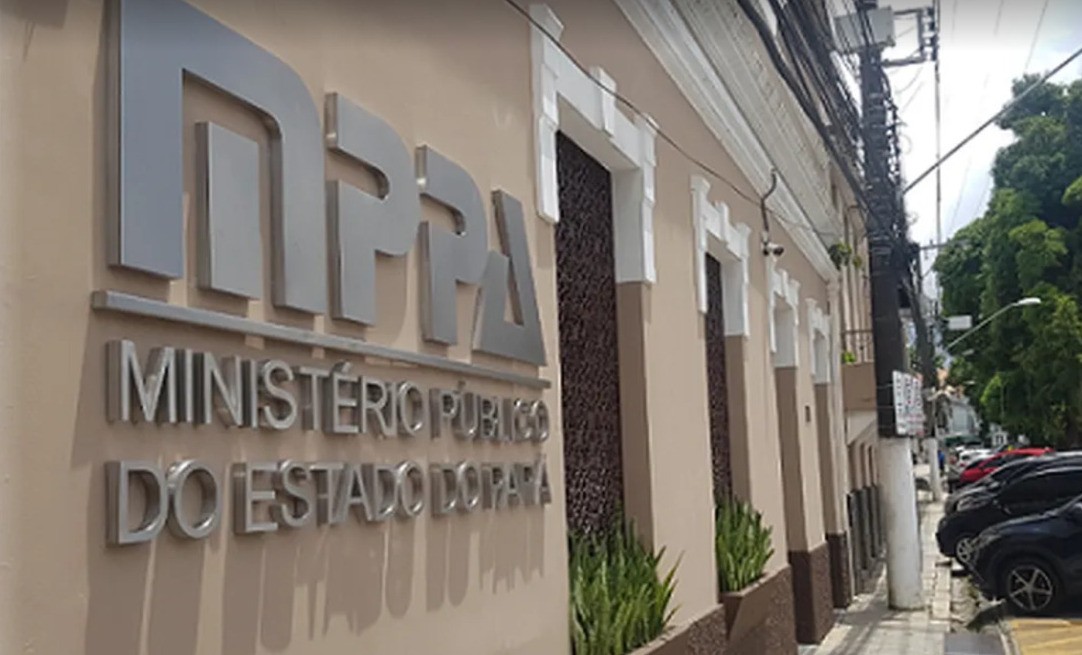
The National Prosecutor's Office Oversight Council (CNMP) has initiated administrative disciplinary proceedings against three members of the Pará State Public Prosecutor's Office (MPPA). These proceedings also include a provisional 120-day suspension from their duties. The CNMP stated that the suspension aims to ensure a thorough investigation and protect the institution's credibility, without prejudging the guilt of those involved. The investigations are based on information gathered by the MPPA's Specialized Group for Combating Organized Crime (Gaeco). For two prosecutors, evidence suggests potential involvement in criminal association, passive corruption, qualified administrative advocacy, and money laundering. The third individual, a prosecutor, faces allegations of administrative advocacy and influence peddling, along with possible breaches of official duties. These measures are precautionary, intended to safeguard the investigation while upholding the rights to due process and a full defense for the accused. The CNMP's decision to open these proceedings and impose the suspensions will be subject to review and approval by the CNMP Plenary. If confirmed, a rapporteur will be assigned to conduct the investigation and present a final judgment.
This situation highlights the internal oversight mechanisms within public prosecution bodies designed to address allegations of misconduct. The provisional suspension of prosecutors pending investigation is a standard procedure to ensure the integrity of the inquiry and prevent potential obstruction. The CNMP's actions underscore the importance of accountability in judicial institutions. Looking ahead, the effectiveness of such disciplinary processes will be crucial in maintaining public trust in the justice system, particularly as organized crime and corruption allegations can erode confidence. The system's ability to conduct thorough, impartial investigations and render fair judgments, while respecting due process, will be a key indicator of its resilience and legitimacy in the coming years.
AI-generated to prompt reflection — not editorial opinion, not advice, not a statement of fact. How this works.