Three suspects arrested for brutal beating after social media video identification
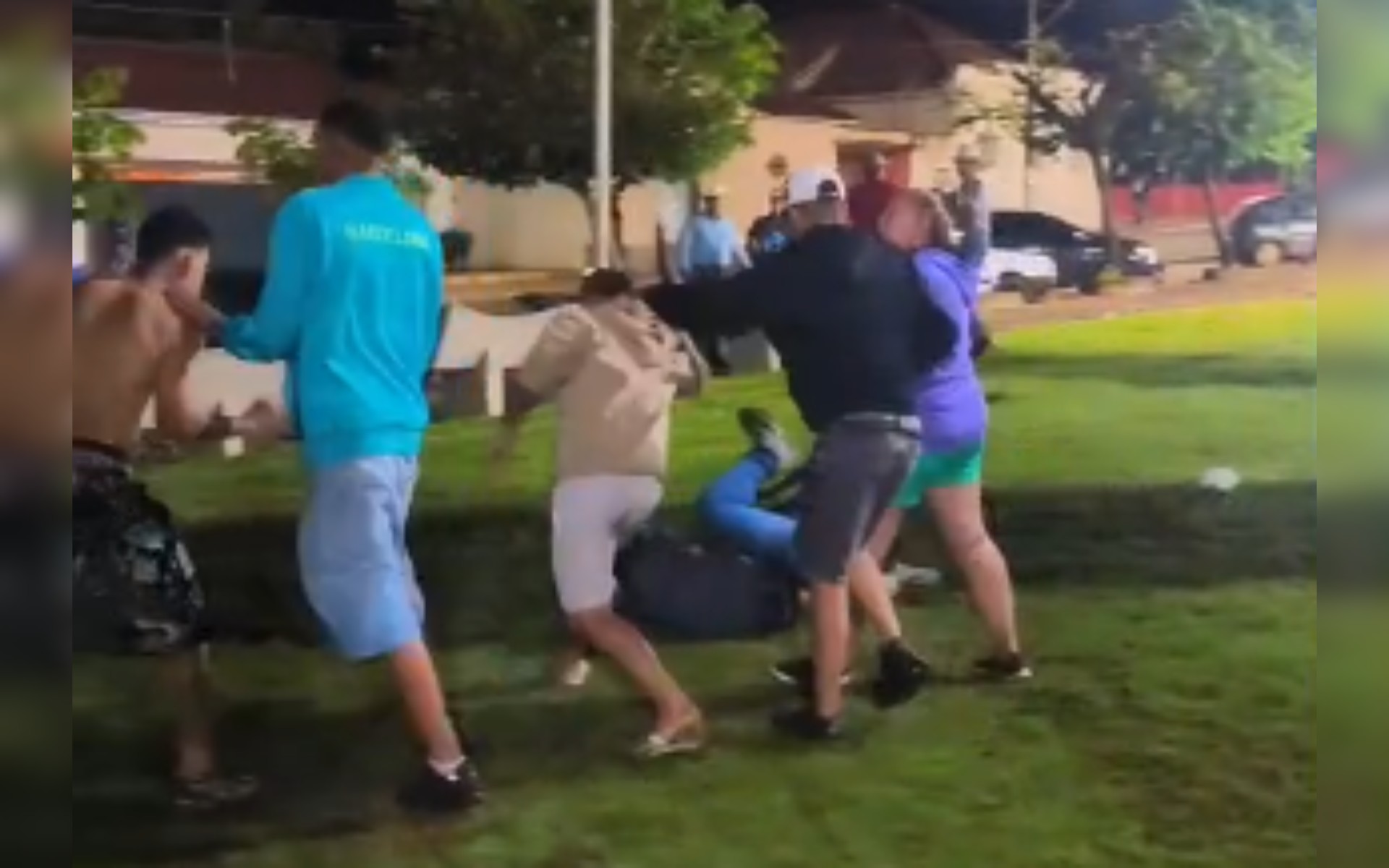
Three individuals suspected of severely beating a man during a party in Riolândia, São Paulo, have been temporarily arrested. The arrests occurred on Thursday, September 2, following the identification of the suspects through videos of the assault that were widely shared on social media. The crime took place on June 27, when the victim was reportedly surrounded by five suspects and repeatedly struck with pieces of wood, particularly on the head. Even after falling unconscious, the victim continued to be subjected to punches, kicks, and further blows with wooden objects. The violent incident was captured on video by attendees, and these recordings proved crucial for both the Civil and Military Police in identifying those involved. The Riolândia Police Department's investigation concluded that the attack involved a significant numerical disadvantage for the victim. The three arrested individuals have been charged with attempted qualified homicide, with the prosecution citing frivolous motive and the use of means that hindered the victim's defense due to his defenseless state on the ground. Following legal authorization, temporary arrest warrants were executed, and the suspects underwent forensic examinations. The investigation remains ongoing as authorities seek to determine the motive behind the altercation and apprehend the remaining two individuals believed to have participated in the assault.
The swift apprehension of suspects, facilitated by publicly shared video evidence, highlights the evolving role of digital media in law enforcement and public accountability. This case underscores the critical intersection of social media, citizen journalism, and the judicial process. The legal framework for charging attempted homicide with specific qualifiers – frivolous motive and impaired defense – reflects an attempt to categorize the severity of the act within established legal parameters. Moving forward, understanding the underlying societal factors that contribute to such violent outbursts at public gatherings, and exploring preventative strategies, will be crucial for community safety. The reliance on video evidence also raises broader questions about digital privacy and the ethical implications of recording and disseminating violent acts.
AI-generated to prompt reflection — not editorial opinion, not advice, not a statement of fact. How this works.