Three teens arrested in Paraná for making false emergency calls to police
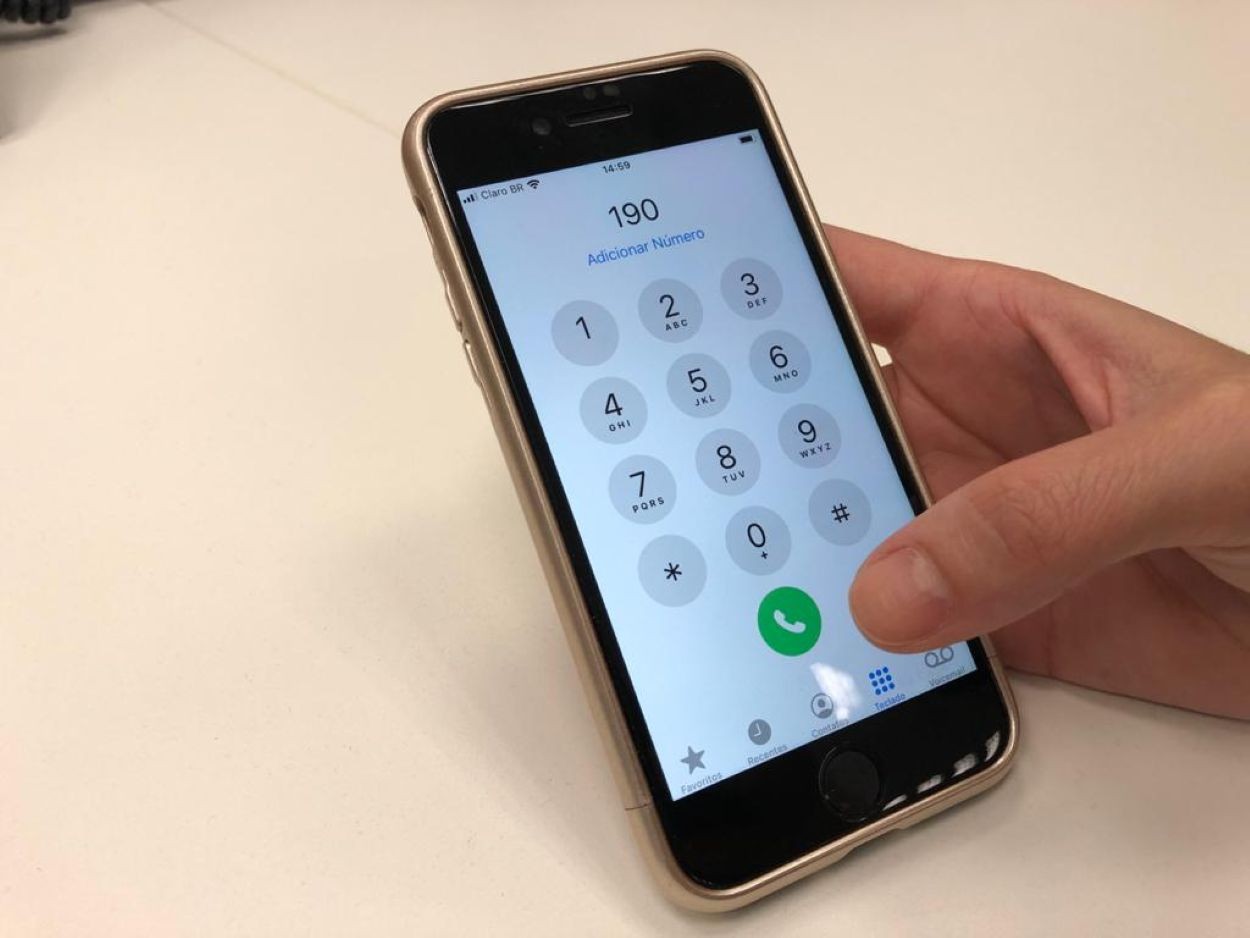
Three teenagers were taken to the police station in Chopinzinho, Paraná, on Wednesday, the 15th, after making three false emergency calls to the Military Police (PM). The PM stated that these calls "caused serious disruption and waste of resources that should be directed towards community safety." The incidents began around 5 PM when the Operations Center received two consecutive calls reporting a woman being assaulted by her husband, with the operator hearing cries for help, indicating imminent danger. Based on this, Patrol teams were immediately dispatched to two different addresses. Despite thorough searches and inquiries with neighbors, no victim or matching residence was found. Approximately one hour later, another call reported a 13-year-old girl being held captive by an intoxicated stepfather, facing a firearm and a sexual assault attempt. Police forces prioritized this call and rapidly responded to the given address. After tracing the calls, authorities confirmed all three were hoaxes. The police identified the callers as a 16-year-old and two 12-year-old girls, who used their own mobile phones. The Child Protective Services was involved, and the teenagers, along with their legal guardians, were taken to the Civil Police station. Making false emergency calls is a crime under the Brazilian Penal Code, classified as false communication of a crime or misdemeanor, punishable by detention of one to six months or a fine. For minors, it's considered a very serious infraction under the Child and Adolescent Statute (ECA). Such calls tie up emergency lines and personnel, diverting resources from genuine emergencies and potentially costing lives.
This incident highlights the significant strain that non-emergency calls place on public safety resources. By fabricating urgent situations, the individuals involved diverted critical police response capacity away from potentially life-threatening scenarios. The legal framework in Brazil, which criminalizes false emergency reports and treats them as serious infractions for minors, aims to deter such behavior by underscoring the severe consequences. This situation underscores a broader challenge in resource allocation for emergency services globally: balancing the need for immediate response with the imperative to prevent misuse of taxpayer-funded infrastructure. Future considerations may involve enhanced call screening technologies or public awareness campaigns to educate citizens on the gravity of misusing emergency services, particularly in an era where digital communication can be both a tool for aid and a vector for disruption.
AI-generated to prompt reflection — not editorial opinion, not advice, not a statement of fact. How this works.