Three Victims Identified in Fatal Truck-Car Collision on MGC-491 in Minas Gerais
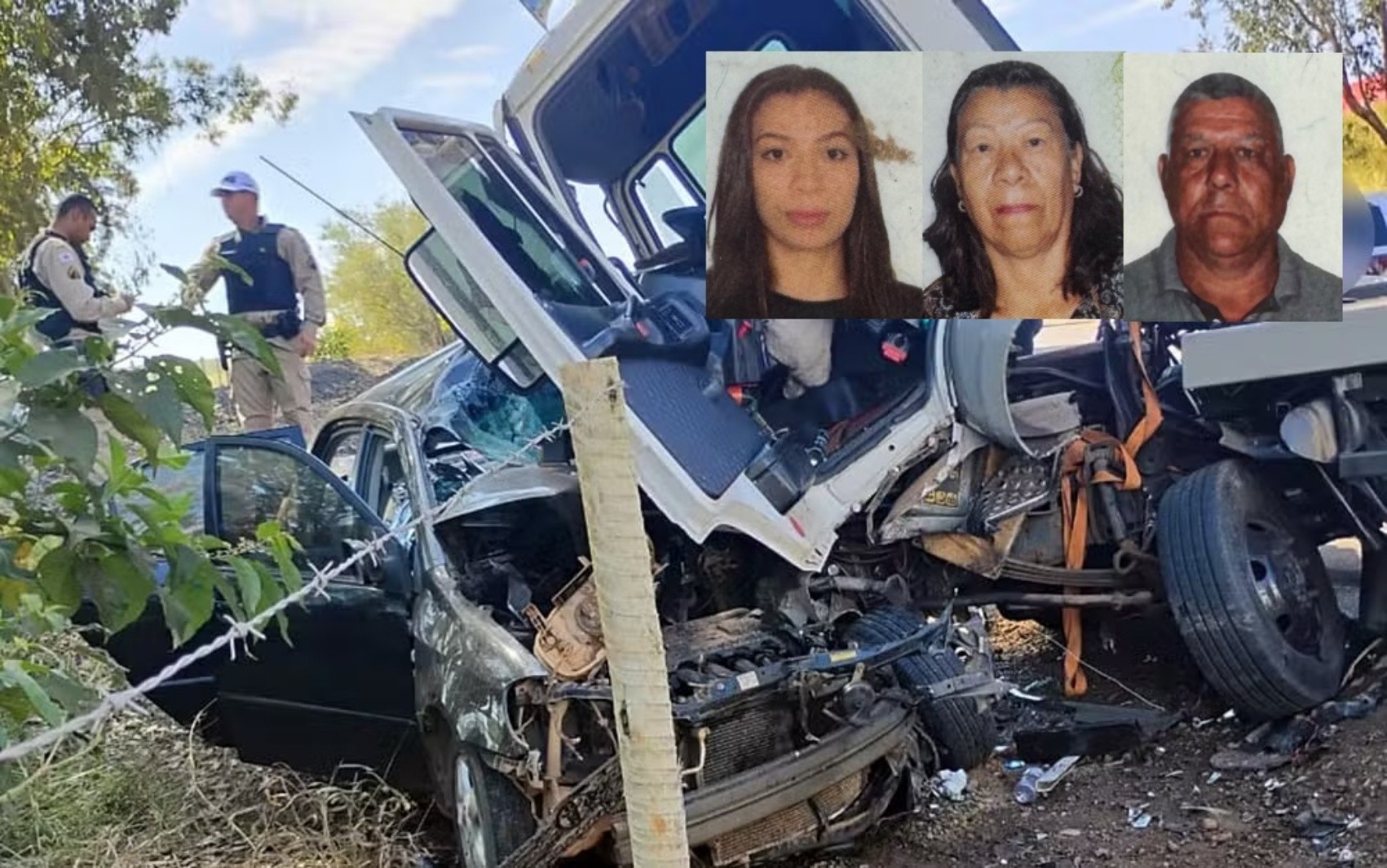
Three individuals, identified as Larisse Marielle de Oliveira, 33, her mother Maria Tereza Santana Oliveira, 68, and her uncle Jair Santana, 61, died in a head-on collision between a car and a truck on Thursday, May 23rd, on the MGC-491 highway in Elói Mendes, Minas Gerais. The victims, all residents of Campos Gerais, were returning from a medical appointment in Varginha when the accident occurred around 10:27 AM at kilometer 215. Larisse Marielle de Oliveira was a dedicated medical student at the Federal University of Alfenas (Unifal-MG), whose passing was mourned by the university's medical faculty, student center, and athletic association, who remembered her as compassionate and inspiring. Her mother, Maria Tereza, was known as Terezinha, and her brother, Jair, were also among the deceased. The truck driver, a 32-year-old man, sustained minor injuries and was taken to a Varginha hospital. The highway was completely blocked for several hours following the crash, with traffic resuming around 2:40 PM. Investigations into the cause of the accident are underway. Emergency services, including EPR Vias do Café, the Fire Department, Samu, and the Military Road Police, responded to the scene. The funeral services for Larisse, Maria Tereza, and Jair were scheduled for Friday, May 24th, in Campos Gerais.
This tragic incident highlights the inherent risks associated with road travel, particularly on highways where vehicle speeds are higher. The investigation into the collision's cause will be crucial in identifying contributing factors, whether they stem from driver error, vehicle mechanical failure, or infrastructure deficiencies. Understanding these dynamics is essential for developing targeted safety interventions. In the context of an increasingly automated transportation landscape, such accidents serve as a stark reminder of the human element's vulnerability and the need for robust safety protocols. The focus moving forward should be on systemic improvements in road safety management, including enhanced traffic monitoring, driver education, and potentially the integration of advanced driver-assistance systems to mitigate future occurrences.
AI-generated to prompt reflection — not editorial opinion, not advice, not a statement of fact. How this works.