Three-Year-Old Boy Dies After Being Struck by Car in Barra do Piraí
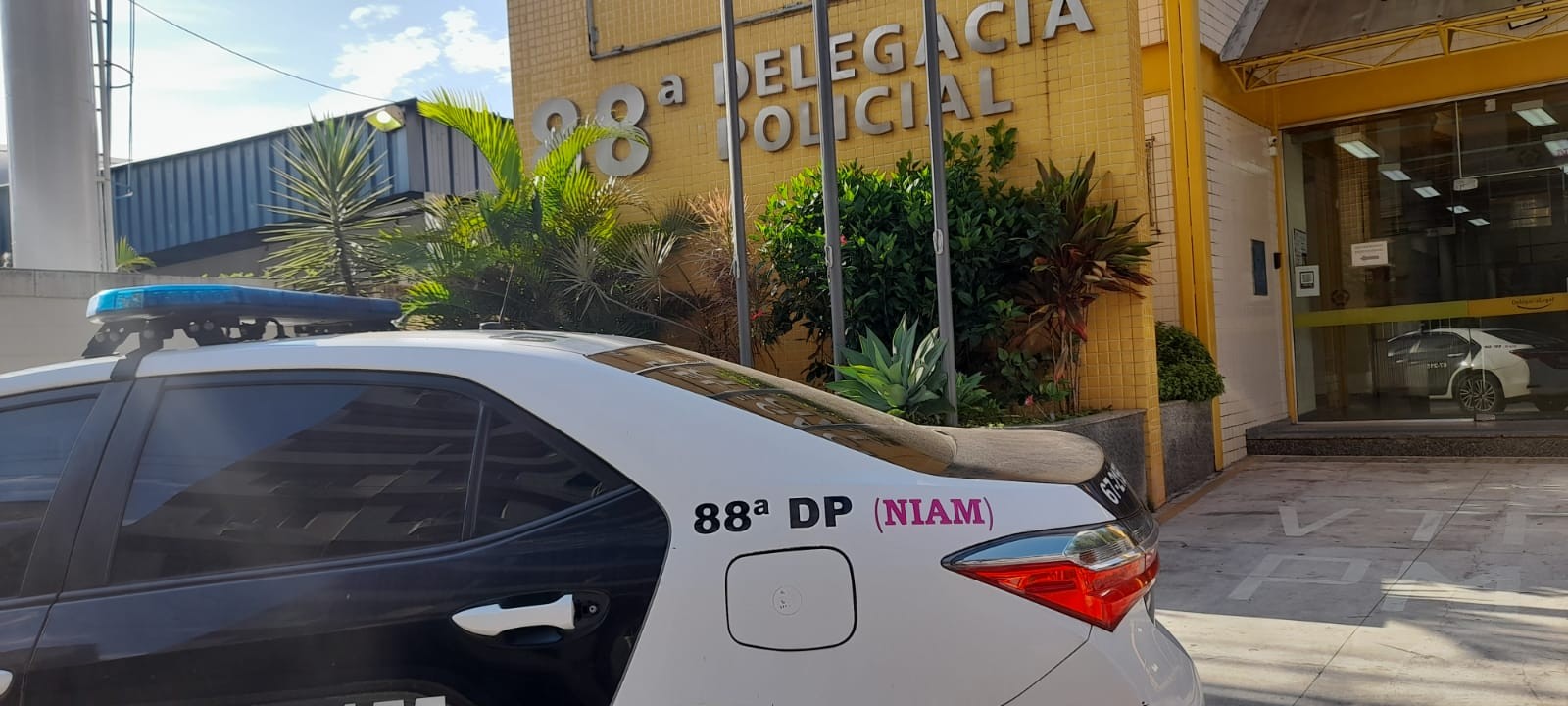
A three-year-old boy tragically passed away on Sunday, May 19th, after being hit by a car in the Vila Helena neighborhood of Barra do Piraí, Rio de Janeiro. The incident occurred around 1:10 PM on Ernando de Souza Leite Street. According to military police reports, the child was playing with other children in the street when he was struck by a vehicle. The 28-year-old female driver stated that the boy suddenly emerged from behind parked cars directly in front of her vehicle. She reported that she stopped immediately after the impact and was traveling at a low speed. The driver immediately requested assistance and remained at the scene. She was reportedly very distressed and required medical attention at the local emergency unit. The child was also transported to the emergency center but succumbed to his injuries. Forensics teams visited the collision site to gather evidence for the ongoing investigation. The driver was questioned and subsequently released, while the vehicle was seized and taken to the Barra do Piraí police station, where the incident was officially recorded. The identities of those involved have not been released.
This unfortunate event highlights the inherent risks associated with children playing in or near roadways, particularly in urban environments. The driver's account suggests a sudden, unpredictable pedestrian emergence, a common factor in such tragic accidents. While the investigation will determine fault, the incident underscores the critical need for enhanced child safety measures, including public awareness campaigns on road safety for young children and parents, and potentially improved urban planning to create safer play areas away from traffic. The legal process will assess negligence, but the systemic challenge lies in balancing urban mobility with the paramount safety of vulnerable pedestrians, especially children, in dynamic traffic conditions.
AI-generated to prompt reflection — not editorial opinion, not advice, not a statement of fact. How this works.