Three-year-old girl goes home after living in hospital since birth
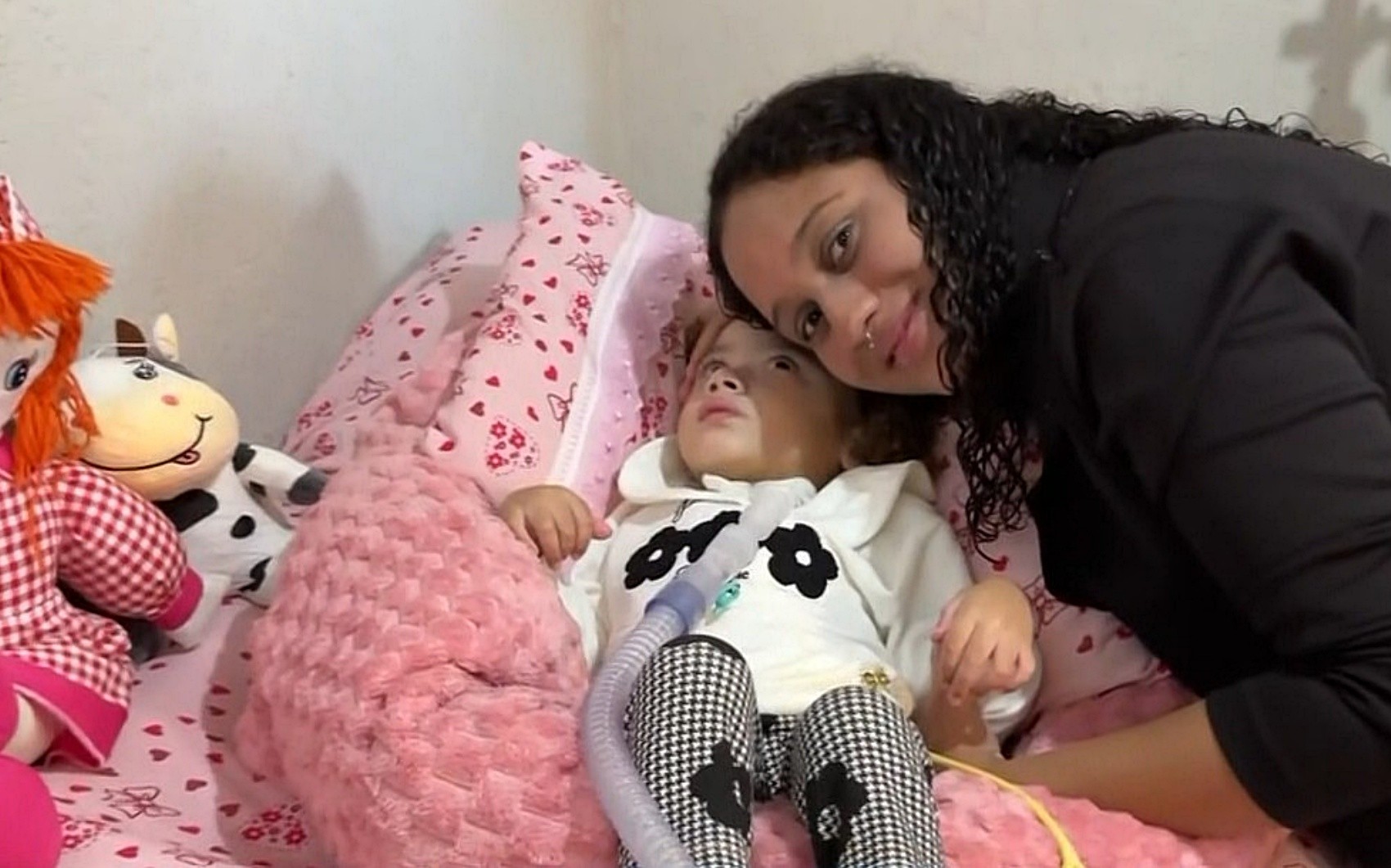
A three-year-old girl named Lívia has finally gone home after spending her entire life in the Hospital Samuel Libânio in Pouso Alegre, Minas Gerais, Brazil. Lívia was born with spinal cord compression at the first cervical vertebra (C1), a condition known as myelopathy. She underwent surgery shortly after birth to decompress the spinal cord, but the resulting neurological deficits required continuous medical care. The compression significantly impacted her motor functions in her legs and arms, as well as her respiratory system. Lívia spent her early life in the intensive care unit before moving to a room in the pediatrics ward, where she remained until her recent discharge. Her mother, Mariana Borges, commuted daily for three years from their home in Borda da Mata to the hospital, a distance of 30 kilometers. The hospital had become an extension of their home, but Mariana expressed joy at being able to provide Lívia with full attention at home. Lívia was discharged on July 20th, following a successful legal effort by her mother to secure state and municipal funding for home care services. Her new home environment is equipped with essential medical equipment, including respiratory support, feeding tubes, oxygen, and a backup generator, mirroring the intensive care she received at the hospital. Nursing staff continue to monitor her vital signs and breathing closely. Mariana is actively seeking further treatments, including a procedure in Campinas, São Paulo, to potentially remove Lívia from a defibrillator and enable her to begin speech therapy. The family is also pursuing an adapted wheelchair to improve Lívia's mobility and allow her to experience activities outside of bed, such as going outdoors.
This case highlights the critical need for robust home-based healthcare infrastructure and funding, particularly for children with complex medical conditions. The prolonged hospitalization underscores systemic challenges in transitioning patients from institutional care to community settings, even when home care is legally mandated. While the legal victory for home care is significant, the ongoing reliance on extensive medical equipment and intensive monitoring at home suggests that the definition of 'home care' may require further refinement to truly alleviate the burden on families and ensure optimal patient outcomes. Future considerations should focus on integrated care models that proactively address the long-term needs of medically fragile children, including accessible adaptive technologies and therapeutic interventions, to foster greater independence and quality of life beyond the hospital walls.
AI-generated to prompt reflection — not editorial opinion, not advice, not a statement of fact. How this works.