Thuringia's AfD Faces Scrutiny: Disenfranchisement or Ban Discussed for Höcke's Party
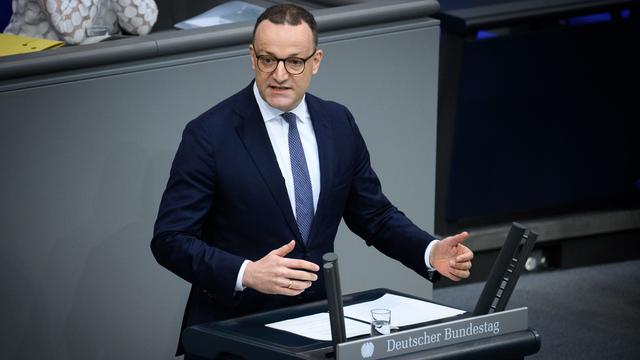
The Thuringian branch of the Alternative for Germany (AfD) party, led by Björn Höcke, is currently under intense scrutiny. Discussions are underway regarding potential measures to address the party's activities and influence. Among the proposals being considered are the revocation of voting rights for certain members and even the possibility of a party ban. These considerations stem from concerns about the AfD's political stance and actions within the state. The debate highlights a significant challenge in German political discourse on how to handle far-right political movements. Legal and political experts are weighing the implications of various actions against the party. The situation in Thuringia is seen as a critical test case for democratic institutions in Germany. The potential consequences of these measures, both legally and politically, are being thoroughly examined. The outcome of these discussions could set a precedent for dealing with similar political challenges in the future.
The ongoing debate surrounding the Thuringian AfD and potential measures like disenfranchisement or a ban reflects a fundamental tension between protecting democratic processes and upholding fundamental political freedoms. Legal frameworks in Germany are designed to balance these principles, requiring substantial evidence of anti-constitutional activities to justify severe actions like a party ban. The discussion highlights the complex governance challenge of managing political actors whose rhetoric or actions may test the boundaries of democratic norms without necessarily crossing established legal thresholds. Future considerations may involve refining existing legal mechanisms or exploring alternative strategies to counter political extremism while preserving democratic space. The long-term implications for political pluralism and the health of democratic institutions will depend on how these challenges are navigated within the rule of law.
AI-generated to prompt reflection — not editorial opinion, not advice, not a statement of fact. How this works.