Thuringia's Forests Face Drought Challenges
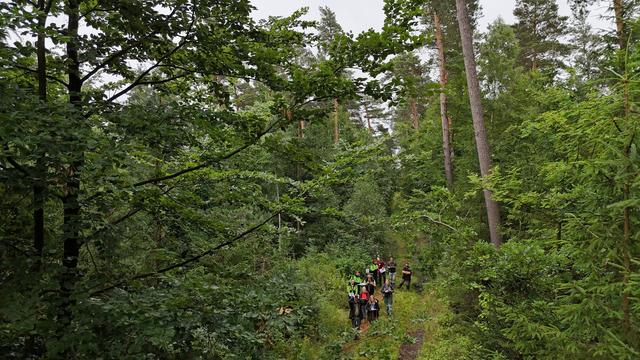
The forests in Thuringia are currently experiencing significant challenges due to ongoing drought conditions. The dry weather has led to widespread stress among trees, making them more susceptible to pests and diseases. This situation raises concerns about the long-term health and resilience of the forest ecosystems in the region. Forest managers are closely monitoring the situation and implementing measures to mitigate the impact of the drought. These measures may include targeted watering in critical areas and efforts to control insect infestations. The prolonged lack of rainfall is a serious concern for biodiversity and the ecological balance of Thuringia's woodlands. The current conditions highlight the vulnerability of forest ecosystems to climate change and the increasing frequency of extreme weather events. Further research and adaptive management strategies are likely needed to ensure the sustainability of these forests in the face of future environmental changes. The impact on timber production and the forest-based economy is also a consideration.
The persistent drought conditions in Thuringia's forests underscore the increasing vulnerability of natural ecosystems to climate change. This situation presents a systemic challenge, highlighting the need for adaptive forest management strategies that can withstand prolonged dry spells and mitigate the spread of pests and diseases. Future planning must consider the long-term implications of such environmental stressors on biodiversity, ecological stability, and economic resources. The event prompts reflection on how current forestry practices align with the projected realities of a warmer, drier climate and whether investments in drought-resistant species or advanced water management techniques are becoming imperative for ecological and economic resilience over the next decade.
AI-generated to prompt reflection — not editorial opinion, not advice, not a statement of fact. How this works.