Thuringian Immigration Offices Deploy Artificial Intelligence for Digitalization
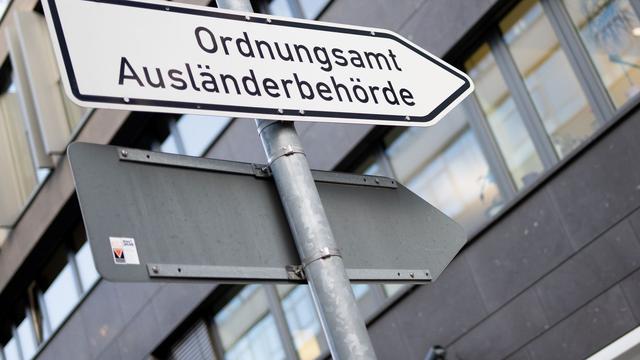
Immigration authorities in the German state of Thuringia are implementing artificial intelligence (AI) as part of their digitalization efforts. This initiative aims to streamline processes and improve efficiency within the offices. The use of AI is expected to help manage the increasing volume of applications and inquiries more effectively. Specific details on the AI applications being used were not provided in the initial report. However, the move signifies a broader trend of public administration adopting advanced technologies to modernize services. The goal is to reduce processing times and enhance the overall experience for both staff and applicants. This technological advancement is part of a larger strategy to bring public services in line with digital capabilities available in other sectors. The implementation is currently underway across various immigration offices within Thuringia.
AI's integration into Thuringian immigration offices represents a strategic move to enhance public service efficiency through technological advancement. This adoption aligns with global trends in administrative modernization, aiming to address growing caseloads and complex processing requirements. The deployment of AI systems could offer significant benefits in terms of speed and accuracy, potentially reducing bureaucratic backlogs. However, careful consideration must be given to data privacy, algorithmic bias, and the ethical implications of AI in decision-making processes. Ensuring transparency and accountability in the AI's operation will be crucial for maintaining public trust and safeguarding individual rights. The long-term success will depend on robust oversight, continuous evaluation, and the ability to adapt the technology to evolving legal and social landscapes.
AI-generated to prompt reflection — not editorial opinion, not advice, not a statement of fact. How this works.