Tiago Pitthan's Farewell: A Celebration of Life with Samba and Cheers
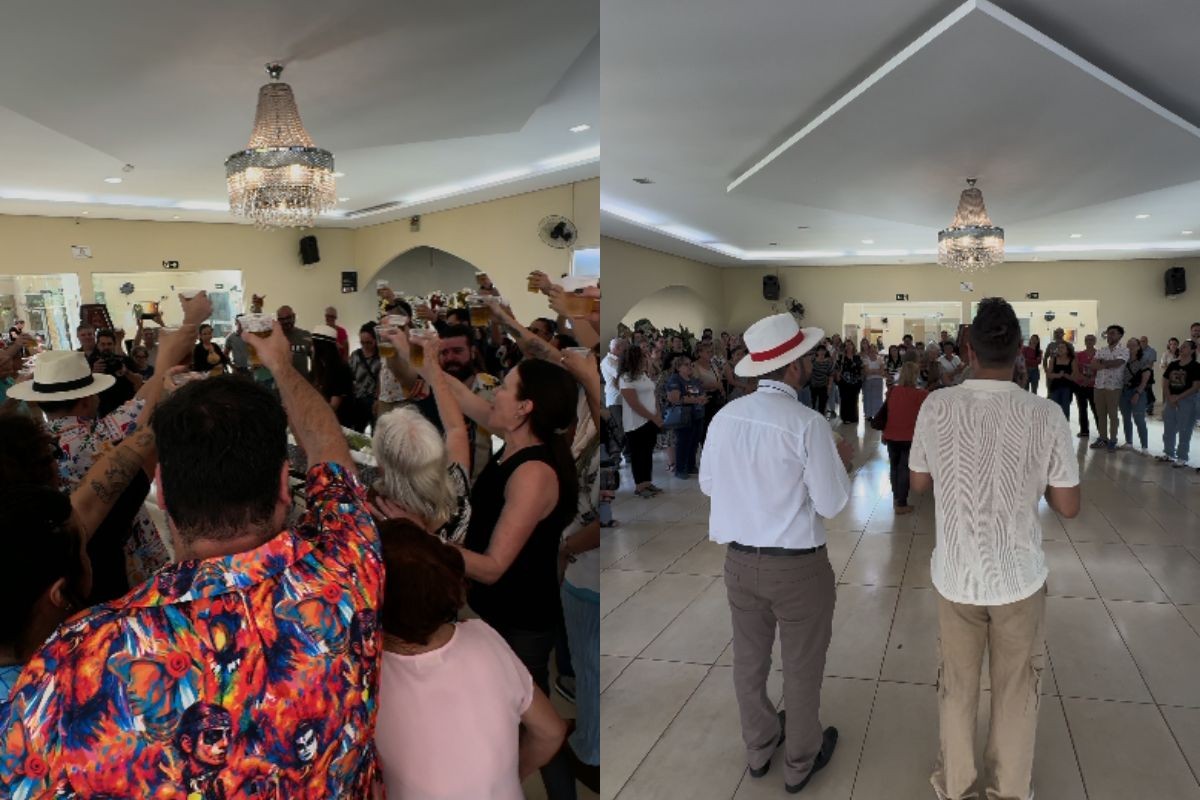
Tiago Pitthan, an attorney and tourism specialist, was laid to rest on Monday, June 6th, in Campo Grande, Brazil, following his death on Sunday, June 5th, from terminal stomach cancer. His farewell ceremony was unconventional, featuring samba music, toasts with beer (chopp), and attendees dressed in colorful clothing, reflecting his wish for a celebration of life rather than a somber occasion. This differed from his earlier, self-organized "living wake" held on May 30th, which also aimed to celebrate his life while he was still alive. Pitthan, known affectionately as the 'good guy' ('bom sujeito'), passed away after a rapid decline in health following the living wake. His friends described him as someone who consistently embraced life, traveling and seeking new experiences, and who used his final months to impart lessons about cherishing every moment. Even after his diagnosis in March 2024, Pitthan continued to work, learned to play the guitar, revisited adventurous activities like rappelling and skydiving, and meticulously organized aspects of his final arrangements, including documents and passwords. He expressed a desire to live fully rather than fear death, leaving behind a legacy of seizing opportunities and living life to its fullest. His final social media posts conveyed a message of peace, contentment, and the affirmation that his life was worthwhile, ending with a loving farewell to his friends and family.
Tiago Pitthan's unique approach to his final days, marked by a 'living wake' and a celebratory funeral, highlights a growing societal shift towards confronting mortality with acceptance and personal agency. This event challenges traditional, often somber, funeral customs, suggesting a desire for more authentic and personalized expressions of remembrance. Pitthan's emphasis on living fully until the end, even in the face of a terminal diagnosis, serves as a powerful testament to the human capacity for resilience and finding meaning amidst adversity. His actions prompt reflection on how individuals and society can better prepare for end-of-life transitions, moving beyond fear and toward a more integrated understanding of life's natural cycles. This perspective encourages a broader conversation about palliative care, personal autonomy in end-of-life decisions, and the creation of meaningful rituals that honor a life lived.
AI-generated to prompt reflection — not editorial opinion, not advice, not a statement of fact. How this works.