Tiago Pitthan, Who Held His Own 'Living Wake' After Terminal Cancer Diagnosis, Dies at 47
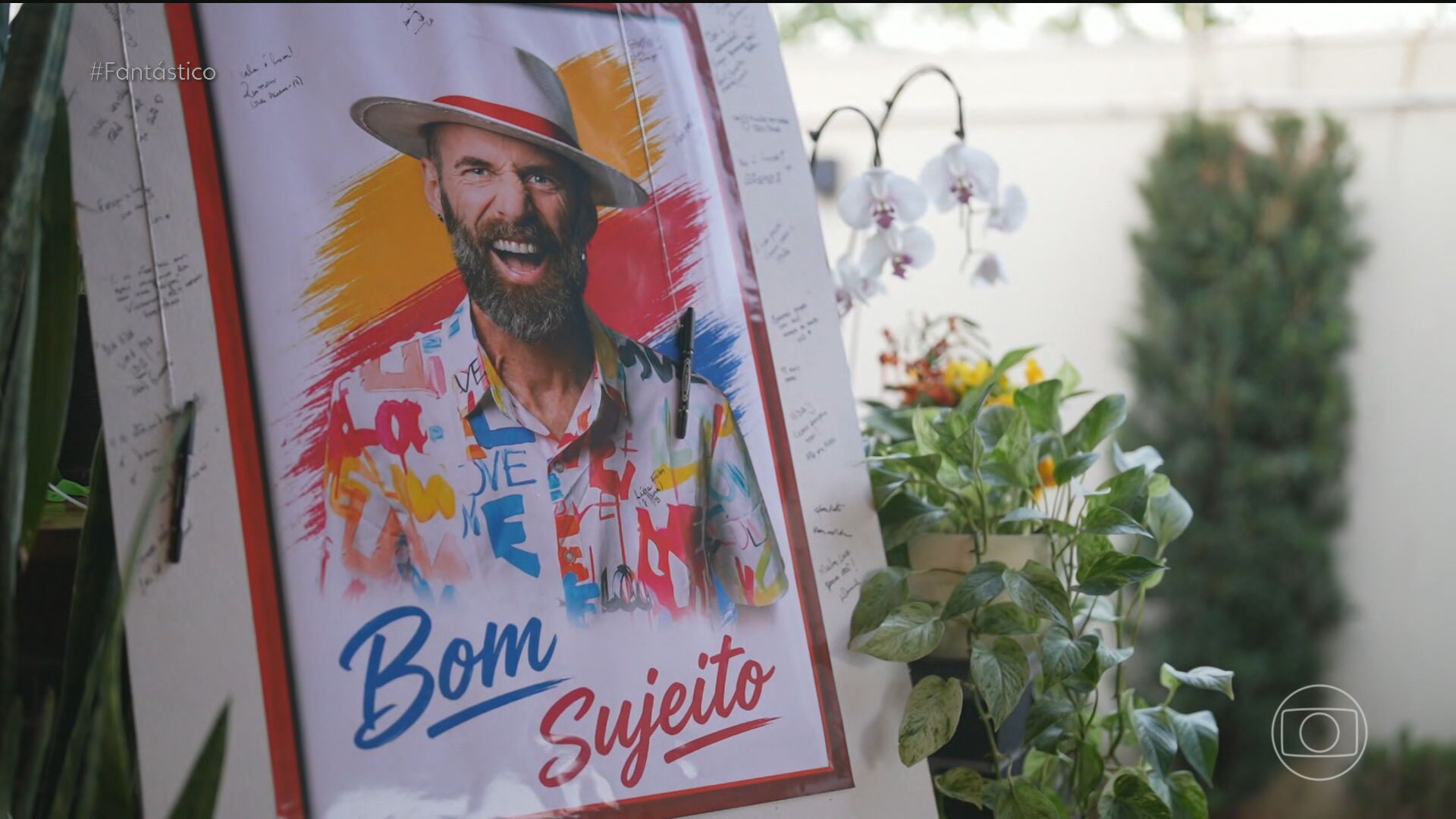
Tiago Pitthan, a man who gained national attention for organizing his own "living wake" after being diagnosed with terminal cancer, passed away on Sunday, May 5th, at the age of 47. The unique ceremony, held on May 30th, was conceived as a celebration of life rather than a mournful event, drawing family, friends, and hundreds of individuals who had followed his story. Pitthan expressed a desire to confront his illness openly, including topics like death, and transform his farewell into an occasion filled with affection. He was diagnosed with an aggressive stomach cancer, and from the outset, he chose to speak candidly about his condition. Pitthan stated that he insisted on using terms like "cancer," "death," and "wake" to demystify them, believing that unacknowledged fears are more haunting. His initial symptoms appeared around New Year's 2024, and while surgery was planned, it revealed the cancer had already metastasized. He subsequently underwent chemotherapy and immunotherapy, but his condition worsened by the end of 2025, prompting him to reflect on how he wanted to spend his remaining time. Pitthan described the terminal diagnosis as a shock but one he faced directly, acknowledging his impending death. The "living wake" was planned as a joyous event, commencing with a samba performance and evolving into an open invitation as his story spread. His mother, Mabel Schueler, shared the emotional difficulty of participating in her son's wake while he was still alive, but Pitthan viewed the ceremony as a chance to cherish present moments with loved ones. He emphasized living fully in his remaining time, stating, "I'm living, and when I die, I died, but until then, I'm living, not dying."
Tiago Pitthan's "living wake" represents a profound personal response to a terminal diagnosis, challenging societal norms around confronting mortality. His proactive approach to discussing cancer and death, framing them as aspects of life rather than taboo subjects, offers a model for open communication about difficult health experiences. This event highlights the growing cultural interest in celebrating life and acknowledging death with agency, particularly in the face of advanced illness. It prompts consideration of how healthcare systems and social support networks can better facilitate open dialogue and emotional well-being for patients and their families navigating terminal diagnoses, moving beyond conventional palliative care to embrace more holistic and personalized end-of-life planning.
AI-generated to prompt reflection — not editorial opinion, not advice, not a statement of fact. How this works.