Tibetan activist dies after self-immolation near UN headquarters
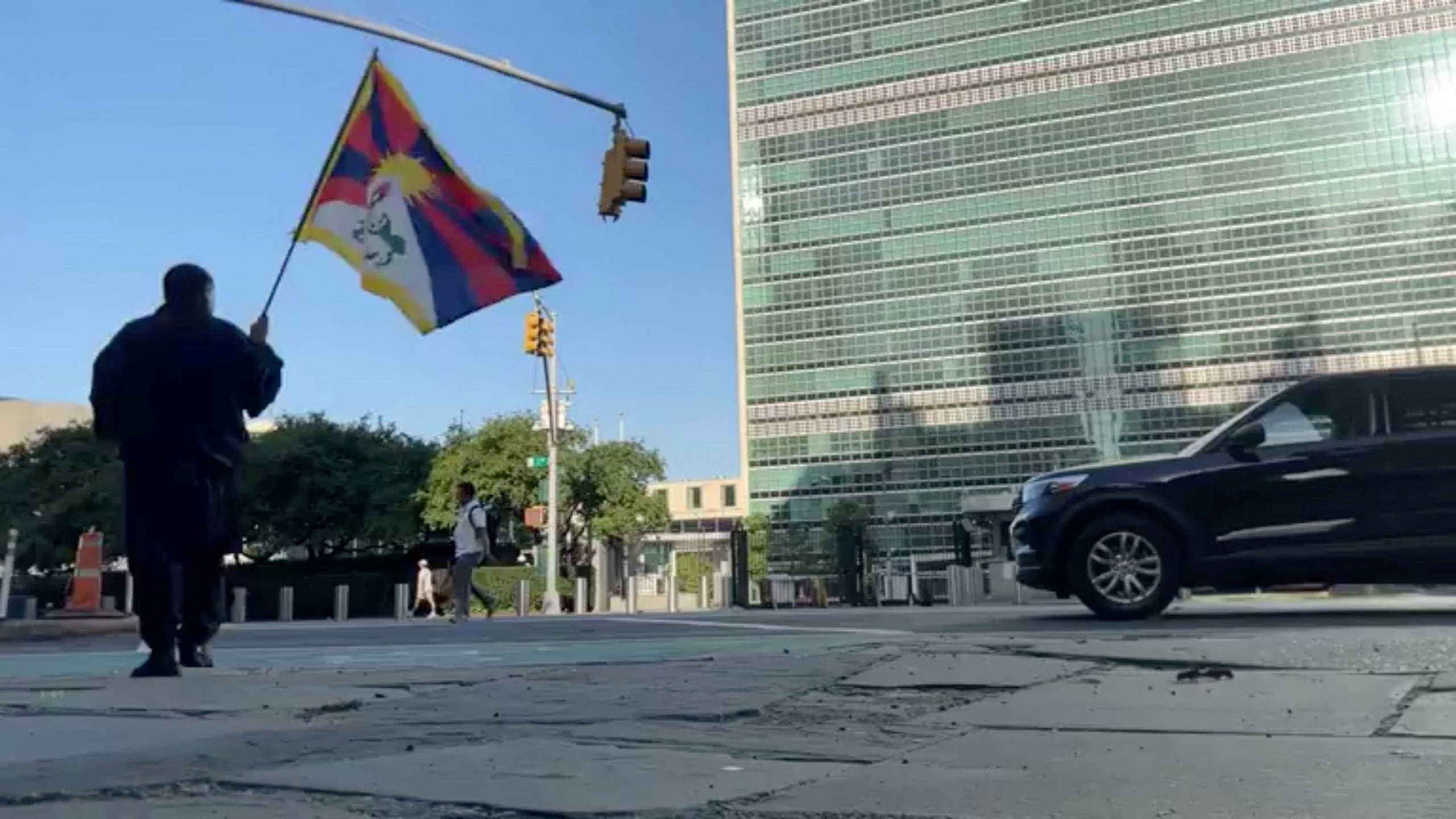
A Tibetan activist, identified by exiled Tibetan media as Lobga Rangzen, has died from severe burns after setting himself on fire near the United Nations headquarters in New York City. The incident occurred on Thursday, February 2nd, around 6:30 PM local time. Police responded to an emergency call and found the man critically injured, subsequently transporting him to Bellevue Hospital where he was pronounced dead. The New York Police Department (NYPD) has stated that investigations are ongoing and has not officially released the victim's identity. The Voice of Tibet reported that Rangzen engaged in self-immolation as a protest for Tibet's independence and unity, following a live broadcast. Local news outlet amNewYork cited another Uber driver, Lobsang Paljor, who knew Rangzen from Tibetan community gatherings, stating Rangzen was "enraged by the restrictions imposed by the Chinese government on his compatriots." This act follows a recent development where the US and EU expressed concern over China's new ethnic unity law, which came into effect this week. This legislation provides Beijing with a legal basis to act against citizens outside its borders by establishing a "shared" national identity among its 55 ethnic minority groups, including Tibetans and Uyghurs, many of whom resist Chinese rule. The International Campaign for Tibet reported over 150 self-immolations by Tibetans between 2009 and 2022, with 10 occurring among those in exile. The organization's president, Tencho Gyatso, described Rangzen as "a tireless advocate for Tibet."
This tragic event highlights the extreme measures individuals may take when facing perceived political oppression and the lack of effective recourse. The self-immolation, occurring near a global diplomatic hub, amplifies the protest's visibility and intent to draw international attention to the Tibetan independence movement. The timing, coinciding with the implementation of China's new ethnic unity law, suggests a direct response to perceived escalations in Beijing's control over minority groups. This law, by creating a unified national identity, could be interpreted as further eroding distinct ethnic identities and potentially justifying increased state intervention. The international community's concern, while noted, has historically translated into limited tangible actions to alter China's policies in Tibet. Future policy considerations may involve exploring more robust diplomatic and economic leverage to address the systemic issues driving such desperate acts, rather than relying solely on expressions of concern.
AI-generated to prompt reflection — not editorial opinion, not advice, not a statement of fact. How this works.