Tibetan activist dies after self-immolation outside UN headquarters in New York
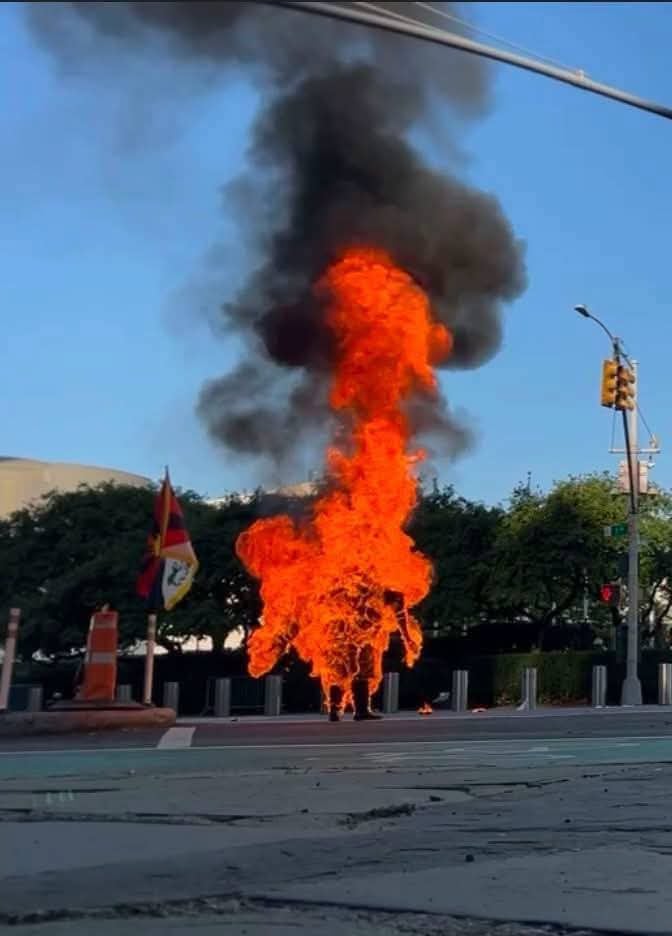
A Tibetan activist has died after setting himself on fire in front of the United Nations headquarters in New York City. The incident occurred shortly after a new ethnic unity law came into effect in China this week. This law aims to establish a "shared" national identity among the country's 55 ethnic minority groups. China has controlled Tibet since 1950. The self-immolation is a stark protest against the perceived suppression of Tibetan identity and culture under Chinese rule. Activists have long accused Beijing of eroding Tibetan traditions and autonomy. The UN headquarters in New York is a prominent global stage for such demonstrations. The timing of the protest, coinciding with the new law, highlights concerns about its potential impact on minority groups.
This tragic act of self-immolation, occurring outside a major international forum, underscores the profound desperation felt by some Tibetan activists regarding their cultural and political autonomy. The timing, coinciding with China's implementation of an ethnic unity law, suggests a deliberate attempt to draw global attention to perceived threats to minority identities. Such protests, while extreme, highlight the limitations of conventional political channels for addressing deep-seated grievances. Future policy considerations in Beijing might need to account for the potential for such drastic expressions of dissent when managing inter-ethnic relations, particularly in the context of increasing global scrutiny and the digital age's amplification of protest narratives.
AI-generated to prompt reflection — not editorial opinion, not advice, not a statement of fact. How this works.