Tibetan activist dies after self-immolation outside UN headquarters in New York
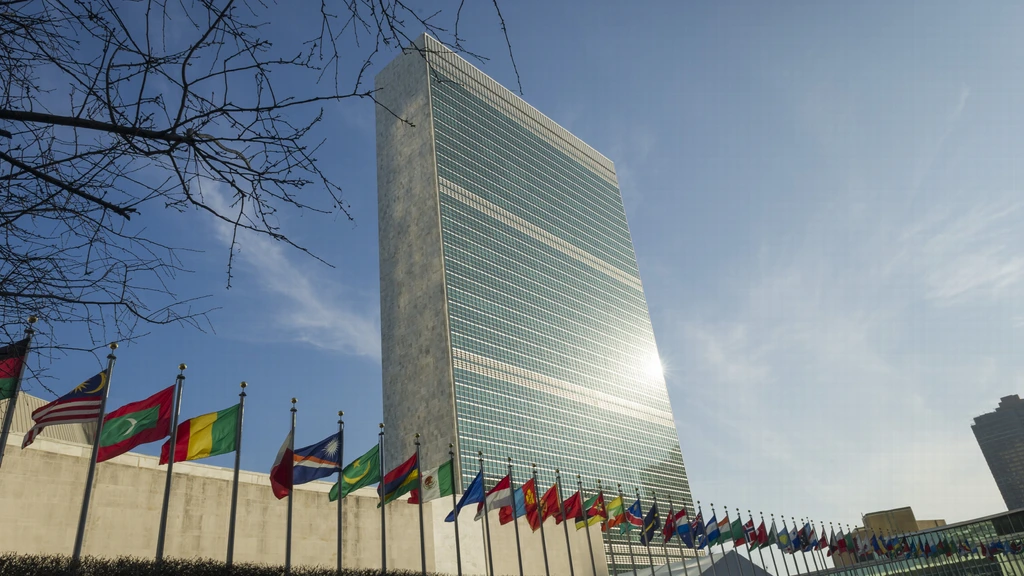
A Tibetan man, identified as activist Lobga Rangzen, died after setting himself on fire outside the United Nations headquarters in New York City. The incident occurred around 6:30 PM local time, when police discovered the severely burned man. He was transported to a hospital where he was later pronounced deceased. Rangzen, who had lived in the United States for twenty years and worked as an Uber driver, was reportedly protesting China's occupation of Tibet. Shortly before his act, he initiated a Facebook livestream calling for Tibetan independence and unity. Video footage shows Rangzen, dressed in monastic robes, walking towards the UN, placing a Tibetan flag beside him, and igniting himself. He remained standing for several seconds before falling to the ground, where a bystander extinguished the flames with a fire extinguisher. During the self-immolation, Rangzen scattered papers bearing slogans such as "China out of Tibet." A friend described Rangzen as someone who opposed Chinese rule in Tibet through peaceful protest. This act of self-immolation is part of a broader pattern of protest among Tibetans against Chinese governance, with over 150 individuals reportedly having self-immolated since 2009, some in exile.
This tragic event highlights the extreme measures individuals may resort to when political and human rights grievances persist over decades. The self-immolation, a potent form of protest, underscores the deep-seated frustration within the Tibetan diaspora regarding Chinese governance and the perceived suppression of their culture and autonomy. From a systemic perspective, such acts often emerge from a perceived lack of effective channels for dissent and advocacy, particularly when international bodies like the UN are the chosen venue. The recurrence of self-immolations since 2009 suggests a sustained and intensifying crisis, indicating that current diplomatic and political strategies may be insufficient to address the core issues. Looking ahead, the long-term implications involve the potential for increased international scrutiny on China's policies towards ethnic minorities, alongside the risk of further radicalization if avenues for peaceful resolution remain blocked.
AI-generated to prompt reflection — not editorial opinion, not advice, not a statement of fact. How this works.