Tick-borne disease causes 20% livestock losses in northern Argentina
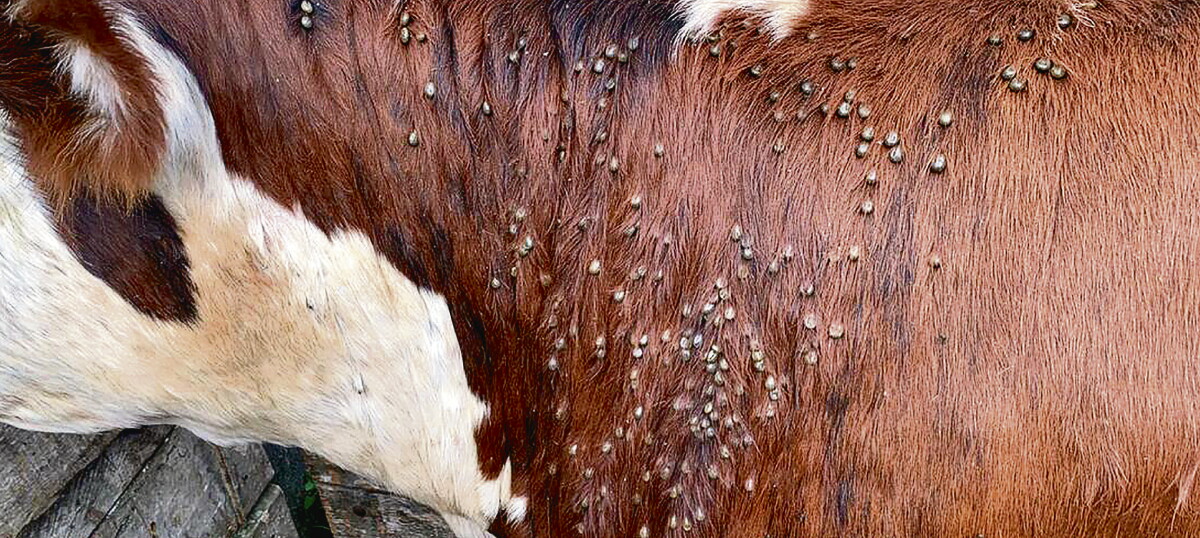
Argentine livestock producers are facing significant financial challenges as they close their 2025/26 fiscal year. While prices for both finished cattle and replacement stock remain high, and the exchange rate is stable, production costs are escalating. A primary driver of these increased costs is a severe health crisis in the northern regions, specifically widespread mortality due to parasitic diseases. These diseases are predominantly caused by ticks, leading to what is known as "tristeza parasitaria" or parasitic tristeza. The impact is substantial, with estimates indicating losses of up to 20% of the livestock herd in the affected areas. This situation is putting considerable strain on the profitability and sustainability of cattle ranching operations in northern Argentina.
The significant livestock losses attributed to tick-borne diseases in northern Argentina highlight a critical vulnerability in the region's agricultural sector. This event underscores the persistent challenge of balancing economic productivity with ecological and public health concerns. The economic model appears susceptible to external biological factors, suggesting a need for more resilient and proactive disease management strategies. Future investments in research and development for tick eradication and treatment, alongside improved biosecurity protocols, could mitigate such losses. Furthermore, exploring sustainable agricultural practices that minimize reliance on costly interventions and enhance herd immunity may prove essential for long-term stability in the face of evolving environmental and health landscapes.
AI-generated to prompt reflection — not editorial opinion, not advice, not a statement of fact. How this works.