Tick-borne Encephalitis Cases Rise in Saxony, Germany
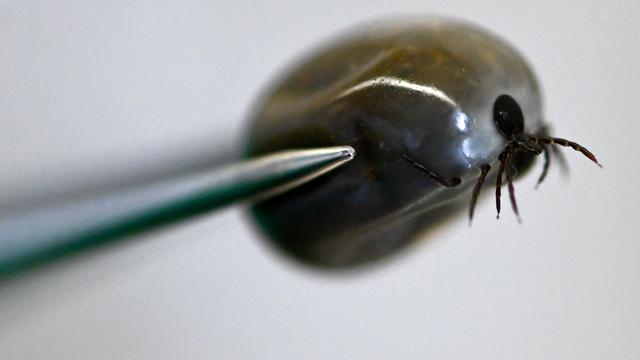
Medical professionals in Saxony, Germany, have reported an increase in cases of Tick-borne Encephalitis (TBE), also known as Frühsommer-Meningoenzephalitis (FSME). This neurological disease is transmitted to humans through the bite of infected ticks. The rise in cases highlights the ongoing risk posed by ticks, particularly in endemic areas. TBE can cause severe inflammation of the brain and spinal cord, leading to serious long-term health consequences or even death in some instances. Public health officials are likely to emphasize the importance of preventative measures against tick bites. These measures typically include wearing protective clothing when in tick-prone areas, using insect repellent, and checking for ticks after spending time outdoors. Vaccination against TBE is also available and recommended for individuals living in or traveling to high-risk regions. The increase in reported cases serves as a reminder for both the public and healthcare providers to remain vigilant about TBE prevention and early detection.
The reported increase in Tick-borne Encephalitis (TBE) cases in Saxony underscores the persistent public health challenge posed by vector-borne diseases. This trend may reflect a combination of factors, including environmental changes that favor tick populations, increased human outdoor activity, and potentially greater awareness or diagnostic capacity among medical professionals. From a public health perspective, the situation necessitates a review of current prevention strategies, such as vaccination campaigns and public education on tick avoidance. Analyzing the long-term trends in TBE incidence could reveal broader ecological shifts and inform adaptive public health policies for the coming decade, especially as climate change may alter the geographic range and seasonality of tick-borne illnesses.
AI-generated to prompt reflection — not editorial opinion, not advice, not a statement of fact. How this works.