Tick-borne illness claims 4 lives in São Paulo, including 3 children, prompting health alerts
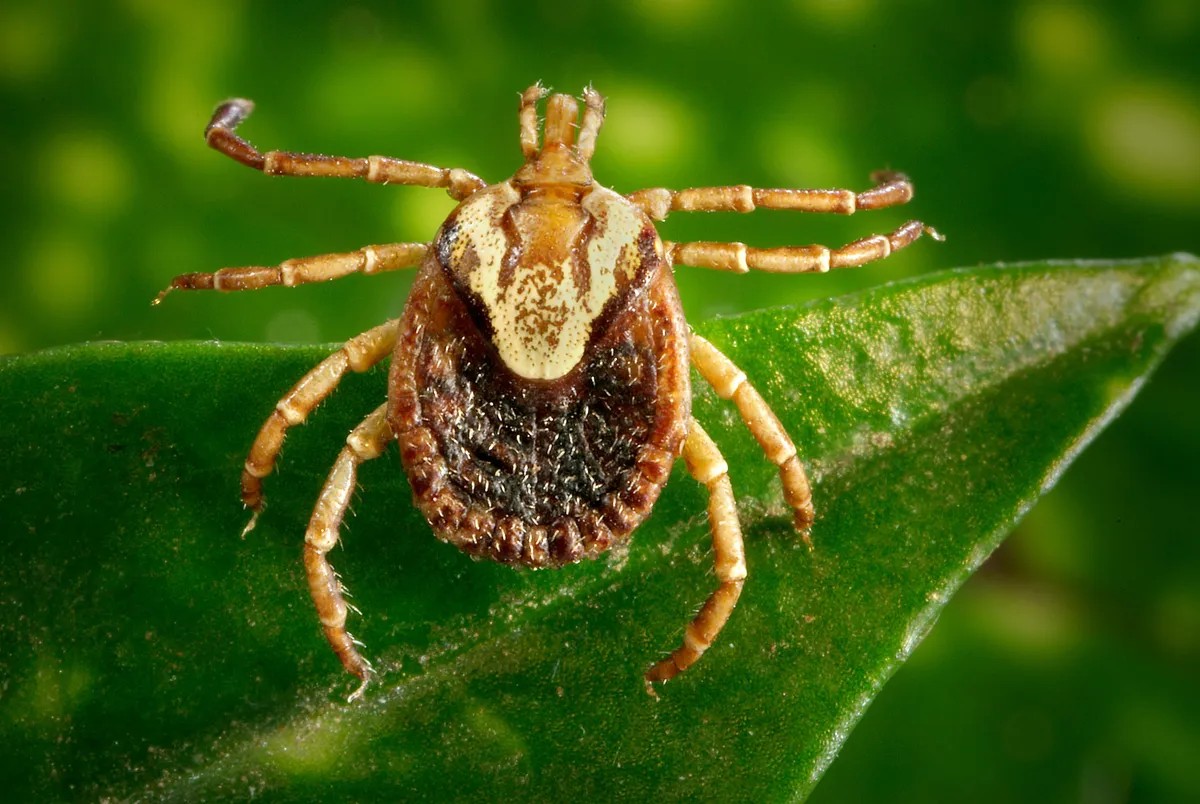
Four individuals have died from spotted fever in the interior of São Paulo state within the last seven months, with three of the victims being children. The affected cities include Araras, Leme, and Pirassununga. In Araras, a 9-year-old girl and an 8-year-old boy died in January, while a 9-year-old girl from Leme passed away in June. An 83-year-old man from Pirassununga also succumbed to the disease in May. The municipality of Araras is actively investigating 25 suspected cases and has initiated special training for healthcare professionals and local hospitals to expedite the identification of the disease during initial patient consultations. Spotted fever is a severe infectious disease caused by a bacterium transmitted through the bite of infected ticks, which can be carried by animals such as dogs, horses, and capybaras. There is no vaccine for this illness, and diagnosis can be challenging due to initial symptoms like high fever, body aches, abdominal pain, and red spots mimicking common illnesses such as dengue. Early antibiotic treatment, especially within the first week of symptoms, is crucial for recovery, but delayed diagnosis can be fatal. Araras has identified high-risk areas, including parks and areas frequented by capybaras, and has posted warning signs. Prevention measures include wearing light-colored clothing to easily spot ticks and thoroughly examining oneself and pets after visiting risk areas. Individuals experiencing fever and body aches within two days of visiting such locations are urged to seek immediate medical attention and inform their doctor about their potential exposure.
The recent cluster of spotted fever deaths, particularly among children in São Paulo, highlights critical public health challenges in disease surveillance and early diagnosis. The rapid progression of the illness, coupled with symptom overlap with more common diseases like dengue, creates a diagnostic bottleneck that can have fatal consequences. This situation underscores the need for enhanced public awareness campaigns targeting at-risk populations and improved diagnostic protocols for healthcare providers in endemic areas. From a systemic perspective, the interplay between environmental factors, animal populations (like capybaras acting as tick reservoirs), and human activity in shared natural spaces necessitates integrated management strategies. Future public health initiatives should consider leveraging AI for predictive modeling of tick-borne disease outbreaks based on environmental and epidemiological data, and potentially for aiding in differential diagnosis to reduce treatment delays.
AI-generated to prompt reflection — not editorial opinion, not advice, not a statement of fact. How this works.