Ticks now kill more sheep than predators due to climate change
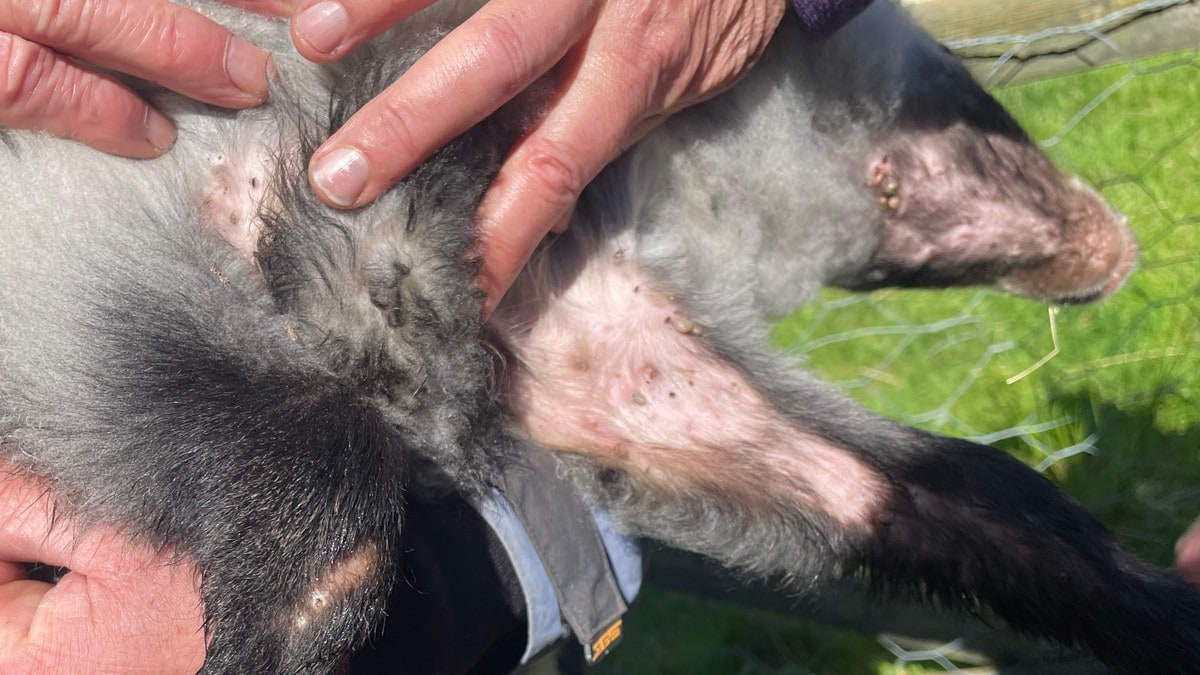
Climate change is causing ticks to become active earlier in the spring and spread to new regions across Norway. This has led to the small blood-sucking parasites becoming a greater threat to sheep grazing in pastures than predators like eagles. The extended tick season and wider geographical range pose a significant challenge to livestock farming, impacting animal health and potentially farm economics. Farmers are facing new risks that were previously less concerning than predation. This shift highlights the broader ecological consequences of a warming climate on agricultural practices and wildlife interactions.
The increasing impact of ticks on livestock, surpassing predation threats, illustrates a direct consequence of climate change on ecological dynamics. Warmer temperatures are altering the life cycles and distribution of parasites, creating new challenges for animal husbandry. This phenomenon underscores the need for adaptive strategies in agriculture, potentially involving enhanced veterinary care, altered grazing patterns, or the development of more resilient livestock breeds. Future agricultural systems will likely need to integrate climate modeling and ecological monitoring to proactively manage such evolving environmental risks, ensuring food security and animal welfare in a changing world.
AI-generated to prompt reflection — not editorial opinion, not advice, not a statement of fact. How this works.