Tietê River Documentary Wins London Festival Award
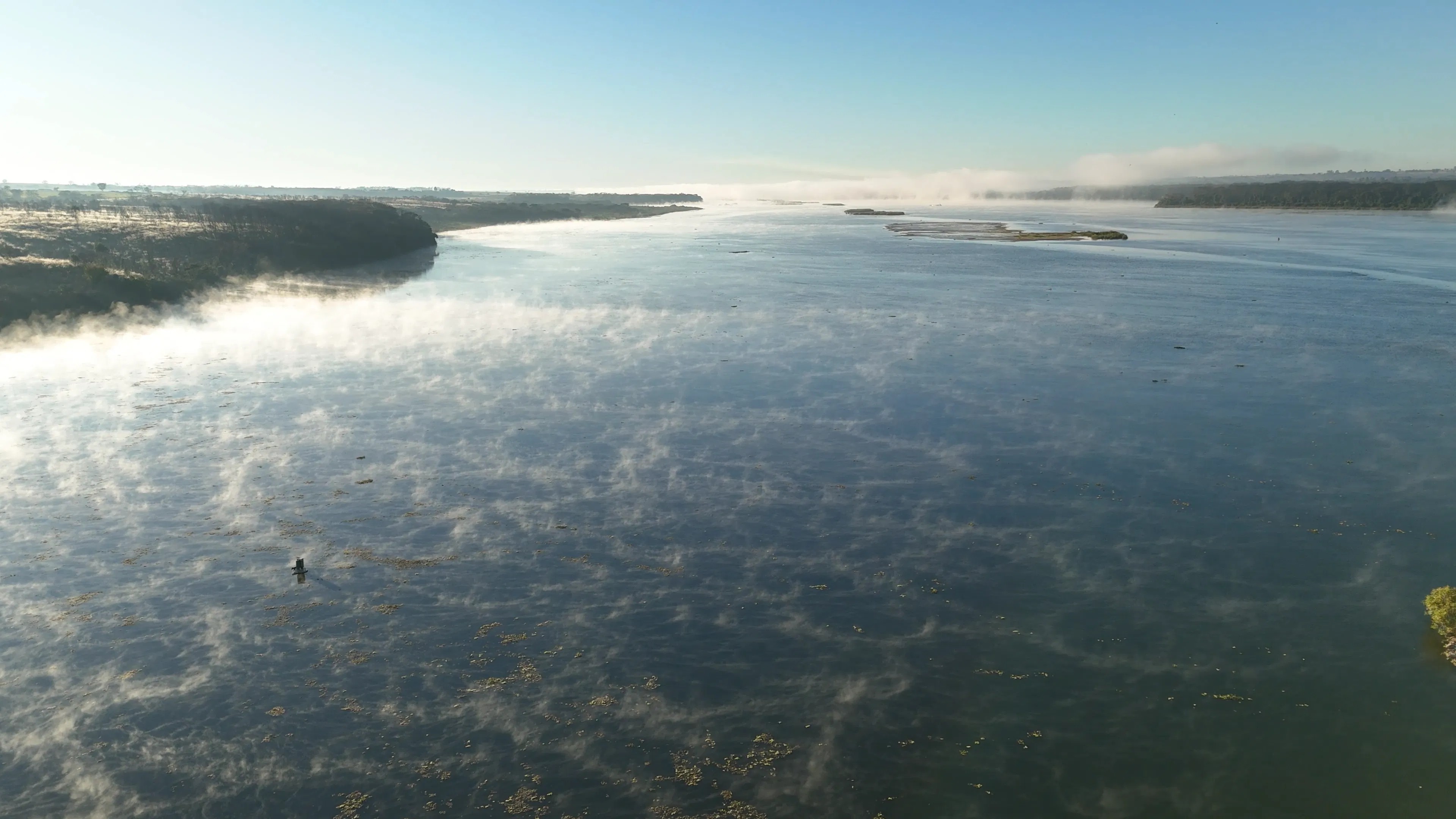
The documentary "Y Anhembi," directed by Vicentini Gomez, has received an award at a film festival in London. The mid-length film explores the ancestral relationship between indigenous peoples and the Tietê River, highlighting its historical, cultural, spiritual, and environmental significance. Gomez, originally from Presidente Prudente, São Paulo, expressed his joy and gratitude for being recognized as Best Director by the London Cine Awards. He emphasized that the award acknowledges the collective effort of the team and the power of a Brazilian story rooted in its origins.
The documentary traces the Tietê River from its source in the Serra do Mar to its mouth in the Paraná River, spanning the state of São Paulo. It incorporates aerial and terrestrial footage, alongside testimonies from researchers and scenes featuring indigenous actors portraying ancestral figures. The film aims to encourage reflection on the river's preservation, noting its transformation from a sacred entity to a polluted waterway. "Y Anhembi" seeks to restore a respectful perspective towards the river, viewing it as a source of life and a familial connection.
This international recognition is a significant milestone for Gomez, who has harbored the idea for the documentary since the 1990s. He hopes the award will increase the film's distribution and re-center discussions about the Tietê River's role in culture, identity, and environmental preservation for future generations. The film's production involved a diverse team, including historians, an anthropologist, and an environmentalist, offering a comprehensive view of the river's impact on regional development and contemporary environmental challenges. A trailer is available online, though a Brazilian screening date is yet to be announced.
This documentary's award highlights the growing international interest in environmental narratives and indigenous perspectives. The Tietê River's journey from a sacred natural resource to a symbol of urban pollution presents a microcosm of global environmental challenges. By framing the river through the lens of ancestral respect and familial connection, the film offers a counterpoint to purely utilitarian or exploitative relationships with nature. This approach challenges conventional development paradigms, suggesting that a deeper cultural and spiritual understanding of natural resources is crucial for sustainable coexistence in an era of climate change and resource scarcity. The film's success underscores the potential for storytelling to foster ecological awareness and advocate for policy shifts towards environmental stewardship.
AI-generated to prompt reflection — not editorial opinion, not advice, not a statement of fact. How this works.