Tilburg Power Outage Caused by Faulty Enexis Equipment, Not Overload
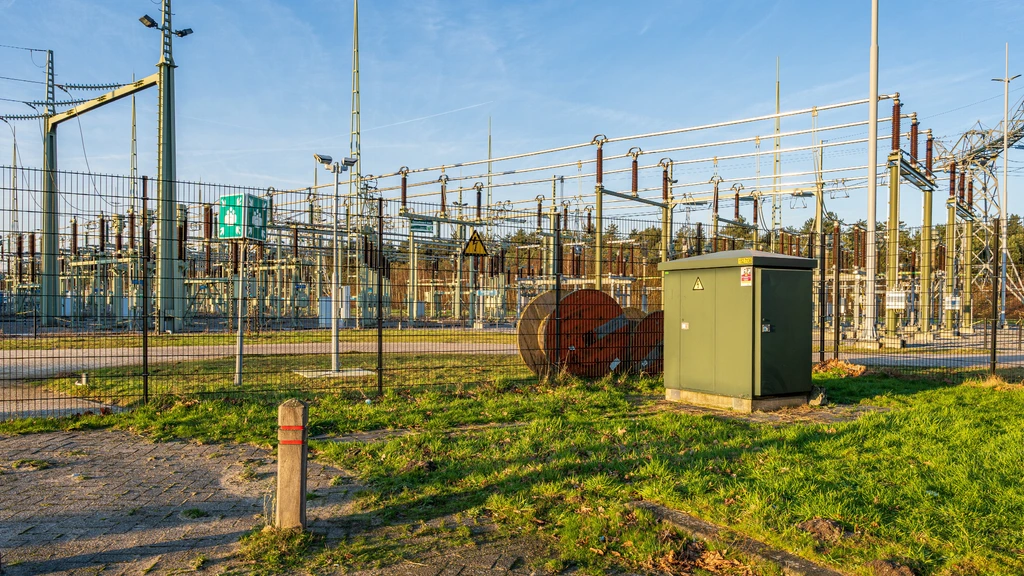
A partial power outage in Tilburg on Sunday, which affected 18,000 Enexis customers, was not caused by a sudden surge in electricity demand but by a malfunction in the energy provider's own equipment. Enexis has concluded that a piece of measuring apparatus had reverted to its factory settings after recent maintenance. This error made it appear as though the equipment was handling five times more electricity than was actually flowing through it.
Operators at Enexis's operational control center observed this apparent surge on their screens, leading them to believe a critical overload was imminent. Fearing damage to the network, which could have resulted in components becoming "glowing hot" and requiring extensive repairs, they made the decision to immediately shut off power to a section of the grid. This swift action, while necessary given the information at hand, resulted in traffic lights failing, people being trapped in elevators, and widespread disruption for residents.
Fortunately, the power was restored within forty minutes. The incident occurred on a Sunday, minimizing the impact on businesses. Enexis is now investigating why the measuring equipment reset to factory defaults and is implementing stricter procedures to prevent such an error from recurring, acknowledging that the shutdown was unnecessary with the benefit of hindsight but appropriate based on the real-time data available at the moment of the incident.
The incident highlights the critical dependency on the accuracy and reliability of monitoring systems within essential infrastructure. While Enexis's response was a prudent, albeit ultimately unnecessary, safety measure given the perceived threat, it underscores the systemic risk introduced by equipment failure and the potential for cascading disruptions. Future resilience will require robust self-diagnostic capabilities in monitoring hardware and sophisticated anomaly detection algorithms that can differentiate between genuine overloads and sensor malfunctions, thereby optimizing response protocols and minimizing public inconvenience. This event prompts consideration of how advanced AI could provide real-time validation of sensor data, thereby preventing such costly and disruptive false alarms.
AI-generated to prompt reflection — not editorial opinion, not advice, not a statement of fact. How this works.