Timon Bus Terminal Must Comply with Accessibility Standards, Court Rules
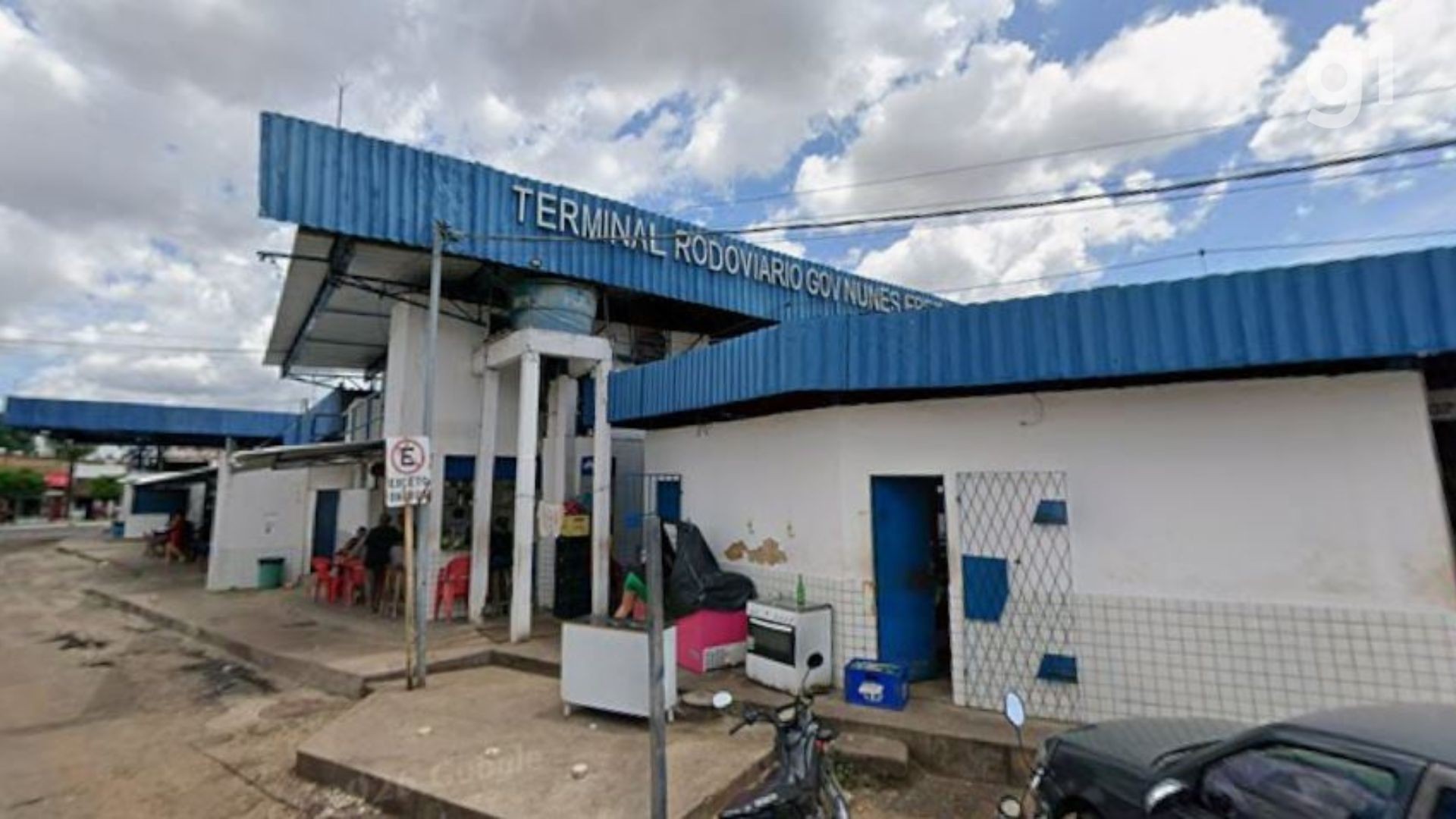
A court has ordered the Municipality of Timon, in Maranhão, Brazil, to implement accessibility upgrades at the Governador Nunes Freire Bus Terminal. The decision, issued on July 7 by Judge Weliton Sousa Carvalho, stems from a lawsuit filed by the Public Prosecutor's Office of Maranhão (MPMA). The MPMA initiated the action due to the municipality's partial non-compliance with a 2019 Conduct Adjustment Agreement (TAC). Specifically, accessible restrooms were being used as storage areas, violating accessibility norms. The court mandated the immediate cleaning and vacating of these accessible restrooms within five days, imposing a daily fine of R$1,000 on the responsible public official if not met. Additionally, the municipality has 60 days to complete necessary engineering works, including installing and adjusting support bars in restrooms, renovating and leveling the boarding and disembarking areas, and marking reserved parking spaces for the elderly and disabled. Failure to complete these structural improvements within the timeframe will result in a daily fine of R$5,000, capped at R$200,000. The court also recognized accrued fines for delays since December 6, 2023, with the total amount to be calculated and directed to the Maranhão State Fund for the Protection of Diffuse Rights. The MPMA's 2023 lawsuit aimed to ensure the accessibility rights of the elderly and disabled, noting that Timon had failed to fully comply with the 2019 agreement for over three years. A 2025 expert report commissioned by the court confirmed the terminal's non-compliance.
This judicial intervention highlights a systemic failure in municipal governance to uphold mandated accessibility standards, even after a prior agreement. The repeated non-compliance, extending over several years and necessitating a court order with escalating penalties, suggests potential issues with resource allocation, enforcement mechanisms, or administrative priorities within the Timon municipality. The case underscores the critical role of public prosecutors in ensuring legal adherence and the judiciary in enforcing fundamental rights. Looking ahead, such recurring non-compliance points to a broader challenge in ensuring infrastructure development aligns with evolving societal expectations for inclusivity, particularly as demographic shifts and technological advancements in accessibility continue to emerge.
AI-generated to prompt reflection — not editorial opinion, not advice, not a statement of fact. How this works.