Tio Anísio, Beloved Ifes Popcorn Vendor for Over 50 Years, Dies at 91
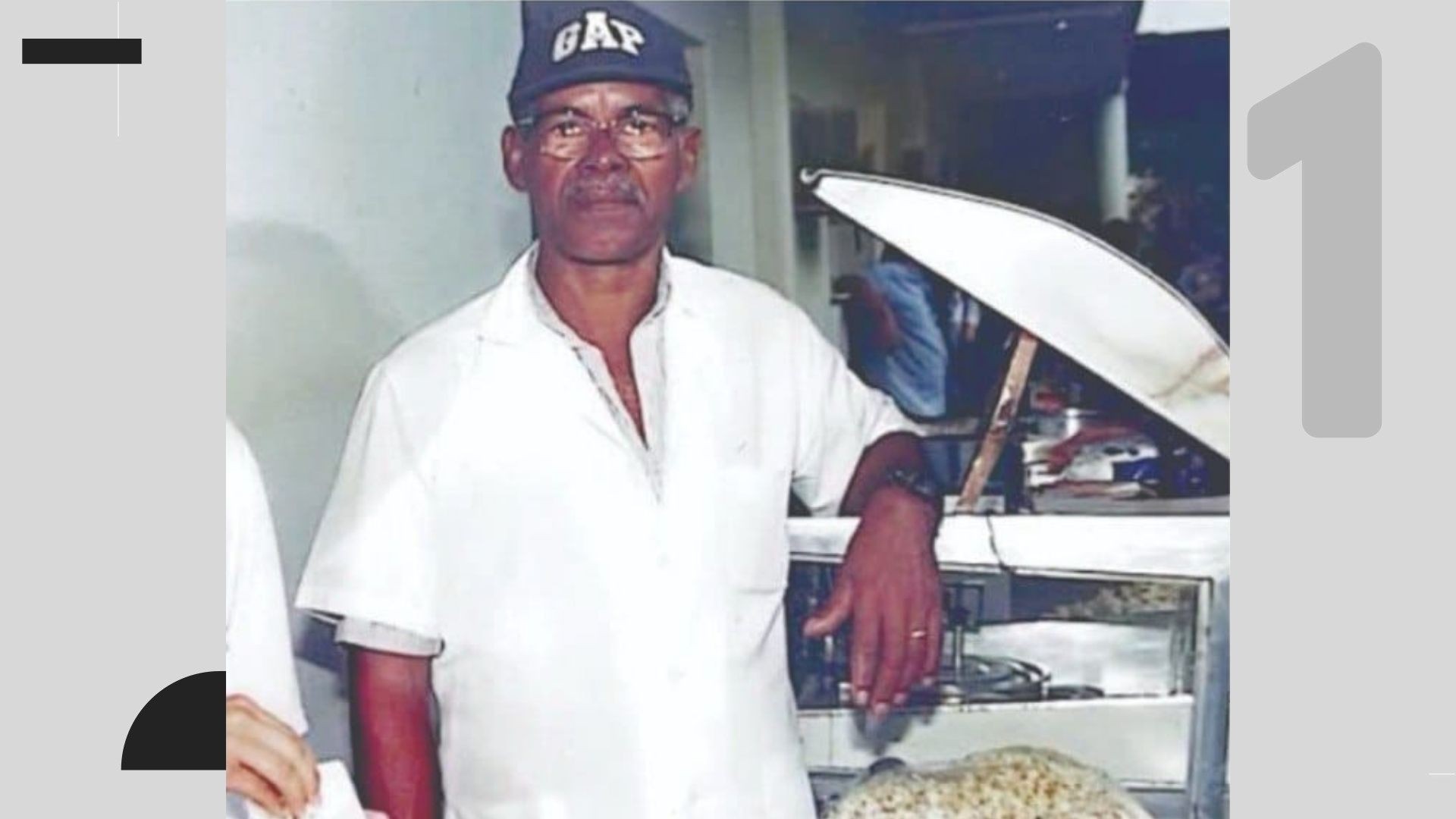
Anísio Motta, affectionately known as Tio Anísio, a popcorn vendor who became an enduring symbol of the Federal Institute of Espírito Santo (Ifes), has passed away at the age of 91. He died on Friday, November 24th. Tio Anísio began his work at the former Escola Técnica de Vitória in 1973, dedicating over five decades to serving students. Throughout his tenure, he witnessed the institution's transformations and built strong connections with generations of students through his charisma and friendly demeanor. He was a familiar sight, always with his traditional green popcorn cart in the school's corridors. Although not an official employee, Ifes recognized him as an integral part of its academic community, stating his presence since 1973 made him a true symbol. His life and impact were documented in the 2009 Ifes book, "A trajetória de 100 anos dos eternos titãs: da Escola de Aprendizes Artífices ao Instituto Federal," which described him as one of the school's most popular figures. Born in Castelo on October 10, 1934, Tio Anísio was known for his popcorn, his advice, and his ability to forge friendships. Many former students would return to the campus years later to reconnect with him. In 2017, Ifes honored him by naming the Cineclube Tio Anísio after him, and he received another tribute from former students last September. In recent years, due to declining health, he stopped selling popcorn, but his iconic cart remained on campus as a reminder of his legacy. His wake will be held on Saturday, November 25th, at the Cemitério Parque da Paz in Vila Velha.
The passing of Tio Anísio highlights the profound impact individuals can have on institutional culture, even outside formal employment structures. His decades-long presence at Ifes demonstrates how consistent, positive human interaction can transform a vendor into a beloved community figure and symbol. This phenomenon underscores the importance of informal social capital within educational institutions, suggesting that such relationships can foster a sense of belonging and loyalty that formal policies may not fully replicate. Looking ahead, institutions might consider how to better recognize and integrate these informal contributors to enrich the overall student experience and strengthen community ties, thereby creating more resilient and supportive academic environments.
AI-generated to prompt reflection — not editorial opinion, not advice, not a statement of fact. How this works.