TMC Leader Abhishek Banerjee Offers Resignation to Rebel MLAs to Return
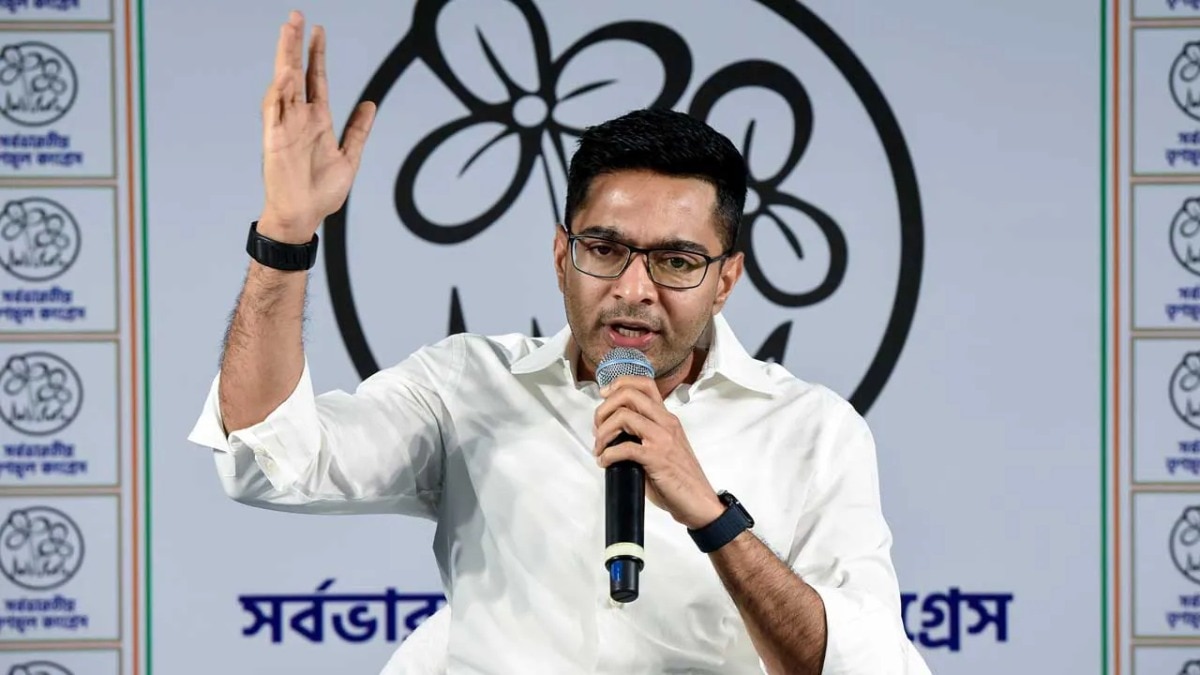
Amidst an ongoing political crisis within the Trinamool Congress (TMC), Abhishek Banerjee has issued a direct challenge to the party's rebel leaders. Banerjee stated that he would resign from his position within one hour if the dissenting MLAs agree to return to the party fold under the leadership of Mamata Banerjee. This offer comes as Banerjee accused the rebel faction of colluding with the Bharatiya Janata Party (BJP). The political maneuvering highlights significant internal divisions within the TMC, with Banerjee attempting to consolidate power and address the dissent by offering a drastic personal sacrifice. The situation underscores the high stakes involved in the party's internal power dynamics and the broader political landscape in West Bengal.
The offer of resignation by Abhishek Banerjee to rebel TMC MLAs presents a strategic gambit aimed at resolving internal party conflict and potentially preempting further defections. By framing the issue around Mamata Banerjee's leadership and accusing dissenters of aligning with a political rival, Banerjee is attempting to rally loyalists and pressure opponents. This situation reflects common challenges in large political parties where maintaining unity requires navigating factional interests and external political pressures. The effectiveness of Banerjee's offer will likely depend on the specific grievances of the rebel MLAs and their perceived leverage within the party and with external actors. Future party governance may need to incorporate more robust mechanisms for internal dialogue and conflict resolution to mitigate such crises.
AI-generated to prompt reflection — not editorial opinion, not advice, not a statement of fact. How this works.