Toba Aquarium's Giant Isopod Exhibit Closed After Last Specimen Dies
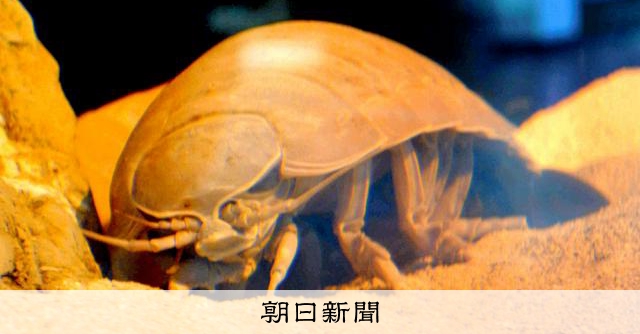
Toba Aquarium in Japan has announced the closure of its popular giant isopod exhibit following the death of its last remaining specimen. The deep-sea creature, a significant draw for visitors, was a beloved attraction at the aquarium. The passing of the final individual marks the end of an era for the exhibit, which had garnered considerable attention and affection from the public. Further details regarding the cause of death or future plans for the exhibit have not yet been released by the aquarium. The giant isopod, known for its imposing size and unique appearance, is native to the deep waters of the Pacific Ocean. These crustaceans are characterized by their large, segmented bodies and are often found in cold, dark environments. Their lifespan in captivity can vary, and their care requires specialized conditions to mimic their natural habitat. The aquarium's decision to close the exhibit underscores the challenges of maintaining these specialized deep-sea species outside their native environment. The loss of the last specimen raises questions about the sustainability of such exhibits and the broader implications for conservation and public education regarding deep-sea biodiversity. Toba Aquarium is expected to provide more information in the coming days.
The closure of Toba Aquarium's giant isopod exhibit, following the death of its final specimen, highlights the inherent challenges in displaying and maintaining deep-sea species. Such exhibits, while popular for public engagement and education, often face significant hurdles related to the specialized environmental requirements of these creatures, including extreme pressure, low temperatures, and unique dietary needs. The economic viability and ethical considerations of extracting and exhibiting animals from fragile deep-sea ecosystems warrant ongoing scrutiny. As technology advances, future approaches may shift towards more immersive virtual experiences or in-situ conservation efforts, reducing the reliance on live specimen displays and mitigating potential impacts on vulnerable populations. This event prompts reflection on the balance between public fascination with exotic species and the imperative of preserving biodiversity in its natural habitat.
AI-generated to prompt reflection — not editorial opinion, not advice, not a statement of fact. How this works.