Tobacco Companies Threatened Government with Multimillion-Euro Lawsuits Over Plain Packaging
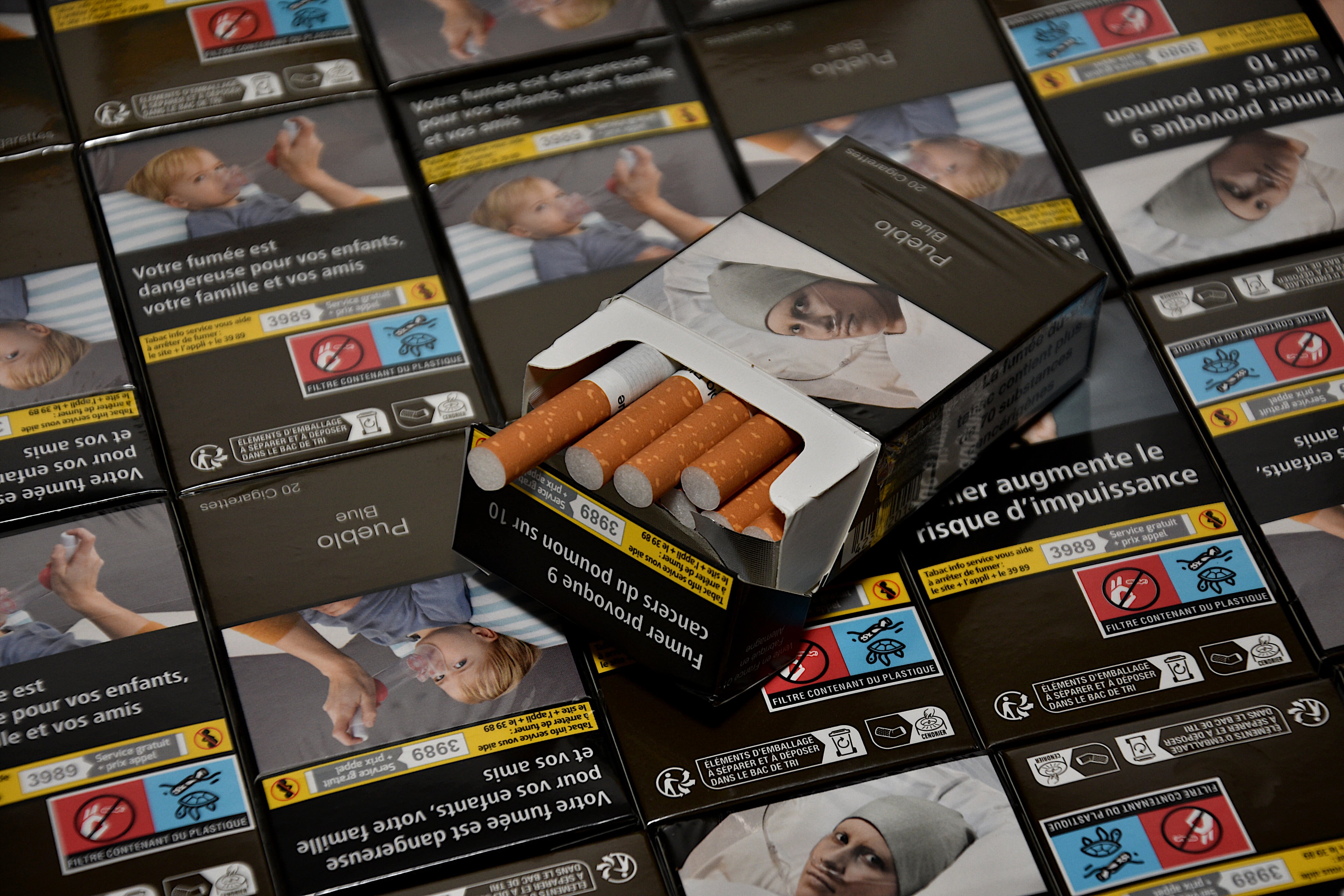
Spanish health authorities have twice withdrawn proposed legislation for plain tobacco packaging since 2024, following legal threats from the tobacco industry. The industry has warned the government that it would seek multi-billion euro compensation if the plain packaging measures were approved. This approach mirrors past actions by tobacco companies in other countries. Specifically, the sector unsuccessfully demanded compensation amounting to billions of euros from the United Kingdom and Australia in similar legal battles. The Spanish Ministry of Health has faced significant pressure, leading to the postponement of the plain packaging initiative on two separate occasions. The tobacco industry's legal strategy appears to involve leveraging potential financial penalties to deter governments from implementing public health regulations that could impact their profits. The repeated withdrawal of the measure suggests the government is weighing the significant financial risks posed by these potential lawsuits against the public health benefits of plain packaging.
The tobacco industry's legal challenges to plain packaging regulations highlight a recurring conflict between public health initiatives and corporate interests. By threatening substantial financial claims, these companies leverage international investment treaties and domestic legal frameworks to potentially deter or delay policies aimed at reducing smoking rates. This strategy underscores the significant financial power of multinational corporations and their capacity to influence public policy through the threat of litigation. The government's decision to withdraw the measure twice indicates a cautious approach, likely influenced by the potential economic repercussions. Future policy development in this area will need to carefully consider robust legal defenses and potentially explore alternative regulatory pathways that are less susceptible to such financial challenges, while still prioritizing public health outcomes in the long term.
AI-generated to prompt reflection — not editorial opinion, not advice, not a statement of fact. How this works.
