Tobacco's DNA Signature Found in Multiple Cancers, Including Non-Exposed Tissues
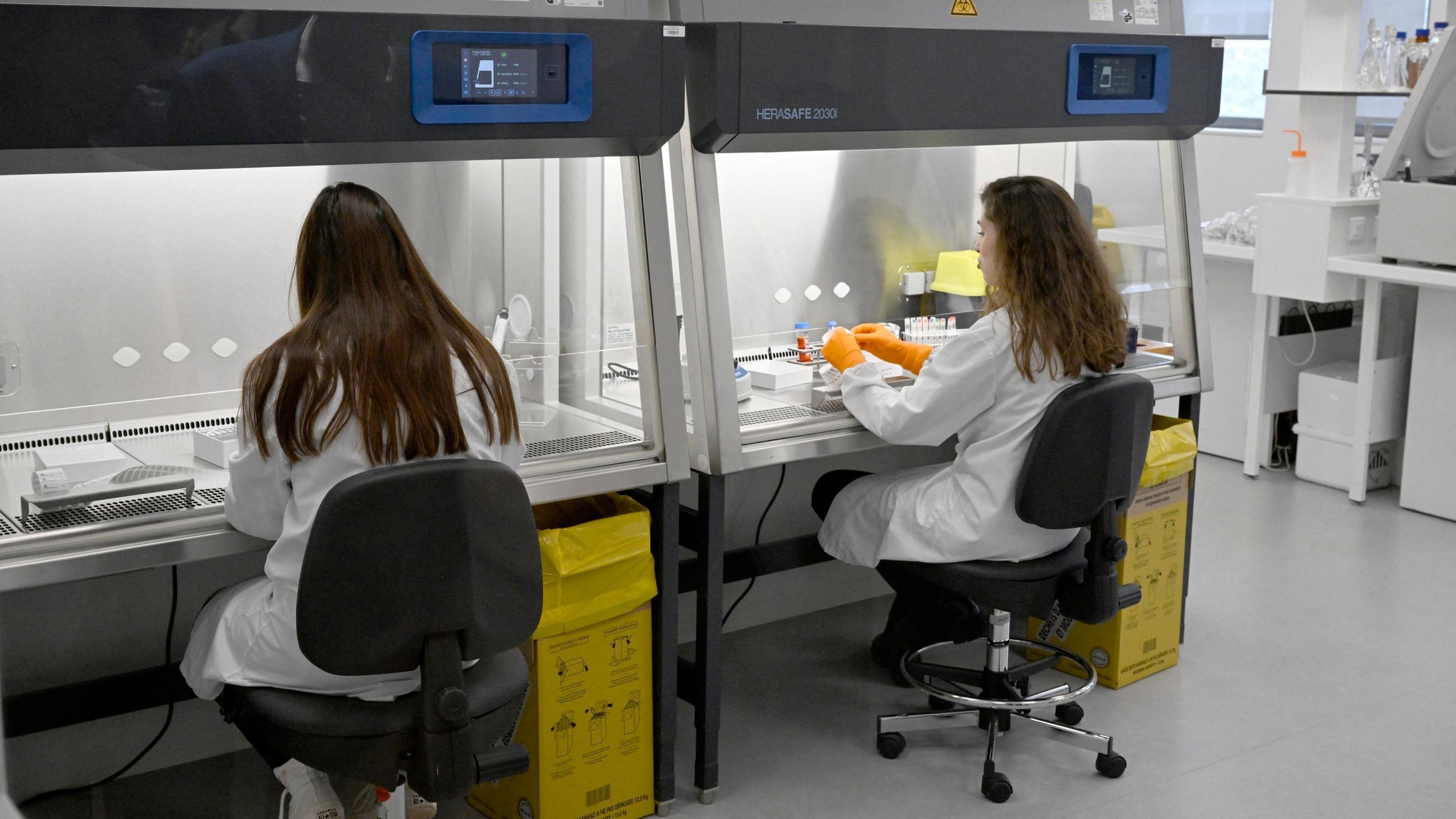
Scientists have identified a distinct signature of tobacco carcinogens within the DNA of various cancers. These characteristic mutations, left by harmful substances in tobacco smoke, are present in a wide range of tumors. Notably, this genetic mark has been detected even in tissues that are not directly exposed to smoke inhalation. This discovery sheds new light on how tobacco use can contribute to cancer development across the body. The findings suggest a systemic impact of tobacco carcinogens that extends beyond immediate contact sites. Further research is expected to explore the implications of this widespread DNA damage. Understanding this signature could lead to improved cancer detection and prevention strategies.
This research highlights a significant systemic impact of tobacco carcinogens, revealing their ability to induce DNA mutations in tissues not directly exposed to smoke. This challenges previous understandings of localized exposure and suggests a broader biological mechanism at play. The identification of a specific tobacco DNA signature could enhance diagnostic capabilities and inform public health interventions by quantifying the long-term cellular damage caused by smoking. Future investigations may focus on the pharmacokinetic pathways enabling these carcinogens to affect distant tissues, potentially revealing new therapeutic targets or preventative measures against tobacco-related cancers.
AI-generated to prompt reflection — not editorial opinion, not advice, not a statement of fact. How this works.